
THE COLLECTION
Dry Herb Vaporisers
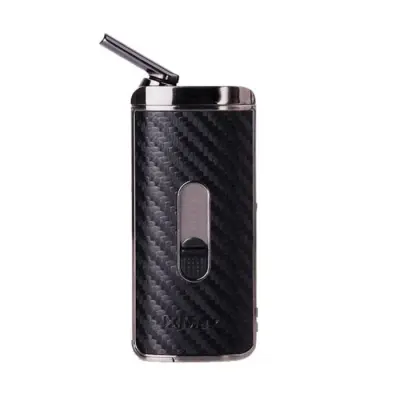
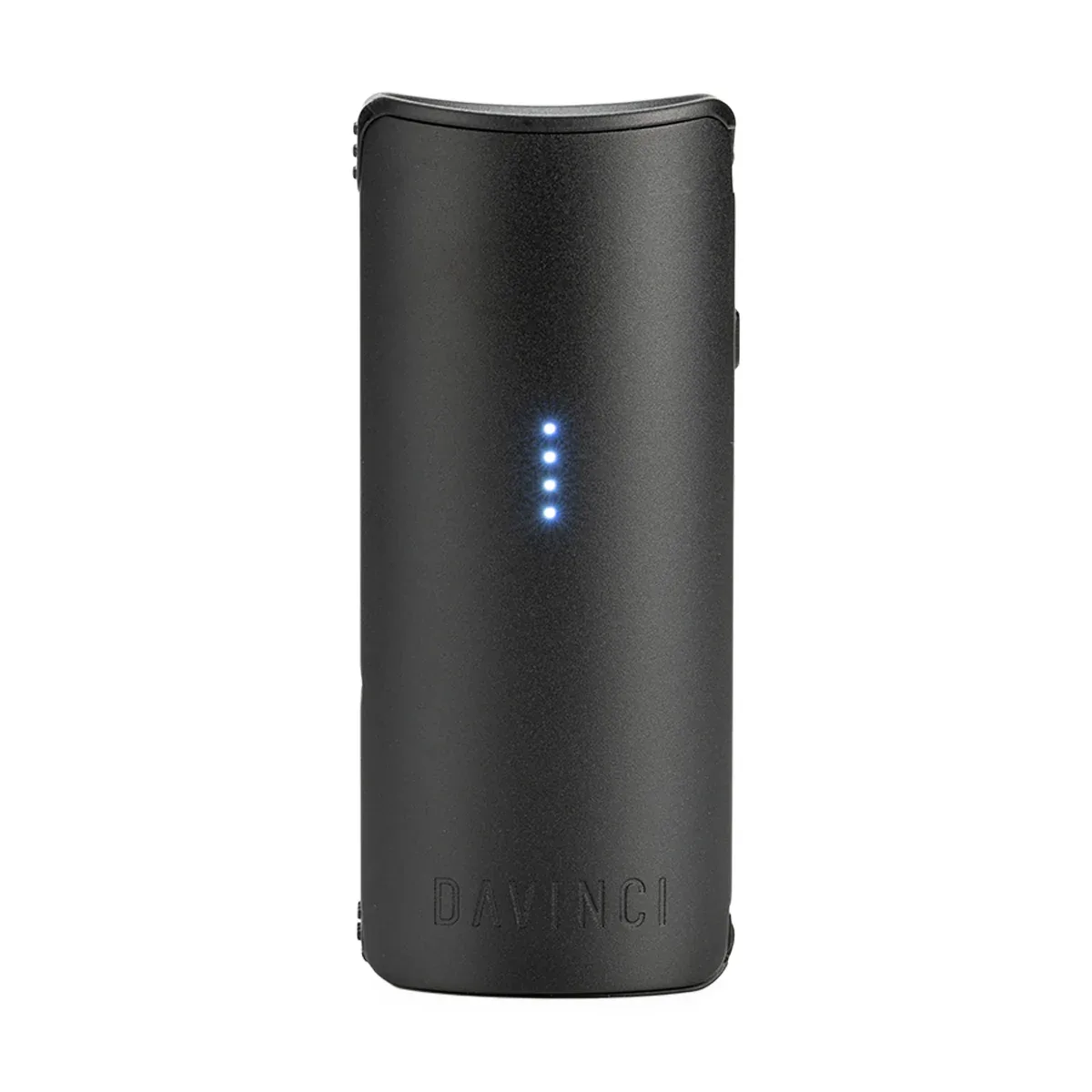
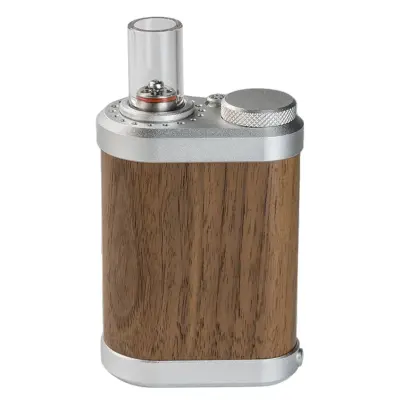
Dry herb vaporisers are devices designed to heat prepared botanical material within a chamber rather than burn it directly. Their construction varies considerably: some use heated chamber walls, others heat incoming air, and many combine both approaches. Understanding these differences is useful when reading product specifications, checking accessories or reviewing a device’s intended purpose.
The term dry herb vaporiser describes a device format, not a regulatory classification or a guarantee of suitability for a particular substance. In Australia, the applicable rules depend on the device’s intended use, its components and the relevant supply arrangements.
Filter products
Sale!
Sale!

Sale!
Sale!
Sale!
Sale!
Sale!

Sale!
Sale!
Sale!
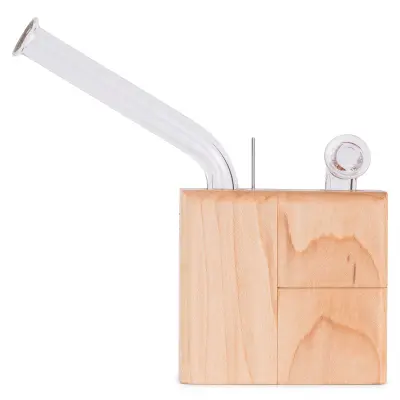
Sale!
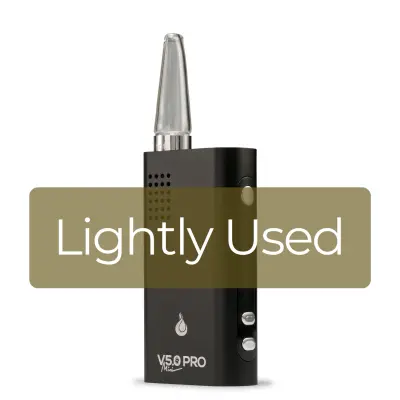
Sale!
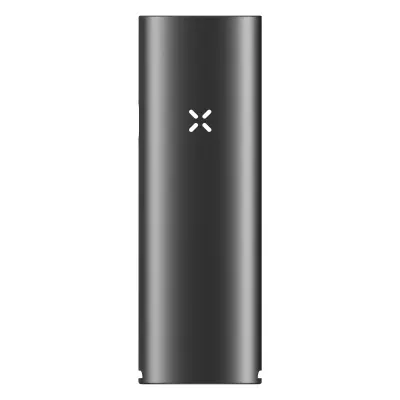
Sale!
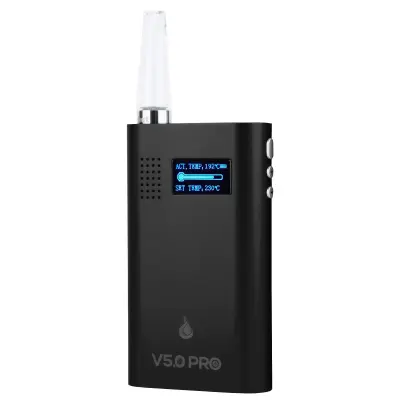
Sale!
Understanding dry herb vaporiser designs
A typical device contains a heating system, a chamber for material, an airflow path and some method of controlling power or temperature. Portable devices often include rechargeable batteries and compact electronics. Desktop devices generally have larger housings and may rely on mains power.
| Component | What it does | What to check in the documentation |
|---|---|---|
| Heating chamber | Holds material near the heat source | Chamber material, capacity description and cleaning instructions |
| Heater | Transfers thermal energy | Stated heating method and temperature control mechanism |
| Airflow path | Connects chamber and mouthpiece or outlet | Removable sections, materials and maintenance guidance |
| Screens and seals | Help retain material and manage airflow | Exact size, part number and replacement compatibility |
| Power system | Supplies energy to the heater | Battery specification or mains input and safety instructions |
Conduction, convection and hybrid heating
Conduction transfers heat through contact with a warm surface, particularly the chamber wall. The temperature of the wall and the contact between material and chamber both affect heat transfer.
Convection uses moving heated air as an important source of energy. Airflow, heater design and the geometry of the chamber can affect how evenly heat is transferred.
Hybrid designs use both mechanisms. The categories describe engineering principles rather than an independent measure of quality or medical performance. Two products labelled “convection” can still have very different sensors, airflow arrangements and control systems.
For a deeper explanation, see the Technology & Engineering knowledge hub.
Portable and desktop formats
Dry herb heating systems appear in different physical formats. A compact enclosure may combine the heater, battery and controls into one handheld body. A larger enclosure may have a separate power supply and a longer or more complex air path.
| Design question | Portable format | Desktop format |
|---|---|---|
| Power source | Commonly rechargeable battery | Often mains supply |
| Device size | Usually compact | Typically larger |
| Controls | Buttons, indicators or small display | Can include larger controls or external components |
| Maintenance | Compact and sometimes tightly integrated | May have more detachable components |
These are typical design patterns, not rules. Read the specification for the exact model rather than inferring features from the category name. Explore portable vaporisers and desktop vaporisers for the differences between the two formats.
Materials, construction and temperature information
Heating-chamber materials may include stainless steel, ceramic or other manufacturer-specified materials. These materials have different thermal properties, but their presence alone does not establish safety, performance or suitability for medical use. The complete product design and its intended purpose matter.
A displayed temperature is also not necessarily a direct measurement of the material inside the chamber. Depending on the device, the value may be a target setting, a heater sensor measurement or an estimated operating temperature. Heating time, thermal stability and chamber conditions can vary.
Look for documentation that distinguishes an adjustable setpoint from a measured temperature and explains the sensor location, if disclosed. For devices with a battery, also check the manufacturer’s charging guidance and any published restrictions on charging equipment.
Components and compatibility
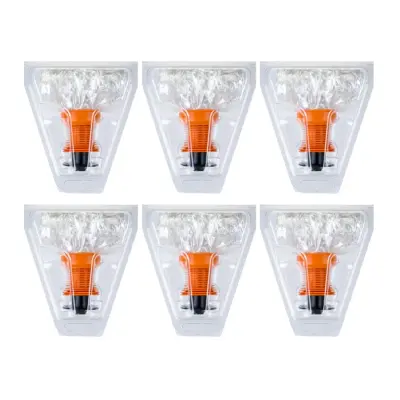
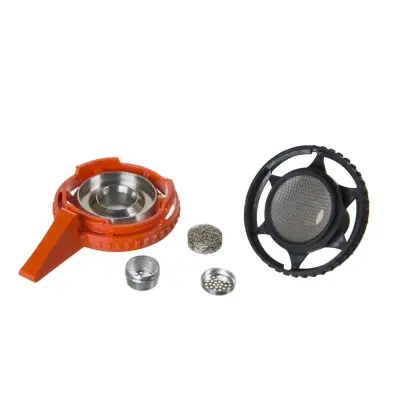
Some dry herb devices use removable mouthpieces, screens, gaskets, cooling units or chamber accessories. Names alone are not sufficient to confirm that a replacement fits. Compatibility may depend on model generation, part number, dimensions and manufacturer instructions.
See the information on vaporiser accessories and replacement parts for the differences between additional components and model-specific replacements.
Care and documentation
Manufacturers may specify cleaning frequencies, approved cleaning materials, drying requirements and procedures for replacing wear components. Follow the model’s instructions for use. In particular, do not assume that solvents suitable for a removable metal or glass piece can also be used on seals, electronics or coatings.
If a battery is swollen, visibly damaged, unusually hot or emitting an unexpected odour, stop using the device and follow appropriate battery-safety guidance. Do not open a sealed battery pack or attempt an improvised repair.
Dry herb vaporisers and Australian rules
In Australia, the regulatory position of a device is influenced by its intended purpose and how it is supplied. The Therapeutic Goods Administration (TGA) has separate information about therapeutic vaping goods and medicinal cannabis vaping devices. The existence of a product description or a general technical category does not establish that a specific model is included in the Australian Register of Therapeutic Goods (ARTG).
For regulatory information, see the Australian vaporiser laws knowledge hub and the TGA’s medicinal cannabis vaping device guidance.
Frequently asked questions
What is the difference between a dry herb vaporiser and an e-liquid device?
A dry herb device has a chamber designed for the material specified by its manufacturer. An e-liquid device uses a different liquid-handling arrangement. Their components, intended purposes and regulatory treatment may differ; they are not interchangeable merely because both use heat.
Does every dry herb vaporiser use convection?
No. Conduction, convection and hybrid designs all exist. The manufacturer’s technical documentation is the starting point for identifying the stated heating system.
Is a portable vaporiser necessarily a dry herb vaporiser?
No. Portable refers to physical format, while dry herb describes the type of chamber or system. The two labels overlap, but neither automatically implies the other.
Does a digital temperature display show the exact chamber temperature?
Not necessarily. Some displays show target settings, while others are based on sensor measurements or estimates. The device’s technical documentation should explain the meaning of the reading.
Are mouthpieces and screens universal?
No. Dimensions, materials and fitting mechanisms vary. Verify the model, version and manufacturer part number before assuming compatibility.
Does “dry herb” mean a device is approved for medicinal cannabis?
No. Medical intended purpose and ARTG status must be checked separately against official TGA information for the exact device.
Need a little guidance?
Explore the Knowledge Hub for technology, device care and vaporiser basics.
Explore the guides →