

THE COLLECTION
Vaporiser Accessories
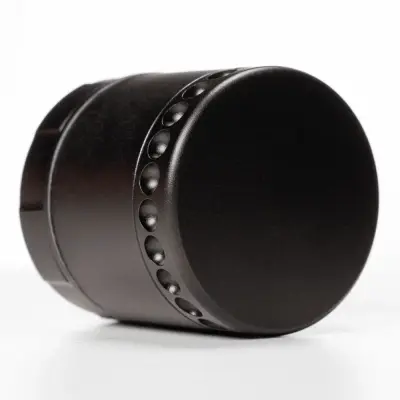
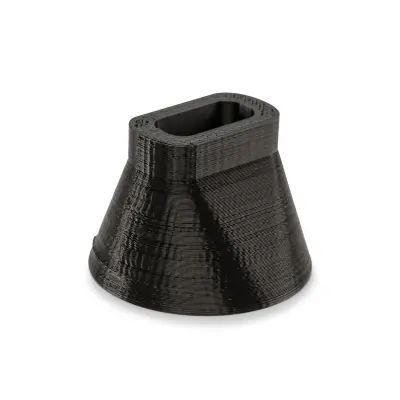
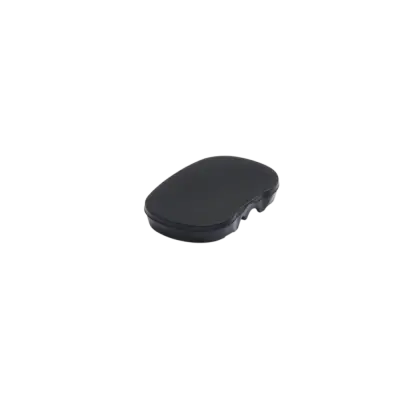
Vaporiser accessories include additional components designed for a specified device or product range. Depending on the model, these may include carrying cases, removable mouthpieces, cleaning tools, screens, external components or manufacturer-specified attachments. An accessory’s appearance is not enough to determine its intended use or compatibility.
Accessory terminology can be broad. Some items are genuinely general-purpose, while others are made exclusively for a vaping device. In Australia, the regulatory position can depend on the item’s intended purpose, including whether it falls within the definition of vaping goods.
Filter products
Sale!
Sale!
Sale!


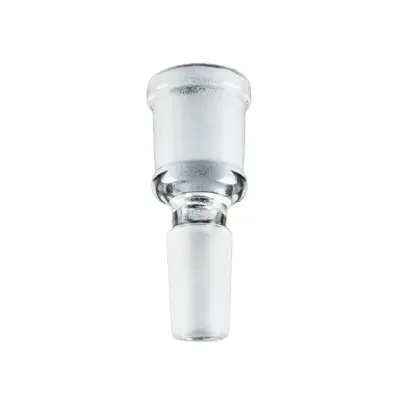
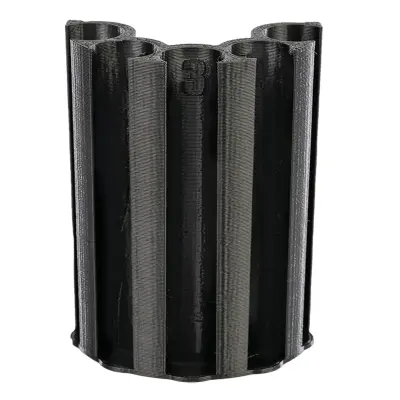
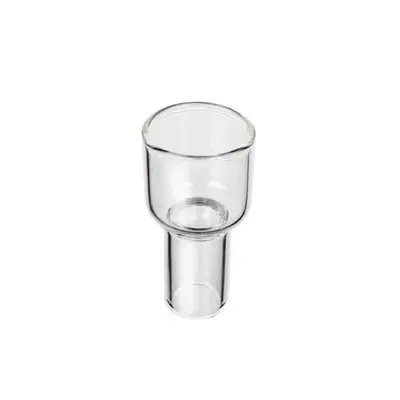
Sale!
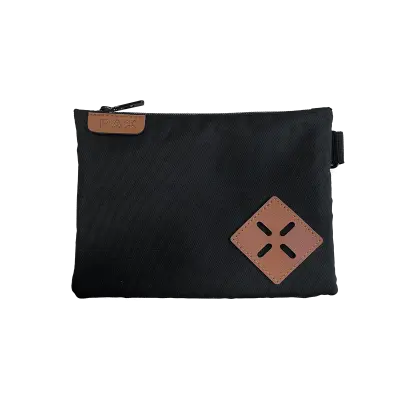

Sale!
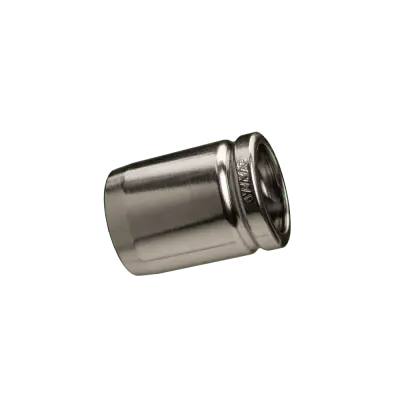
Common types of accessories
The components available for any given model depend on the manufacturer’s design and specifications.
| Accessory type | Typical function | Important compatibility detail |
|---|---|---|
| Carrying case | Stores or protects a device during transport | Interior dimensions and any restrictions on storage |
| Mouthpiece | Connects to the device’s intended outlet | Exact fitting mechanism, materials and model version |
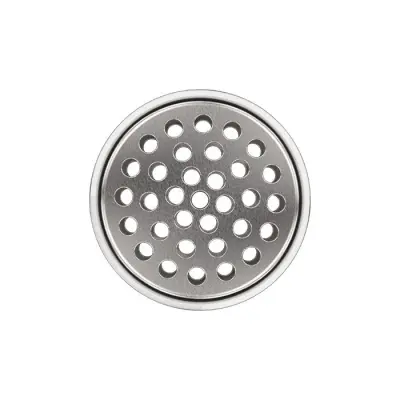
| Screen or filter component | Sits in a manufacturer-specified location | Diameter, mesh design and approved replacement procedure |
| Cleaning tool | Helps reach removable service areas | Approved materials and manufacturer cleaning instructions |
| Seal or gasket | Provides a specified interface or seal | Material, size, temperature suitability and part number |
| External attachment | Connects to a specific product configuration | Device generation, connector design and intended purpose |
A product might be described as an accessory by a retailer but categorised differently under relevant Australian law. The product’s intended use matters more than the heading under which it appears.
Accessories versus replacement parts
An accessory is often an additional item that provides an intended function alongside the main device. A replacement part is used to replace an existing component with one specified for a compatible model. The distinction is useful for product navigation, but it is not a legal classification.
For model-specific wear pieces, see replacement parts.
How compatibility is established
The safest way to interpret compatibility information is to begin with the manufacturer’s model designation, version or revision and part number. Similar-looking housings or outlets can differ in small but important ways.
Model names and generations
A manufacturer’s model name may include a version number, release year or revision indicator. An accessory intended for one generation may not fit another, even if the main products share a brand name or broadly similar appearance.
Dimensions and materials
A diameter or physical measurement helps identify a component but does not establish full compatibility. Seals, screens and mouthpieces can differ in material properties, fitting tolerances and heat exposure. For items near hot surfaces, manufacturer-specified materials are especially important.
Manufacturer documentation
Look for explicit compatibility tables, part numbers and instructions for use. Where such information is missing or inconsistent, compatibility should be treated as unconfirmed rather than assumed.
Materials, cleaning and care
Accessories may contain metal, glass, plastic, silicone or other specified materials. Not every material tolerates the same cleaning agents, temperatures or handling procedures. Follow the directions for the particular accessory and device.
Detachable glass or metal pieces sometimes have different cleaning instructions from seals, coatings or electronic assemblies. Do not soak an entire device or apply solvents to electronics simply because a removable accessory can be cleaned with a particular agent.
The Safety & Maintenance hub covers general device and battery-care principles.
Accessories for different device formats
Some accessories are closely associated with handheld devices, such as protective cases or particular outlet assemblies. Larger stationary devices may use longer detachable air-path components, tubing or other model-specific pieces. These distinctions reflect device architecture and are not universal.
Related categories include portable vaporisers, desktop vaporisers and dry herb vaporisers.
Australian rules for vaporiser accessories
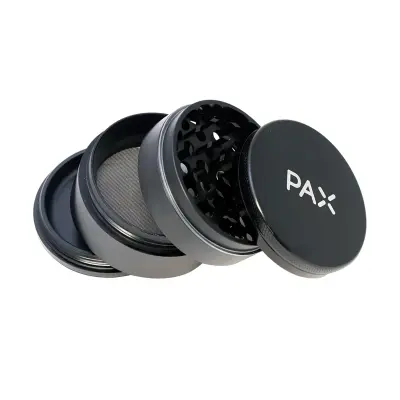
In Australia, an item intended exclusively for vaping may be covered by vaping-goods regulation even if it does not contain a battery or a heating element. The TGA specifically discusses certain mouthpieces, seal rings, grinders, stand-alone batteries and other parts in its medicinal cannabis device guidance.
A name such as “accessory” does not establish that an item is exempt from those rules. See the TGA’s guidance for importers and manufacturers and the Australian regulation hub.
Frequently asked questions
Do universal vaporiser accessories exist?
Some products may be described as universal, but that description should be checked against dimensions, connection design and manufacturer compatibility information.
Are accessories and replacement parts the same thing?
They overlap in everyday language, but replacement parts are usually intended to substitute for a specified component. The distinction does not by itself determine regulatory status.
Will a mouthpiece from the same brand fit every model?
Not necessarily. Model generation and fitting design can differ. Check the exact part number or compatibility list.
Can all accessories be cleaned with alcohol?
No. Cleaning methods depend on the material and manufacturer’s instructions. Some plastics, seals, coatings and electronics may be damaged by unsuitable solvents.
Is an accessory outside vaping regulations because it has no electronics?
No. Intended use and applicable legal definitions matter. Non-electronic components can still fall within the regulated category.
How can I identify the correct part or accessory?
Start with the manufacturer’s model designation, version or revision, documented part number and written compatibility guidance.
Need a little guidance?
Explore the Knowledge Hub for technology, device care and vaporiser basics.
Explore the guides →