
THE COLLECTION
Portable Vaporisers
Portable vaporisers bring the heating system, controls and power source together in a relatively compact enclosure. They are often described by size or portability, but their underlying technologies can differ: chamber design, airflow, heating method, charging arrangement and serviceability are all model-dependent.
Understanding the technical information behind a portable format helps make product descriptions easier to interpret. A label such as portable does not, by itself, identify the substance a device is intended to handle or establish its regulatory status in Australia.
Filter products
Sale!
Sale!

Sale!

Sale!

Sale!
Sale!
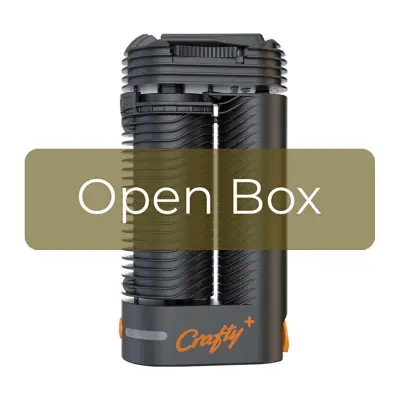
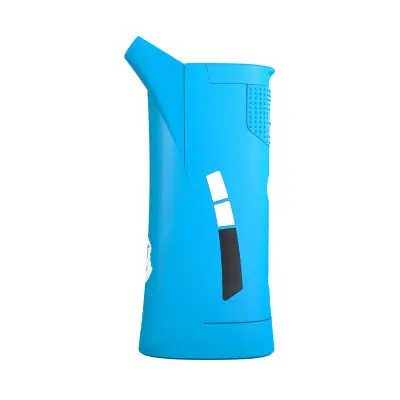
Sale!
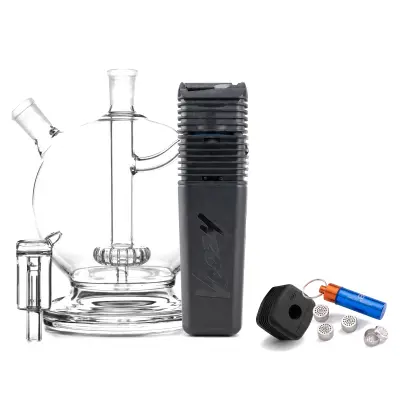
Sale!
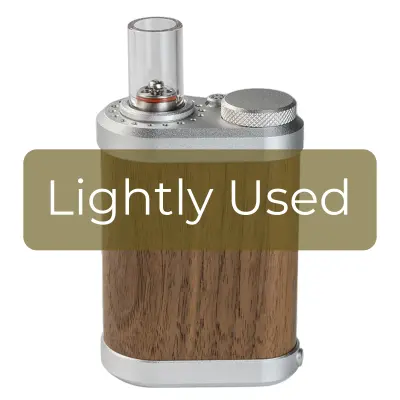
Sale!
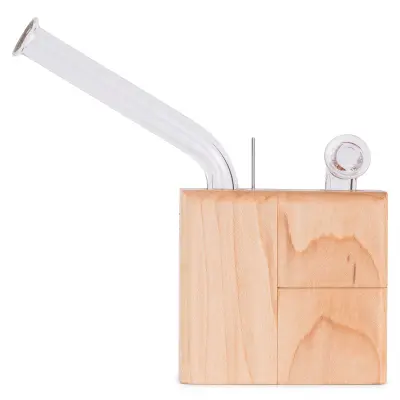
Sale!
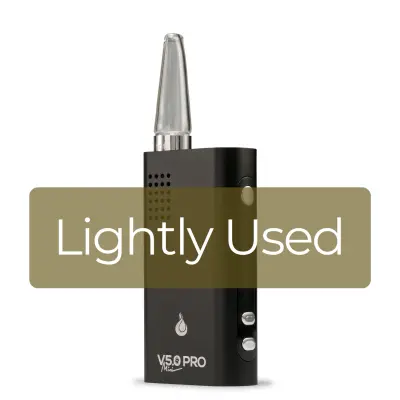
Sale!
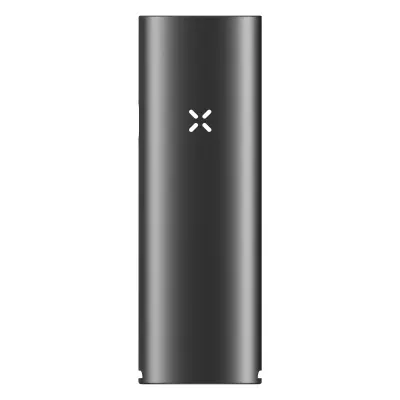
Sale!
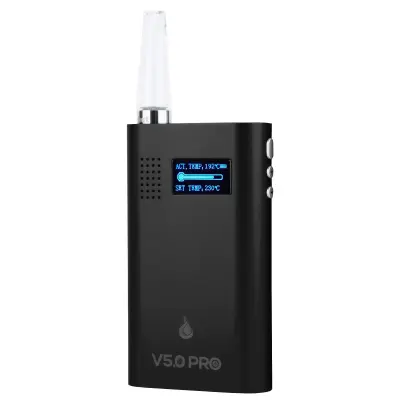
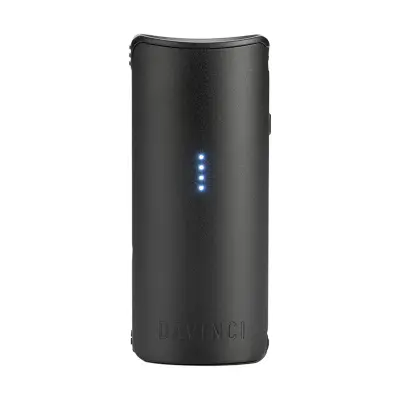
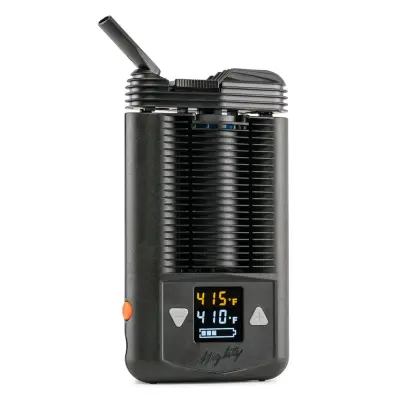
Sale!
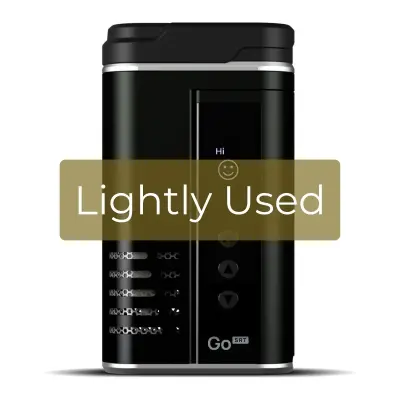
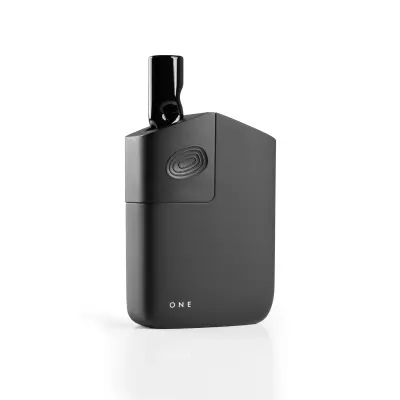
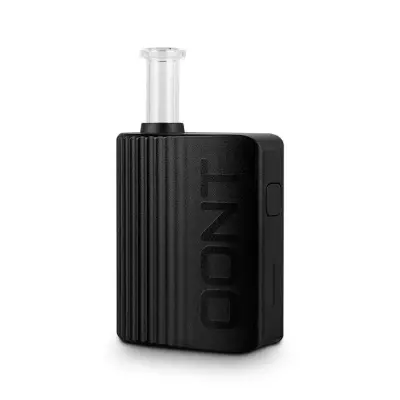
Sale!
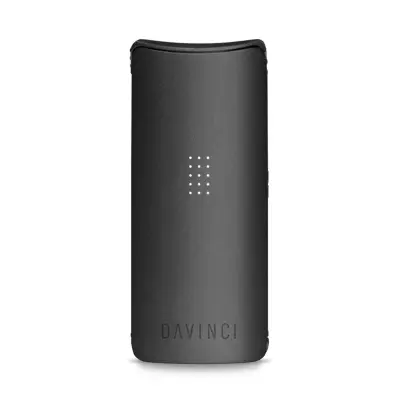
What makes a vaporiser portable?
A portable design generally uses a handheld or travel-sized body and a self-contained power arrangement. Rechargeable lithium-ion batteries are common, although the capacity, protection electronics and charging architecture can differ substantially.
A compact enclosure places the heater, battery, insulation and controller close together. This makes thermal design important: the device needs to control heat in the intended heating area while protecting electronics and external surfaces within its design limits.
Dimensions, weight and handling
Specifications may include height, width, depth, weight and chamber capacity. Compare these values using the same units and confirm whether the listed weight includes a battery or removable parts. A smaller body does not automatically mean simpler upkeep, because compact designs can contain tightly integrated components.
Power and charging
Battery capacity is usually expressed in milliamp-hours (mAh), sometimes alongside watt-hours (Wh). mAh alone does not provide a direct comparison of operating time across devices with different battery voltages, heaters or control algorithms.
Look for the manufacturer’s stated battery specification, charging input and applicable charger requirements. USB-C is a connector format; it does not guarantee a particular charging speed or support for every USB Power Delivery mode.
Portable heating technologies
Portable devices can use conduction, convection or hybrid heating. Heating performance depends on more than the marketing label: chamber geometry, airflow, sensor placement and insulation all affect the system.
| Specification | What it tells you | Common limitation |
|---|---|---|
| Heat-up time | Stated interval to a defined operating condition | Test methods may vary between manufacturers |
| Temperature range | Available control settings | May not equal material temperature |
| Battery capacity | Nominal charge or energy information | Not a guaranteed runtime |
| Chamber materials | Materials stated for specific components | Does not describe the whole air path |
| Device dimensions | External physical size | Says little about internal serviceability |
| Replaceable battery | Whether replacement is intended by the manufacturer | Does not authorise user repairs on sealed units |
The Technology & Engineering hub explains how heaters, sensors and power-management systems interact.
Portability versus maintenance
A smaller format can be convenient to store and transport, but maintenance still depends on the model. Some designs have removable mouthpieces, cooling sections and screens; others have fewer user-serviceable components. Follow the instructions for the exact device before removing parts or using cleaning agents.
Understanding the airflow path
Air may travel through openings, heater passages, the chamber and an outlet or mouthpiece. Internal components are not always visible. Claims about a “fully isolated” air path should be supported by the manufacturer’s documentation rather than inferred from appearance alone.
Components and spare parts
Screens, seals, cooling units and external cases may vary even across versions of the same model. Consult vaporiser accessories for additional components and replacement parts for model-specific wear parts.
Portable devices versus desktop systems
The distinction is primarily physical and electrical. Portable systems commonly manage a finite battery supply. Desktop systems more often draw power from the mains and may have larger thermal assemblies or separate accessories. Neither format automatically implies better heating uniformity or safer operation.
Explore the desktop vaporiser category for differences in power supply, footprint and mechanical layout.
Storage, batteries and transport
Electronic devices should be stored according to their manufacturer’s temperature, humidity and battery-care instructions. Keep charging leads and connectors free from damage, and stop using a device if there are signs of battery swelling or an electrical fault.
Airline, security and border rules are separate from a device’s physical portability. A product fitting in a bag does not establish that it may be carried, imported or used in a particular location. Check current Australian legal requirements and carrier rules before travelling. See Safety & Maintenance for general battery and device-care information.
Portable vaporisers in Australia
Australian product classification and supply restrictions depend on intended purpose and other factors, not just size. Some vaping goods and their accessories are subject to TGA regulation. A portable device is not automatically a consumer product, nor is it automatically a registered medical device.
For background, consult the TGA’s advertising and promotion guidance and the Australian regulatory overview.
Frequently asked questions
Are portable vaporisers all battery-powered?
Battery power is common, but portable describes the product’s format. Confirm the power arrangement in the model specifications.
What does mAh indicate?
It describes nominal battery charge capacity. To compare battery energy across different voltage systems, watt-hours are more informative. Actual runtime also depends on the heater and operating conditions.
Does USB-C mean fast charging?
No. USB-C describes the connector. Charging power and protocols depend on the device, charger and cable.
Are portable and dry herb vaporisers the same category?
Not exactly. Portable describes the format; dry herb describes the type of material-handling system. Some devices fall under both descriptions.
Is the temperature shown on a display always the air temperature?
No. The display may show a setpoint or a sensor reading taken elsewhere. Refer to the manufacturer for the meaning of its display.
Can a worn battery be replaced at home?
Only when the manufacturer explicitly provides a user-replacement procedure. Sealed battery packs and internal electrical repairs should not be opened or modified without authorised service guidance.
Need a little guidance?
Explore the Knowledge Hub for technology, device care and vaporiser basics.
Explore the guides →