
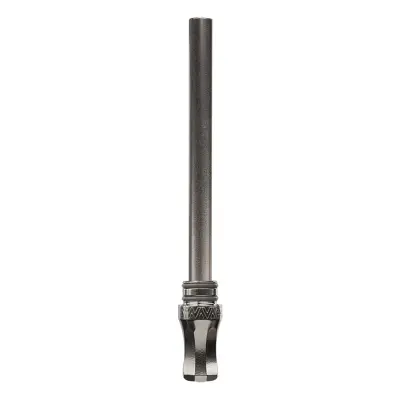
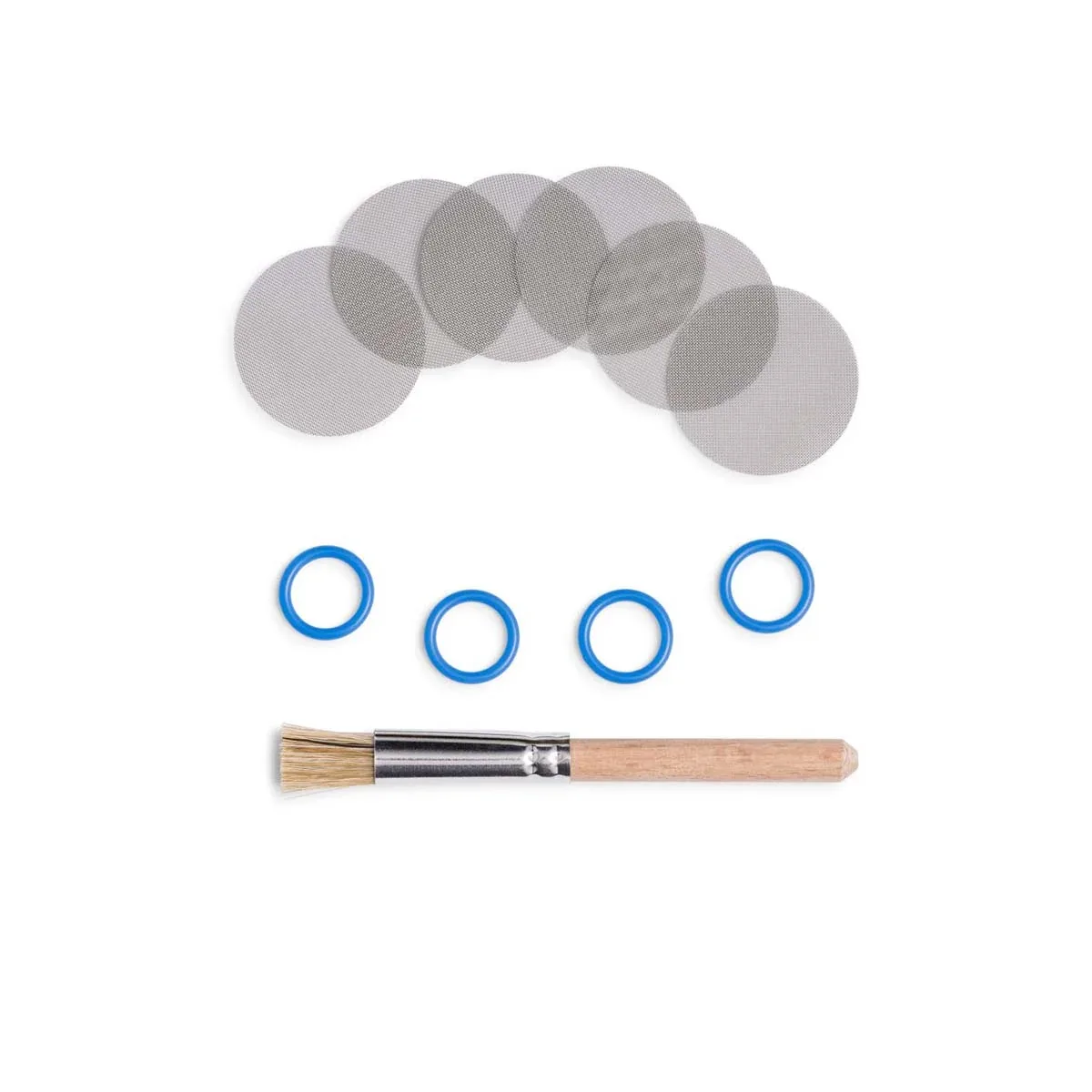
THE COLLECTION
Vaporiser Replacement Parts
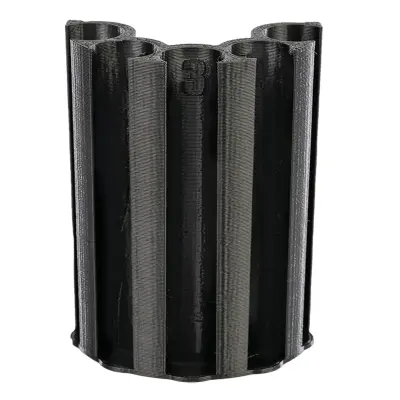
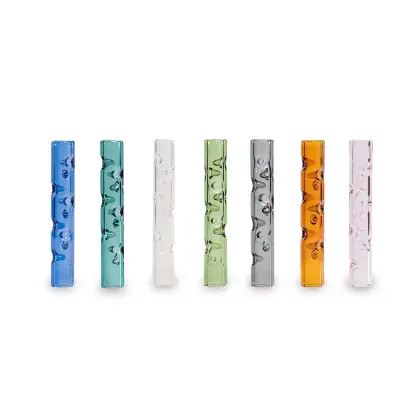
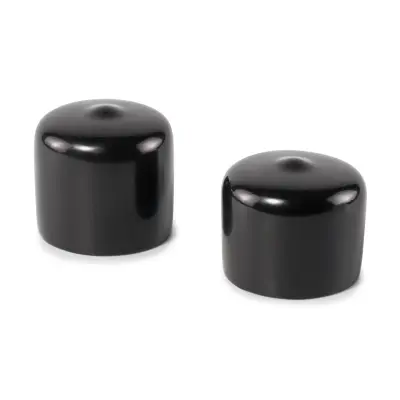
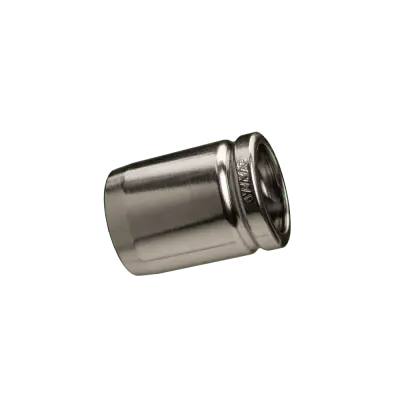
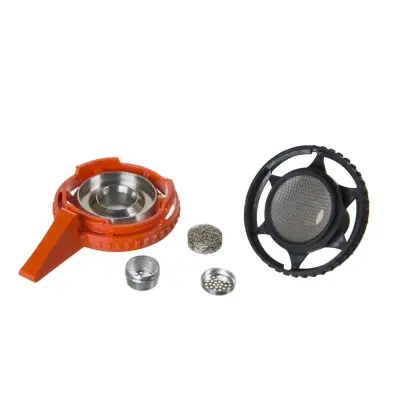
Replacement parts are components intended to take the place of existing pieces in a particular device. Examples can include screens, seals, mouthpieces, chamber inserts, cooling assemblies and other manufacturer-specified items. The correct replacement depends on the exact product model, generation and documented service procedure.
A part that appears to fit is not necessarily suitable. Material specifications, dimensional tolerances, operating temperatures and intended use can all affect whether a replacement is appropriate.
Filter products
Sale!
Sale!
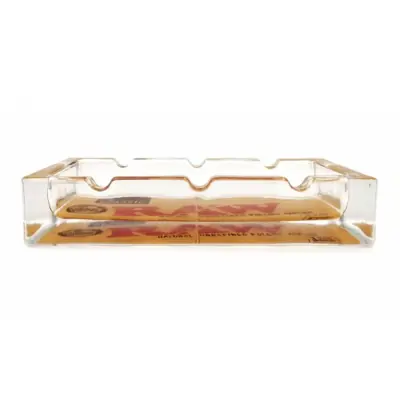
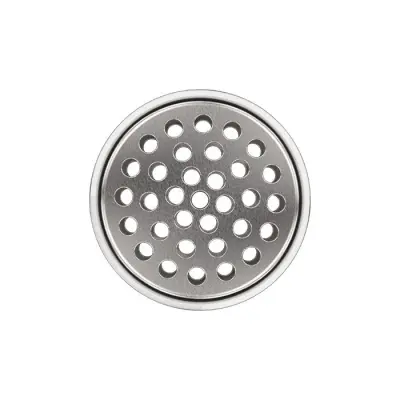
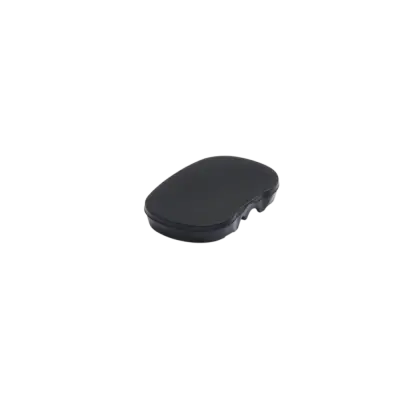
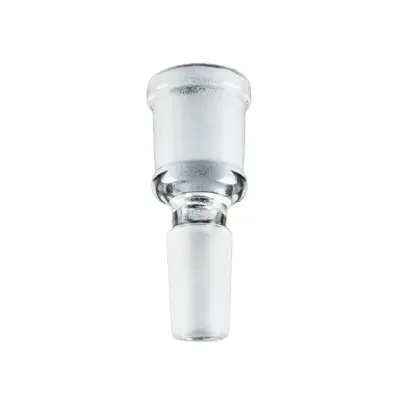
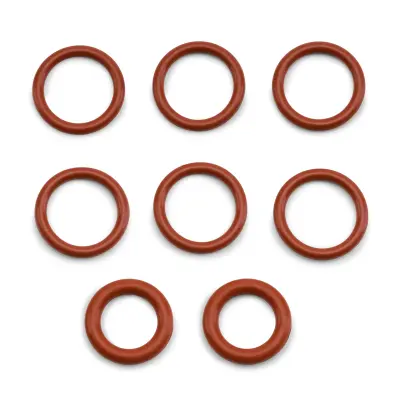
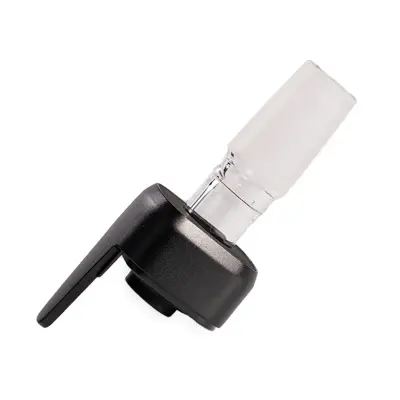
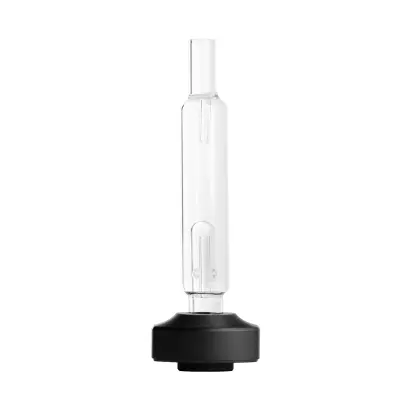
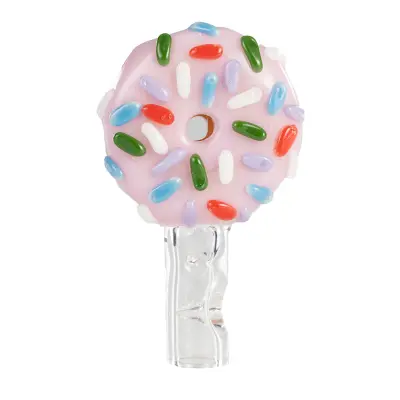
Sale!

Sale!
Understanding replacement-part categories
| Part type | Typical role | Information to confirm |
|---|---|---|
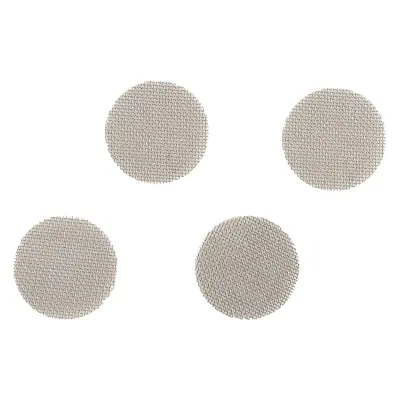
| Screen or mesh | Occupies a defined location in the air path | Diameter, mesh design and part reference |
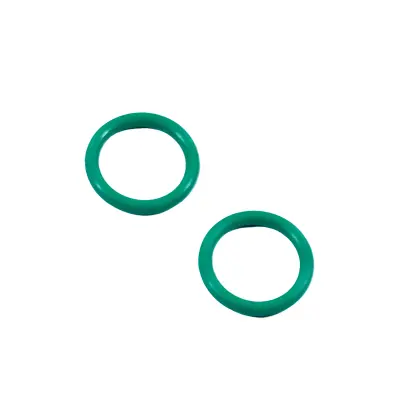
| Seal or gasket | Seals an interface or component | Material, profile, dimensions and compatibility |
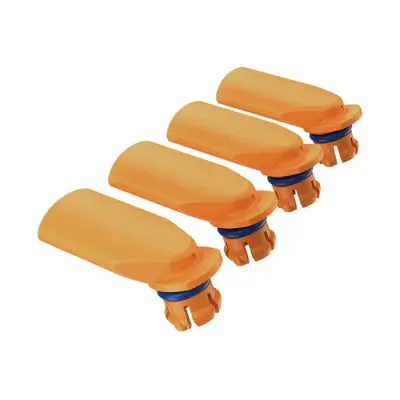
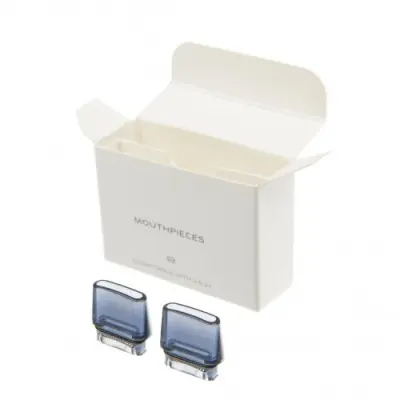
| Mouthpiece assembly | Forms part of the intended outlet | Exact fitting and product generation |
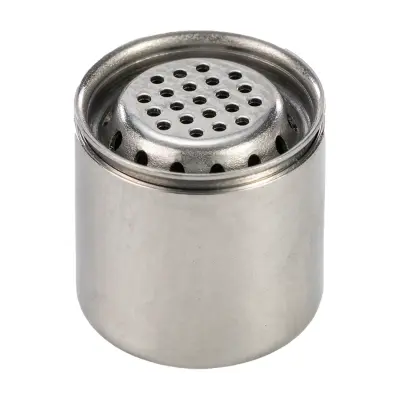
| Chamber insert | Fits within a designated heating area | Material, manufacturer approval and model revision |
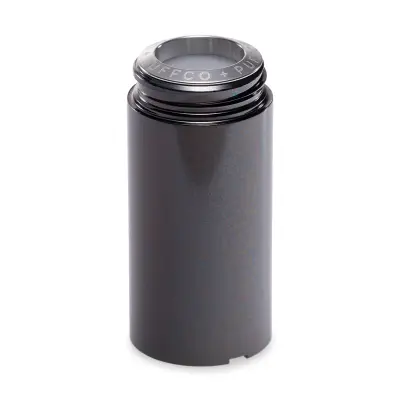
| Cooling assembly | Forms part of a specified detachable pathway | Full assembly reference and cleaning instructions |
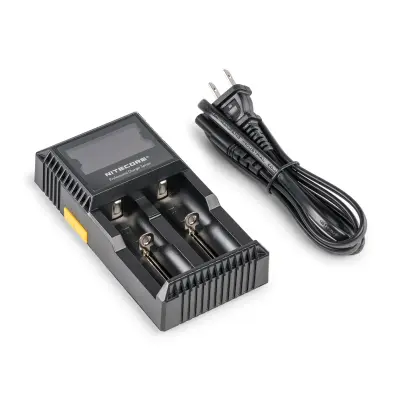
| Electrical component | Belongs to a powered internal system | Whether the manufacturer permits replacement by users |
Some items are designed for routine owner replacement. Others should only be inspected or replaced by an authorised service provider. A spare part being physically available does not automatically make an internal repair safe or appropriate.
Identifying the correct model and version
Start with the full model name
Record the complete model designation as shown on the product, box or documentation. A familiar brand name or product-family name is not always enough. Products may have multiple generations with similar external shapes but different internal fittings.
Check the manufacturer’s part number
Part numbers provide a stronger reference than informal descriptions such as “small screen” or “standard seal”. Where possible, compare the manufacturer part number on the packaging or technical documentation with the exact replacement specification.
Confirm any revision or serial-number restrictions
Some parts may apply only after a certain product revision or within a specific serial-number range. If a manufacturer publishes such restrictions, treat them as part of the compatibility requirements.
Wear, damage and maintenance
Screens, seals and removable mouthpieces can accumulate residue or show wear over time. A part may need inspection or replacement if the manufacturer’s stated wear criteria are met. A visual change alone does not always establish that a replacement is necessary; likewise, the absence of visible damage does not prove a component is safe.
Screens and mesh components
A clogged or distorted mesh can affect the intended airflow characteristics. Follow the manufacturer’s instructions for inspection, cleaning and replacement. Do not substitute a different mesh material or size without documented compatibility.
Seals and gaskets
Heat, compression, cleaning agents and age can affect some elastomeric components. Replace seals using the precise specification supplied for the model rather than choosing solely by an approximate diameter.
Heating and electrical parts
Heaters, control boards, power contacts and internal battery packs require particular care. Modifying or repairing these components without appropriate knowledge can create electrical or thermal hazards. Follow authorised repair instructions; do not attempt an improvised bypass of thermal cut-offs or battery protection systems.
Original parts and compatibility claims
Descriptions such as genuine, original, OEM-compatible or aftermarket have different implications. A claim of authenticity should be supported by the relevant supplier or manufacturer documentation, while a compatibility claim should identify the exact supported models.
An aftermarket component should not be assumed to have the same materials, testing or approval status as the manufacturer’s original part. Where the device has a regulated medical intended purpose, substitutions may also affect the original intended configuration.
Related devices and accessories
Replacement parts often relate to a particular format or family of devices. Read about portable vaporisers, desktop vaporisers and dry herb vaporisers to understand the different architectures.
Not every add-on is a replacement. Vaporiser accessories explains supplementary items and general compatibility considerations.
Replacement parts and Australian regulation
Certain components intended for medicinal cannabis vaping devices may themselves be regulated as vaping goods. This can include mouthpieces, seals and other parts specified by the TGA. A component’s classification is not determined simply by whether it is sold separately from a device.
For a general explanation, see Australian Laws & Regulations and the TGA’s guidance on medicinal cannabis vaping devices and parts.
Frequently asked questions
How can I check whether a replacement part fits my device?
Confirm the complete model name, generation or revision and manufacturer part number. Look for explicit written compatibility guidance.
Does the same brand guarantee parts are interchangeable?
No. Parts can differ between models and generations within a brand.
Can I replace an internal battery myself?
Only if the manufacturer provides a specific user-replacement procedure. Do not open sealed packs or bypass battery-protection systems.
Can a damaged seal be replaced with one of the same approximate size?
Approximate fit is not sufficient. Material, profile, tolerance and temperature requirements may matter.
Are aftermarket components identical to original parts?
Not necessarily. Their design, materials, testing and compatibility claims require independent verification.
Are replacement parts regulated differently from complete devices in Australia?
The legal position depends on the item’s intended purpose and relevant definitions. Some parts are themselves regulated vaping goods, even when sold separately.
Need a little guidance?
Explore the Knowledge Hub for technology, device care and vaporiser basics.
Explore the guides →