
In this article
Why a product listing can be promotionalThe sale channel and the advert are separateExamples of information that requires careful contextWhy product classifications cannot be assumedFrequently asked questionsIf a catalogue has no “add to cart” button, is it automatically non-promotional?Can price information be shared in a lawful B2B setting?Further readingOfficial sourcesRelated articles
A product catalogue can function as an advertisement under Australian law even without a separate marketing campaign. For vaping goods, the key issue is whether public-facing product information is intended directly or indirectly to promote use or supply.
Why a product listing can be promotional
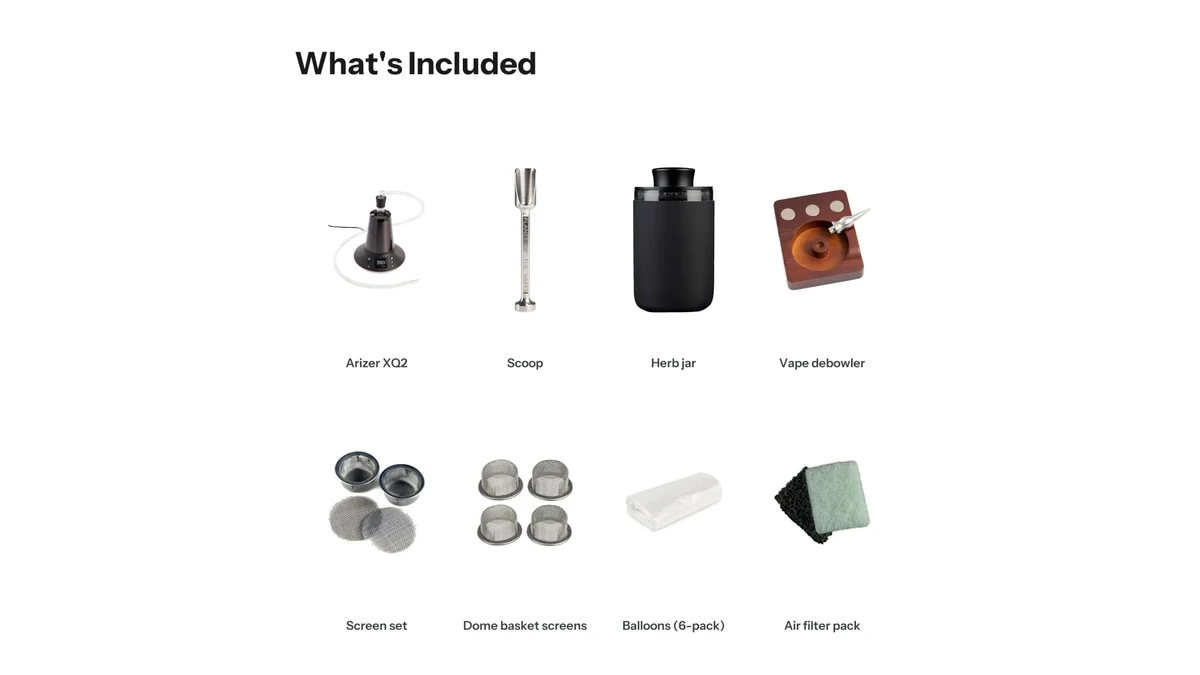
A catalogue may include photos, product names, model features, price, availability, star ratings, comparisons or purchasing links. Depending on context, these elements can invite readers to obtain vaping goods. The TGA's April 2026 guidance says advertising is assessed according to the material's apparent promotional purpose, not a publisher's assertion that it is only a neutral listing.
The sale channel and the advert are separate
An organisation may lawfully participate in a restricted supply chain while still being prohibited from promoting vaping goods to the general public. The 2024 advertising authorisation permits particular information within specified professional or supply-chain audiences, subject to content limits. It does not establish that a consumer-facing catalogue of vaping goods can be published as ordinary ecommerce advertising.
Examples of information that requires careful context
Availability and price may be relevant in an authorised B2B or healthcare-professional communication, but the same information displayed to the open internet may have a different legal character. A manufacturer specification table can be informative on its own while adjacent testimonials, discounts or “best device” claims change the overall impression. Links from articles to product listings can also form part of that assessment.
Why product classifications cannot be assumed
Some articles or accessories may fall within the vaping definitions even when supplied separately. Other items may be ordinary consumer goods. The fact that a website sells both kinds of products does not make the rules uniform across every listing. Readers should check the product's intended purpose and current TGA guidance, rather than treating all devices and components as interchangeable.
Frequently asked questions
If a catalogue has no “add to cart” button, is it automatically non-promotional?
No. The overall content can still be intended to promote the use or supply of vaping goods.
Can price information be shared in a lawful B2B setting?
Certain permitted supply-chain communications may include availability and price, subject to the authorisation’s recipient and content conditions.
Further reading
- Australian vaporiser laws and regulations
- When Is Website Content Considered Vape Advertising?
- Wholesale Supply and B2B Communication Rules
- Regulation of Replacement Parts and Accessories in Australia
Official sources
- TGA — Determining if your content is advertising
- TGA — Vapes: advertising and promotion
- Federal Register — Vaping Goods Advertising Authorisation 2024
- TGA — Medicinal cannabis vaping devices: importer and manufacturer guidance
Information current to 9 October 2026. Australian law and regulatory guidance may change. This page provides general information rather than legal or clinical advice.