
In this article
Who can receive authorised professional communication?Exclusively means other audiences are excludedWhat information can be included?Clinical discussion is a separate pathwayFrequently asked questionsCan a public site advertise to doctors if it uses medical language?Does an ARTG entry override the vaping advertising restriction?Further readingOfficial sourcesRelated articles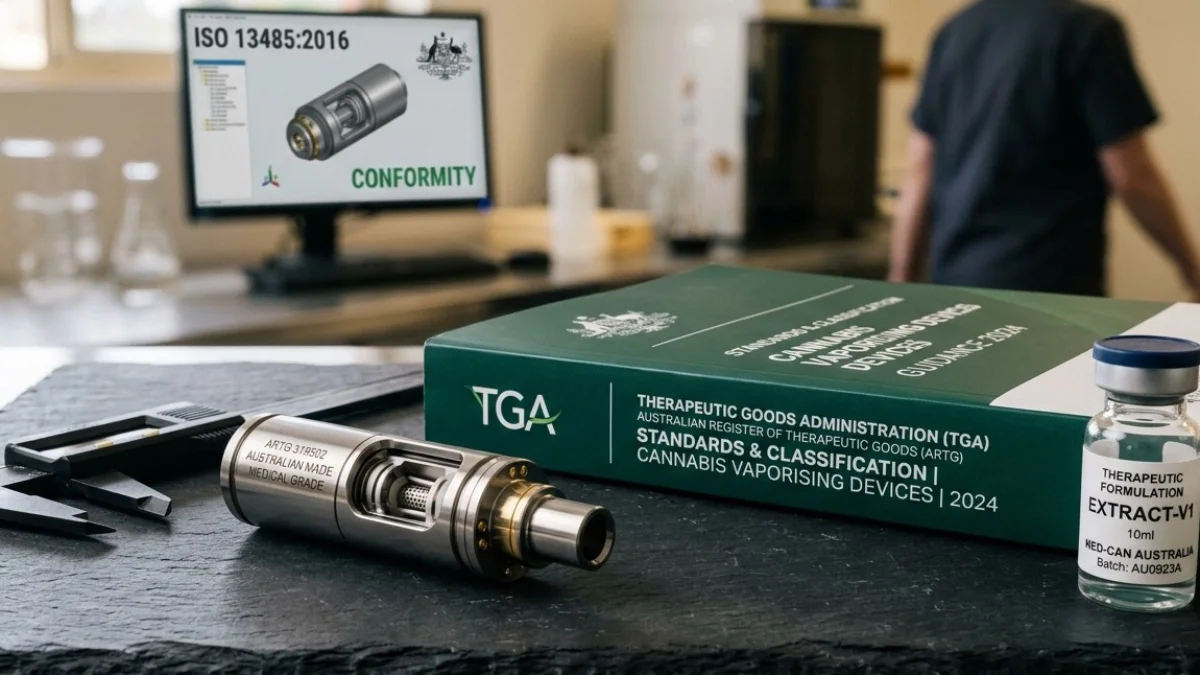
Australian law draws a distinction between public promotion of vaping goods and tightly limited information provided exclusively to specified health professionals. It is a distinction about both the recipient and the communication—not merely the professional tone of a webpage.
Who can receive authorised professional communication?
The TGA's vaping-specific advertising authorisation identifies particular recipients, including medical practitioners, nurse practitioners, pharmacists and specified practice managers or purchasing officers. This list must not be expanded automatically to everyone working in healthcare. Although separate therapeutic-goods rules refer to health professionals more broadly, vaping-specific authorisation imposes its own narrower conditions.
Exclusively means other audiences are excluded
The TGA explains that content claiming to be “for health professionals only” does not qualify if it is actually visible to the public. Access conditions must meaningfully exclude people outside the permitted audience. Merely selecting a professional option in an ordinary dropdown or placing a professional-use label above unrestricted information does not by itself demonstrate exclusivity. The legal focus remains on who can access the communication and whether they qualify.
What information can be included?
Under the vaping authorisation, eligible communications are restricted to matters such as availability and price, information necessary for safe and effective use, and specified product particulars including intended purpose, ingredients, composition, formulation, design and presentation. The content must be consistent with the relevant sponsor notice where required. Testimonials, inducements or other promotional embellishments are not simply permitted because the recipients are professionals.
Clinical discussion is a separate pathway
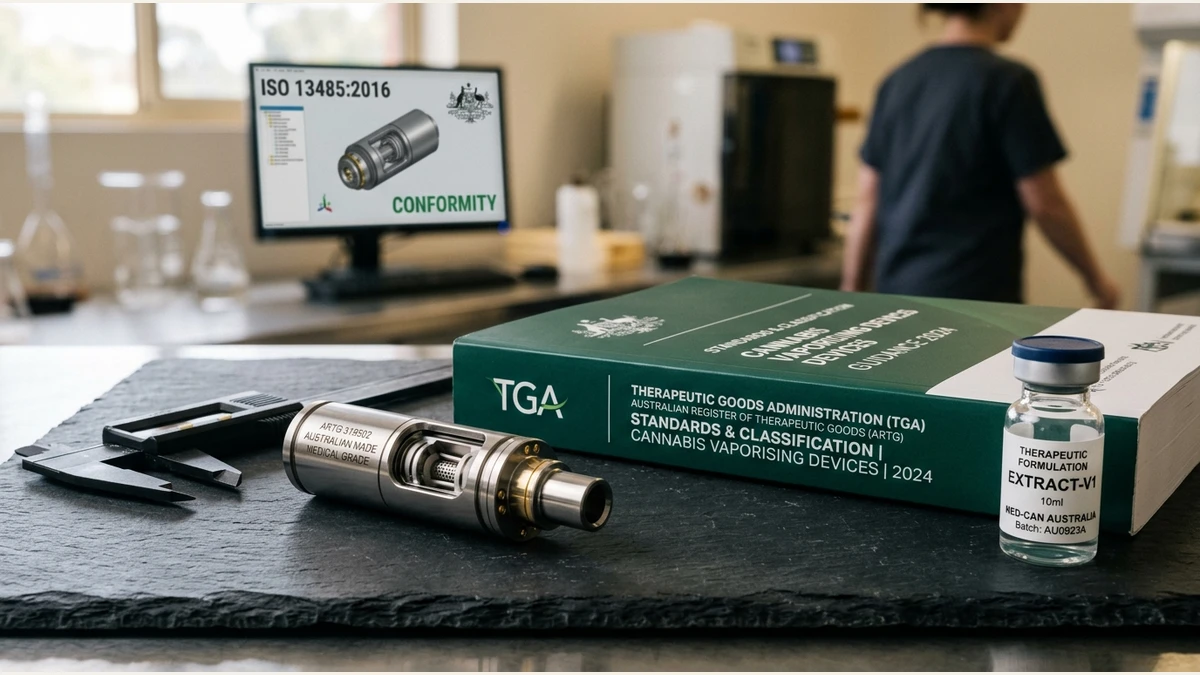
The authorisation also provides for certain direct communications from a medical practitioner, nurse practitioner or pharmacist to a patient in the course of treatment for smoking cessation or nicotine dependence. This is not equivalent to a public page addressing all patients. Medicinal cannabis vaping devices also have specific medical-device and advertising requirements that must be considered separately.
Frequently asked questions
Can a public site advertise to doctors if it uses medical language?
No. The applicable authorisation requires communications to be directed exclusively to specified recipients.
Does an ARTG entry override the vaping advertising restriction?
No. Product registration and advertising permission are separate matters.
Further reading
- Australian vaporiser laws and regulations
- Vape Advertising Restrictions in Australia Explained
- Wholesale Supply and B2B Communication Rules
- Understanding the Vaping Goods Advertising Authorisation 2024
Official sources
- TGA — Vapes: advertising and promotion
- Federal Register — Vaping Goods Advertising Authorisation 2024
- TGA — Advertising to health professionals
- TGA — Medicinal cannabis vaping devices: importer and manufacturer guidance
Information current to 9 October 2026. Australian law and regulatory guidance may change. This page provides general information rather than legal or clinical advice.