
In this article
What counts as advertising?The general rule and limited authorisationsAdvertising rules cover more than websitesWhat readers should take awayFrequently asked questionsDoes an online shop need to run a paid advertisement to breach the rules?Are all factual statements about regulation prohibited?Further readingOfficial sourcesRelated articles
Australian rules on vape advertising are unusually strict. Since 1 July 2024, advertising vaping goods is generally prohibited unless a specific statutory authorisation applies. The restriction is not confined to nicotine products or traditional paid advertisements: the content and audience matter.
What counts as advertising?
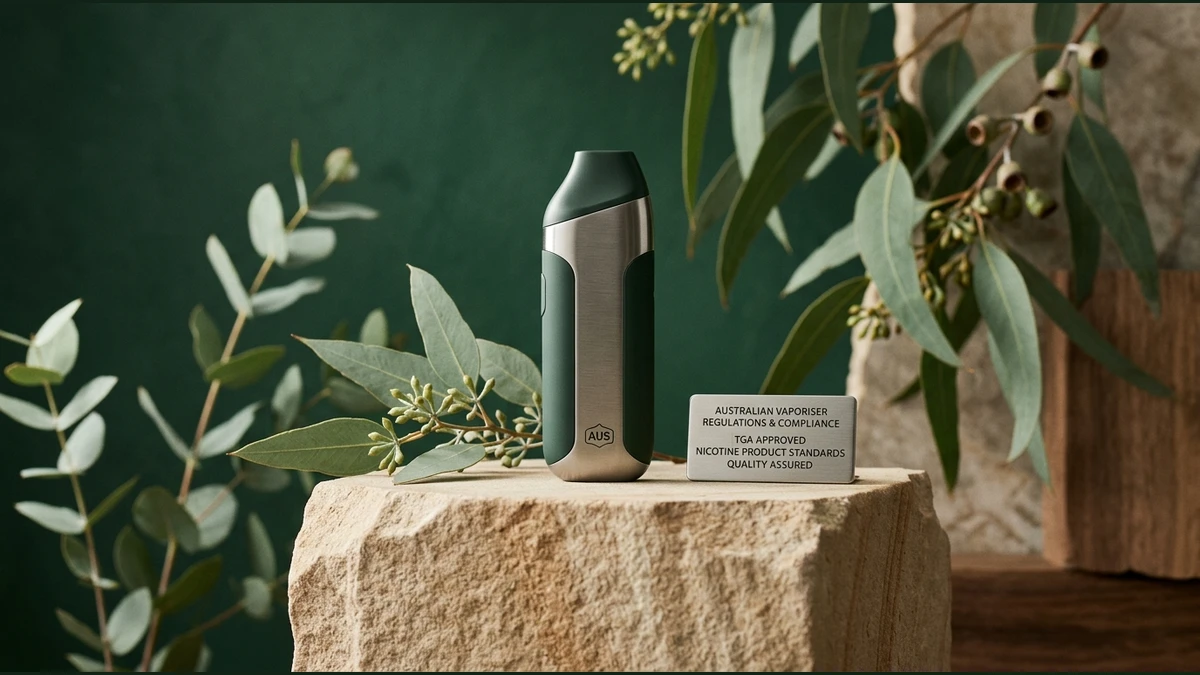
Under the Therapeutic Goods Act 1989, advertising can include words, pictures or designs intended, directly or indirectly, to promote the use or supply of vaping goods. The TGA considers the impression created by the material, not only the publisher's stated intention. A product listing, influencer post, comparison, sponsored article or a seemingly educational page can be advertising depending on its content and context. A neutral explanation of law is not automatically an advertisement, but neither is it automatically exempt because it is described as educational.
The general rule and limited authorisations
The TGA describes a prohibition on public promotion of vaping goods. The Therapeutic Goods (Vaping Goods—Advertising) Authorisation 2024 permits specified communications in narrow circumstances, including relevant information on labels and packaging, communication to specified health practitioners, certain communications within lawful wholesale and retail supply chains, and direct clinical discussions with patients about smoking cessation or nicotine dependence. Each category has conditions concerning audience, subject matter and form. An authorisation for a particular communication is not a general marketing licence.
Advertising rules cover more than websites
The prohibition is relevant to search advertising, social-media posts, paid partnerships, promotional emails, event sponsorship and other public-facing media. Linking from a general-interest article to a commercial page may change the overall impression of the article. Saying a device is available lawfully somewhere in Australia does not establish that it may be marketed to everyone. Nor does the existence of a pharmacy pathway create an open public advertising permission.
What readers should take away
It is useful to separate three questions: whether an item falls within the statutory definition of vaping goods; whether a particular person may lawfully possess or supply it; and whether a particular communication about it is authorised. These questions have different legal tests. A claim such as “legal vape” cannot answer all three. Additional restrictions may arise under state or territory law, professional standards and consumer protection rules.
Frequently asked questions
Does an online shop need to run a paid advertisement to breach the rules?
No. Advertising is defined broadly enough to include unpaid content intended to promote vaping goods.
Are all factual statements about regulation prohibited?
Not necessarily. The TGA assesses whether the content directly or indirectly promotes use or supply, taking context into account.
Further reading
- Australian vaporiser laws and regulations
- When Is Website Content Considered Vape Advertising?
- Understanding the Vaping Goods Advertising Authorisation 2024
- Vape Advertising on Social Media: Australian Considerations
Official sources
- TGA — Vapes: advertising and promotion
- TGA — Determining if your content is advertising
- Federal Register — Vaping Goods Advertising Authorisation 2024
- Federal Register — Therapeutic Goods Act 1989 (current)
Information current to 9 October 2026. Australian law and regulatory guidance may change. This page provides general information rather than legal or clinical advice.