
THE COLLECTION
Desktop Vaporisers
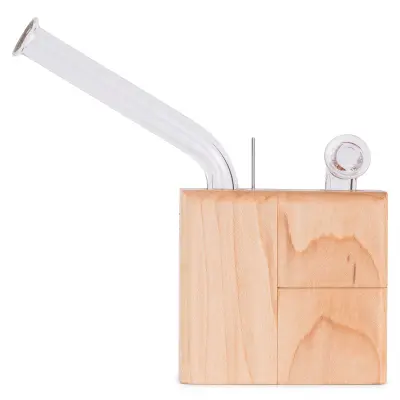
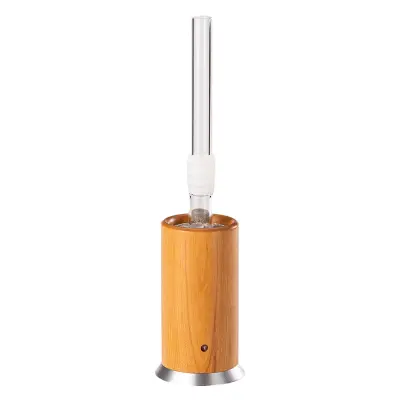
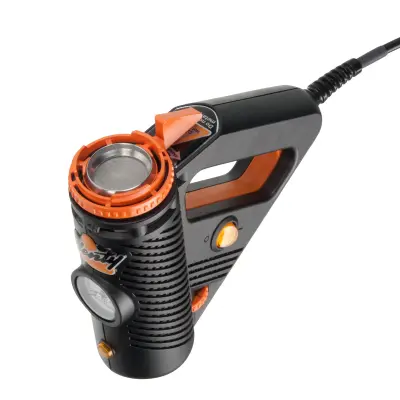
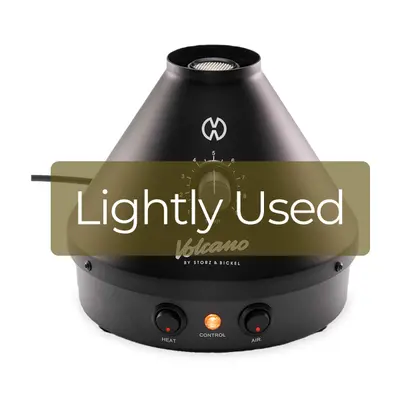
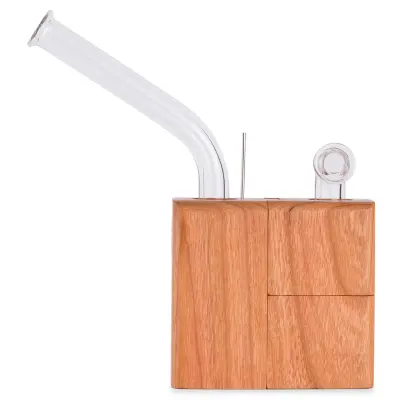
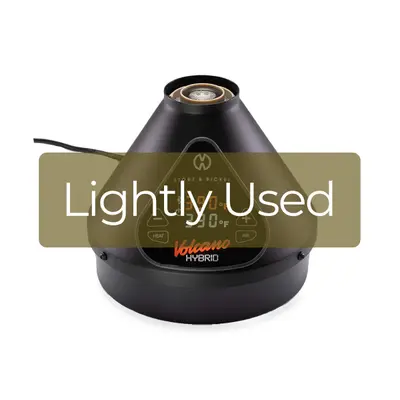
Desktop vaporisers are larger-format heating devices intended to remain on a stable surface during operation. Compared with portable devices, they commonly use a mains power supply and may separate the heating unit from an outlet, tubing or other manufacturer-specified components. Their size and electrical arrangement influence how they are designed, but performance still depends on the individual model.
The term desktop vaporiser describes a physical format. It does not indicate a particular heating method, medical purpose or regulatory approval in Australia.
Filter products
Sale!
Sale!

Sale!

Sale!
Sale!
Sale!
Sale!

Sale!
Sale!
Sale!
Storz & Bickel
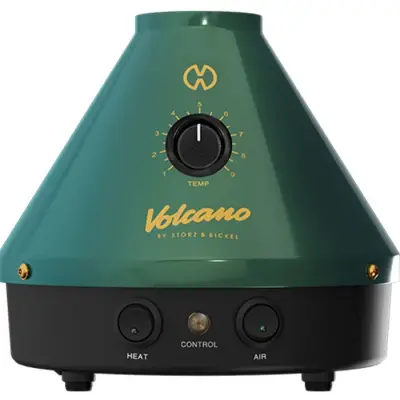
Storz & Bickel Volcano Classic Dry Herbs Vaporizer 25 Years Edition - Green

How desktop vaporiser systems are constructed
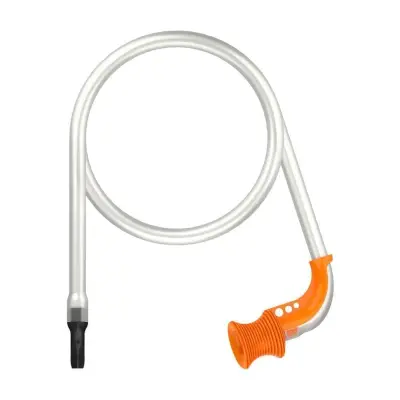
A desktop system usually has a main enclosure containing the heater, controls and power electronics. Depending on the design, the air path may be integrated into the body or include detachable components. Some systems feature an external mouthpiece or delivery component; others use a more self-contained arrangement.
Power supply and thermal design
Many desktop units are designed for mains power rather than a rechargeable battery. This changes the engineering constraints: the device need not rely on a limited battery charge for operation, but still requires appropriate electrical protection, insulation and temperature regulation.
The presence of mains power does not prove that a heater maintains a perfectly constant temperature. Thermal stability depends on sensor location, control logic, airflow, the mass of the heated assembly and environmental conditions.
Heating chamber and air path
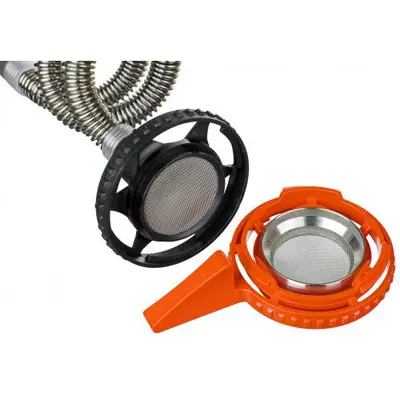
Chamber construction may use stainless steel, ceramics or other specified materials. Screens, seals, tubing and outlet components may need routine inspection according to the manufacturer’s instructions. The full air path should be assessed from the device documentation, not only from a photograph of the heating chamber.
Heating methods and temperature control
Conduction systems transfer heat through contact with a heated surface. Convection systems rely substantially on heated moving air. Hybrid systems combine mechanisms. These are descriptions of heat transfer, not independently verified claims of performance.
A desktop device’s controls might use a dial, buttons or a digital display. When a temperature is shown, it may represent a target value or a reading from a sensor near the heater. It should not be assumed to be a direct measurement of material temperature.
For further technical background, see Technology & Engineering.
Understanding desktop specifications
| Feature | What to look for | Why the detail matters |
|---|---|---|
| Input power | Voltage, frequency and power rating | Confirms electrical requirements for Australia |
| Heater arrangement | Manufacturer’s stated heating technology | Explains the basic thermal system |
| Temperature controls | Range, increments and meaning of readings | Helps interpret technical claims accurately |
| Warm-up information | Conditions used to determine time | Prevents comparisons based on different test methods |
| Included components | Exact pieces supplied with a model | Avoids assuming detachable items are included |
| Service instructions | User-replaceable pieces and cleaning limits | Clarifies appropriate maintenance |
Australian electrical compatibility should be checked against the model’s own rating information. Do not assume an imported device is compatible merely because an adaptor can physically fit its plug.
Desktop versus portable vaporisers
The largest differences are typically physical size and power architecture. Portable systems are often battery-powered and built around a compact enclosure. Desktop systems generally occupy more space and may use a separate outlet assembly or external components.
Neither label guarantees a particular heater quality, airflow resistance, operating noise or maintenance interval. These values should be compared from individual specifications where reliable data is available.
You can read more about compact-device engineering in portable vaporisers, while dry herb vaporisers explains a material-handling category that can include either desktop or portable formats.
Components, accessories and maintenance
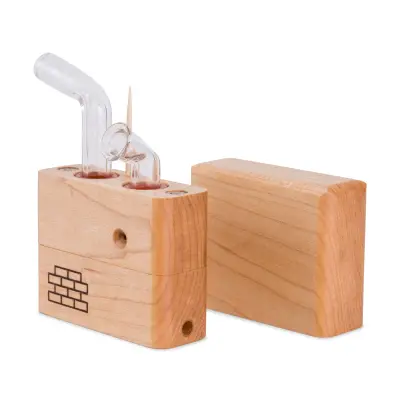
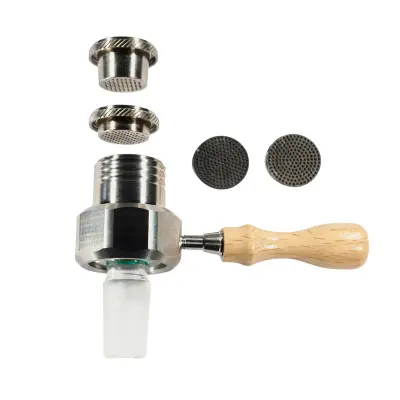
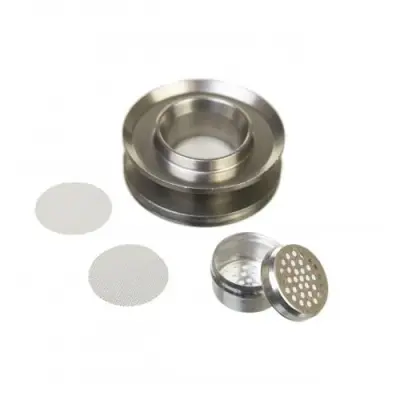
Desktop designs may use removable screens, seals, outlet pieces, tubing or manufacturer-specific cleaning tools. Accessories are not interchangeable simply because they look similar. Dimensions, temperatures, connector types and product generations can all affect compatibility.
Refer to the accessories and replacement parts categories for a clearer distinction between optional components and specified replacement pieces.
Cleaning and storage
Allow components to cool according to the manufacturer’s directions before handling or cleaning. Disconnect mains-powered equipment where the instructions require it. Electrical enclosures, power leads and control assemblies must not be treated in the same way as detachable glass or metal parts.
Stop using the device if the power cable, plug or enclosure is damaged. Follow the authorised service procedure rather than improvising an internal electrical repair.
Australian regulatory context
A desktop unit’s physical format does not determine whether it is a vaping good, a medical device or another class of product. Intended purpose and applicable Australian requirements must be checked for the exact device and supply arrangement. A general category listing is not evidence that a particular model has an ARTG entry.
The TGA’s medicinal cannabis device information provides an official reference for listed medical devices. See also Australian Laws & Regulations.
Frequently asked questions
Are desktop vaporisers always mains-powered?
They commonly use mains electricity, but the term describes a stationary format. Check the exact model’s power specifications.
Is a larger heating unit necessarily more accurate?
No. Temperature accuracy depends on the sensor, controller, calibration and test conditions, not simply physical size.
Can a desktop device use convection heating?
Yes. Desktop devices can use conduction, convection or hybrid designs. The manufacturer should identify its system.
Does a displayed temperature equal the temperature at the material?
Not necessarily. It may refer to a setpoint or a reading elsewhere in the thermal assembly.
Are tubing and mouthpieces interchangeable between models?
Not by default. Compatibility depends on the correct connection, materials, dimensions and product instructions.
Can a desktop unit be used with a travel adaptor in Australia?
A plug adaptor does not change electrical voltage or guarantee safety. Check the manufacturer’s input rating and relevant electrical requirements first.
Need a little guidance?
Explore the Knowledge Hub for technology, device care and vaporiser basics.
Explore the guides →