
In this article
Start with what is actually measuredElectrical and thermal specificationsThe fine print of a specificationComponents and compatibilityLook for independent evidence and limitsHow to compare two product sheetsQuestions readers often askDoes a one-degree display prove one-degree accuracy?Does a UL electrical-safety standard prove emissions are harmless?Explore related engineering topicsReferences and further readingRelated articles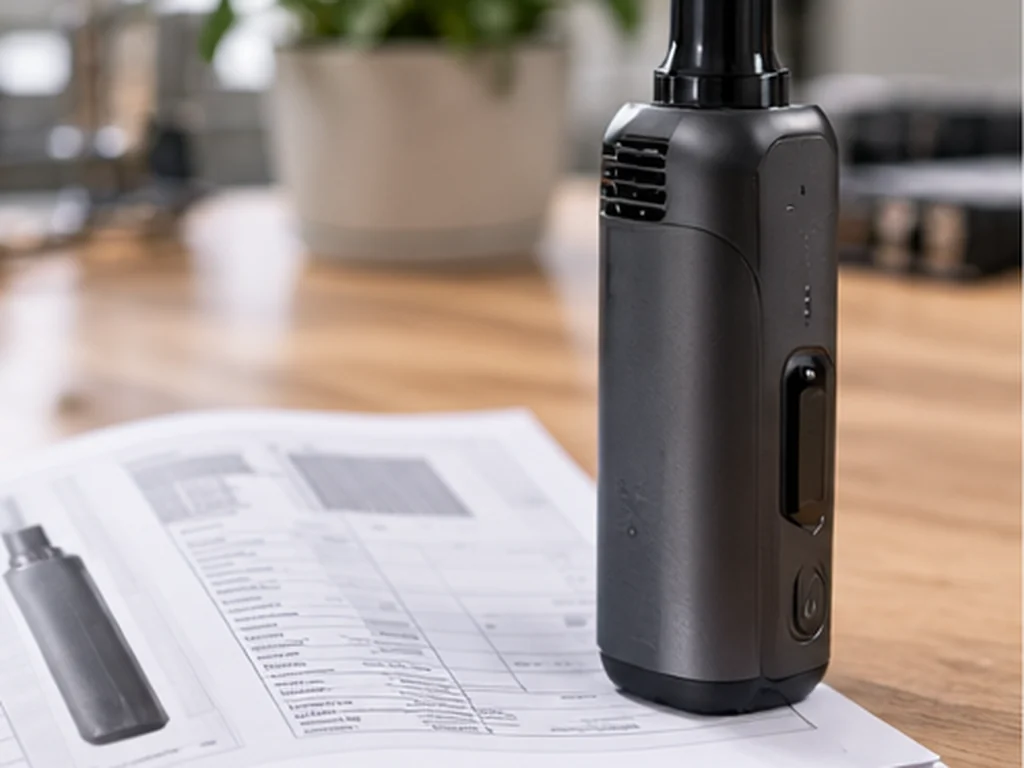
A technical specification is a summary of selected design and performance characteristics. Learning to read the units, definitions and test conditions is more useful than ranking devices by the largest number in a marketing table.
Start with what is actually measured
A display range is not the same as temperature accuracy. A battery-capacity number is not the same as measured runtime. Nominal heater wattage is not the amount of heat entering a material. To compare figures, find the sensor location, operating state, ambient conditions and measurement method. If that information is missing, a specification may be descriptive rather than suitable for precise comparison.
Electrical and thermal specifications
Electrical inputs can be listed in volts and amperes, with watts describing power. Battery capacity is often shown in milliamp-hours, while watt-hours better express stored energy across differing nominal voltages. Temperature may be specified as a control range rather than a uniform chamber measurement. Warm-up duration depends on starting temperature and the chosen endpoint. Readers should ask what each number excludes.
The fine print of a specification
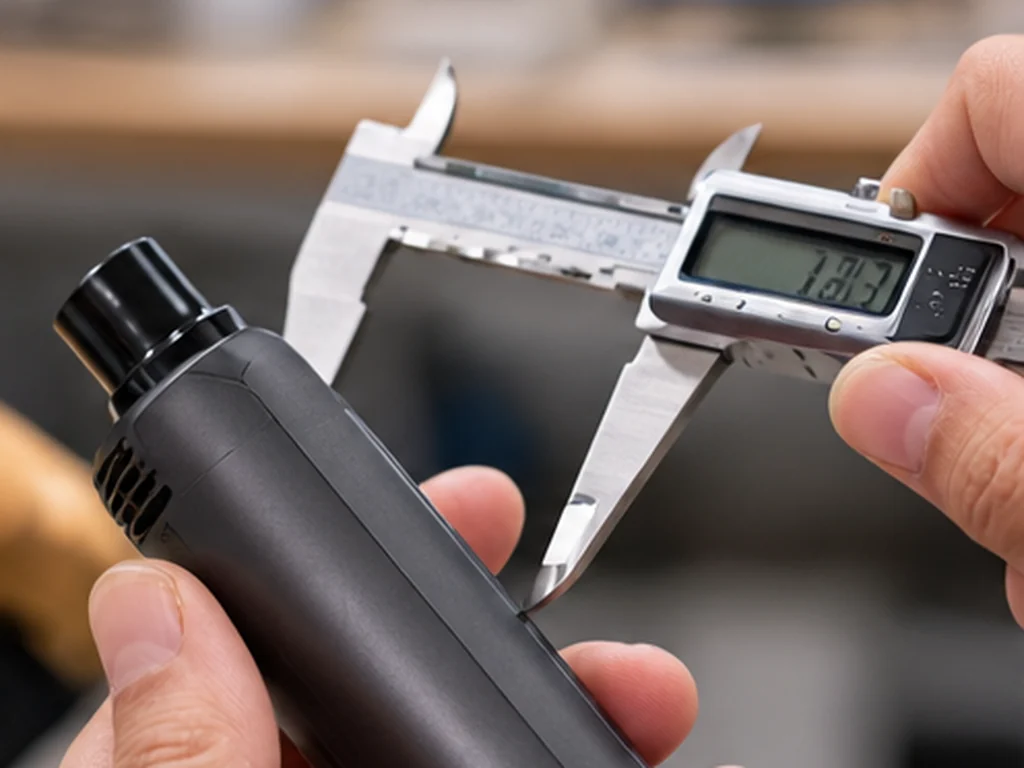
A useful technical specification distinguishes nominal values, allowed ranges and measured tolerances. Battery capacity, chamber material, electrical input, dimensions and operating modes describe different features; they should not be combined into a simplistic overall score. Where a number is quoted, check whether it is a limit, a typical value or a result under specified conditions. A photograph showing a measurement tool is illustrative and does not validate that value.
Components and compatibility
A 'ceramic chamber' statement may refer only to one component, and a USB-C connector does not establish universal fast-charger compatibility. Dimensions and weight do not establish thermal stability. If an accessory is listed as compatible, verify the manufacturer's exact part number and applicable device revision. For a medical device, the intended purpose and approved configuration take precedence over generic similarities between models.
Look for independent evidence and limits
Useful documents include user instructions, engineering test reports, recognised electrical safety certifications and an accurate description of regulatory status. One certification does not evaluate every hazard. For example, UL 8139 addresses specified electrical systems but not the physiological effects of aerosols. Treat 'clinically safe' or 'TGA approved' claims as requiring their own verifiable basis.
How to compare two product sheets
Make a list of exactly matched fields and note missing information rather than assuming equivalence. 'Operating temperature range' may refer to an internal setpoint; 'surface temperature' refers to a different physical point. Likewise, an advertised battery capacity is not a measured operating duration. Information not stated should be marked unknown. Avoid claiming formal certifications unless a valid model-specific certificate or public register entry is available.
Questions readers often ask
Does a one-degree display prove one-degree accuracy?
No. Display resolution and measurement accuracy are different.
Does a UL electrical-safety standard prove emissions are harmless?
No. Electrical tests and aerosol safety are distinct areas.
Explore related engineering topics
- Vaporiser Technology & Engineering
- Measuring Device Temperature: Surface vs Chamber
- Understanding Laboratory Tests for Electronic Heating Devices
- Vaporiser Basics
References and further reading
- USB Implementers Forum — USB Power Delivery
- UL Standards — UL 8139 scope
- Texas Instruments — Battery management integrated circuits
- Therapeutic Goods Administration — Vapes: advertising and promotion
This guide explains engineering concepts, not the safety, emissions profile, legal classification or performance of a particular product.