
In this article
Different tests answer different questionsThe importance of a repeatable protocolWhat a laboratory report should containWhat standards do—and do not—coverUnderstanding uncertainty and regulationThe difference between a test and approvalQuestions readers often askDoes passing one electrical standard mean the aerosol is safe?Can a laboratory comparison be trusted without test conditions?Explore related engineering topicsReferences and further readingRelated articles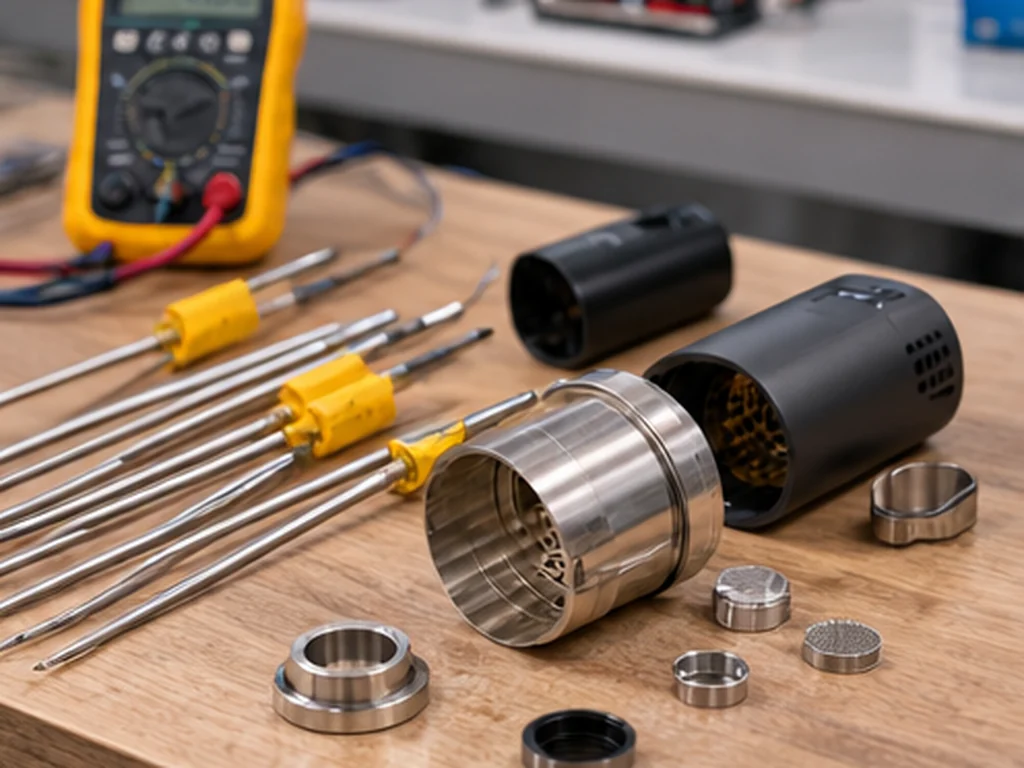
Laboratory testing helps separate measurable device performance from impressions or advertising claims. A robust test programme defines the question, the equipment, the operating conditions and the uncertainty before reporting a result.
Different tests answer different questions
Electrical safety testing considers faults involving current, charging, wiring and protective behaviour. Thermal performance testing considers temperature, heat-up time and stability under stated conditions. Airflow testing may measure pressure drop at selected flow rates. Materials or emissions testing investigates different aspects of exposure. A favourable result in one area should not be presented as proof that every other risk has been evaluated.
The importance of a repeatable protocol
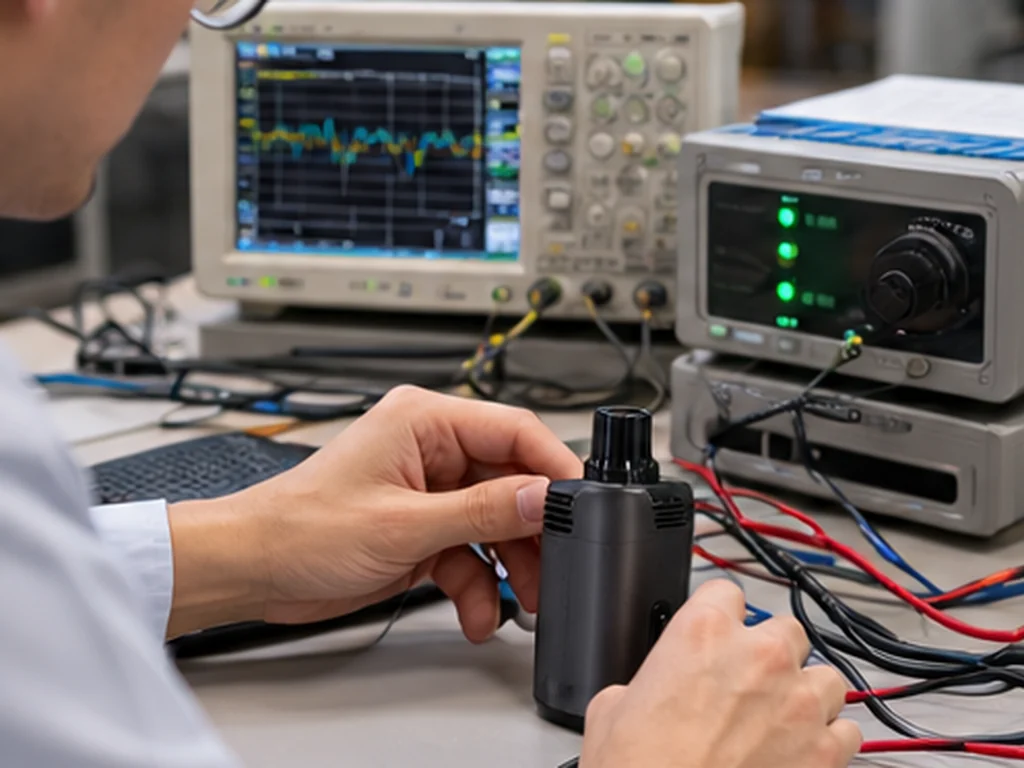
Comparisons should specify ambient temperature, power input, starting conditions, firmware, test load and where sensors were placed. Measurements taken after a device has already warmed may not represent a cold start. Repeated trials help reveal variation. When aerosols are studied, the collection and analysis method must also be described; a temperature graph alone cannot establish their chemical composition.
What a laboratory report should contain
A credible report identifies the device and firmware version, test objectives, equipment, calibration, ambient conditions, procedure and results. A single attractive thermographic image may help explain the procedure but cannot replace the data. Replication and traceability matter: another competent operator should be able to understand what was measured, where and why. A stated standard must be applicable to the product and the precise test performed.
What standards do—and do not—cover
UL 8139 addresses specified electrical systems of vaping devices and expressly excludes consumables and emissions from its scope. ISO 20768 defines conditions for a routine analytical vaping machine used for particular vapour products; it does not itself define every product, substance or analytical method, and it must not be assumed to apply automatically to all dry-herb systems. Standard names matter only when their actual scopes and versions are understood.
Understanding uncertainty and regulation
A complete report identifies instruments, calibration, repeatability, acceptance criteria and observed limitations. A certification for one standard is not a universal declaration of safety or Australian market authorisation. For regulated devices, consult the intended-use documentation and relevant regulatory records. Independent evidence deserves attention, but only when the test actually examines the claim being made.
The difference between a test and approval
Laboratory performance testing can describe electrical, thermal or mechanical behaviour. It does not automatically establish the permitted Australian supply route, a medical-device inclusion, or authorisation for public advertising. Those are separate regulatory questions. Readers should distinguish a manufacturer's internal engineering test, a third-party laboratory report and an official regulator's record. When the evidence is absent, the most accurate conclusion is that the claim cannot be verified from the information provided.
Questions readers often ask
Does passing one electrical standard mean the aerosol is safe?
No. Electrical-system standards and emissions evaluations cover different hazards.
Can a laboratory comparison be trusted without test conditions?
It is difficult to interpret or reproduce results that omit the method and operating conditions.
Explore related engineering topics
- Vaporiser Technology & Engineering
- How to Read Technical Specifications of a Vaporiser
- Measuring Device Temperature: Surface vs Chamber
References and further reading
- UL Standards — UL 8139 scope
- ISO — ISO 20768:2018 scope
- Therapeutic Goods Administration — Vapes: advertising and promotion
- IUPAC Gold Book — Aerosol
This guide explains engineering concepts, not the safety, emissions profile, legal classification or performance of a particular product.