
In this article
A vapour is a gas-phase substanceWhat an aerosol isVapour, aerosol and airflow are related but differentHow the pathway changes the streamWhy precise wording matters for health claimsWhat an airflow photograph cannot establishQuestions readers often askIs aerosol just another word for water vapour?Can a stream change after leaving the heater?Explore related engineering topicsReferences and further readingRelated articles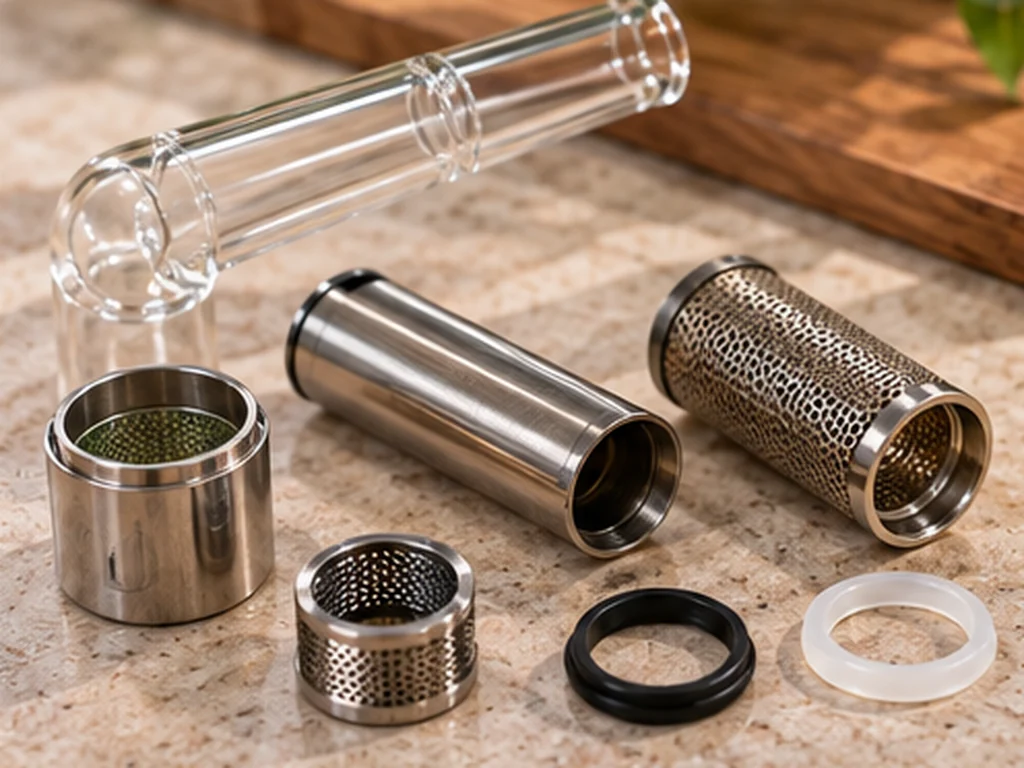
Vapour and aerosol are often used as if they mean the same thing. In engineering and chemistry, they describe different concepts. Clear terminology helps readers interpret device specifications, research and public-health information.
A vapour is a gas-phase substance
When a substance is in the gaseous phase, it is a vapour or gas depending on context. Gas molecules are not the same as suspended liquid droplets. As a heated stream cools or mixes with other air, some constituents may condense into small liquid particles. Heating systems can also produce particles through other processes. The output therefore cannot be assumed to remain entirely gas-phase from heater to outlet.
What an aerosol is
IUPAC defines an aerosol as particles of liquid, solid or both dispersed in a gas. Particle size, concentration and composition are separate properties. An aerosol can be visible or invisible, and visibility is not a reliable chemical test. The word 'vapour' in an industry product name is not proof that the emitted stream is free of particles, contaminants or harmful constituents.
Vapour, aerosol and airflow are related but different
In physics, a vapour is the gaseous phase of a substance. An aerosol consists of liquid or solid particles dispersed in a gas. Material may evaporate at a heated surface and then condense into aerosol particles as it cools and mixes with air. The precise process depends on composition and temperatures. A visible cloud is therefore not proof of pure gas, and photographs cannot determine particle size or chemical constituents.
How the pathway changes the stream
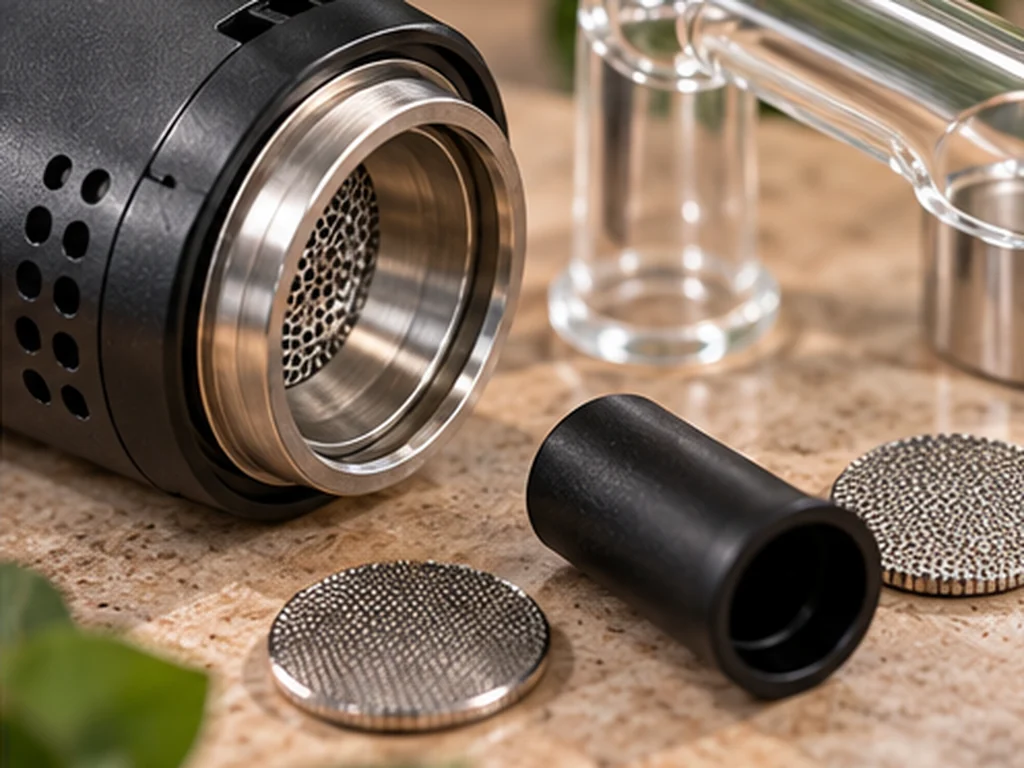
As the stream moves through a passage, its temperature and composition can change through cooling, condensation and contact with surfaces. Bends, seals, filters and the material used inside the pathway may affect what reaches the outlet. Engineers study transport through the whole system, not merely the point where heat is generated. These changes also mean that measurements taken at different positions may not be directly comparable.
Why precise wording matters for health claims
The absence of visible smoke does not demonstrate that an aerosol is safe. Public-health agencies identify potential harmful constituents in certain e-cigarette aerosols, but findings should not be generalized indiscriminately across every device type or material. Claims require evidence specific to the product and conditions assessed. Technical explanations should not be turned into a recommendation to inhale aerosols.
What an airflow photograph cannot establish
A transparent mouthpiece helps readers locate physical parts but says nothing about actual emission chemistry. Measuring aerosols requires suitable collection and analytical techniques under defined test conditions. Flow paths can influence cooling and deposition, but they are only one part of a much larger system. Technical wording should not imply that a particular aerosol is safe or beneficial merely because a device heats without an obvious flame.
Questions readers often ask
Is aerosol just another word for water vapour?
No. An aerosol contains suspended particles; it is not simply gaseous water.
Can a stream change after leaving the heater?
Yes. Cooling and mixing can change particle formation and composition.
Explore related engineering topics
- Vaporiser Technology & Engineering
- Airflow Path Design in Portable Devices
- Understanding Laboratory Tests for Electronic Heating Devices
- Vaporiser Basics
References and further reading
- IUPAC Gold Book — Aerosol
- US CDC — E-cigarettes and aerosols
- NASA Glenn Research Center — Heat Transfer
This guide explains engineering concepts, not the safety, emissions profile, legal classification or performance of a particular product.