
In this article
Mapping the full routeGeometry and flow resistanceAir paths include more than the visible tubeAirflow changes temperatureSeals and maintenanceComparing claims about isolated air pathsQuestions readers often askDoes a longer pathway guarantee cooler aerosol?Why do small screens matter?Explore related engineering topicsReferences and further readingRelated articles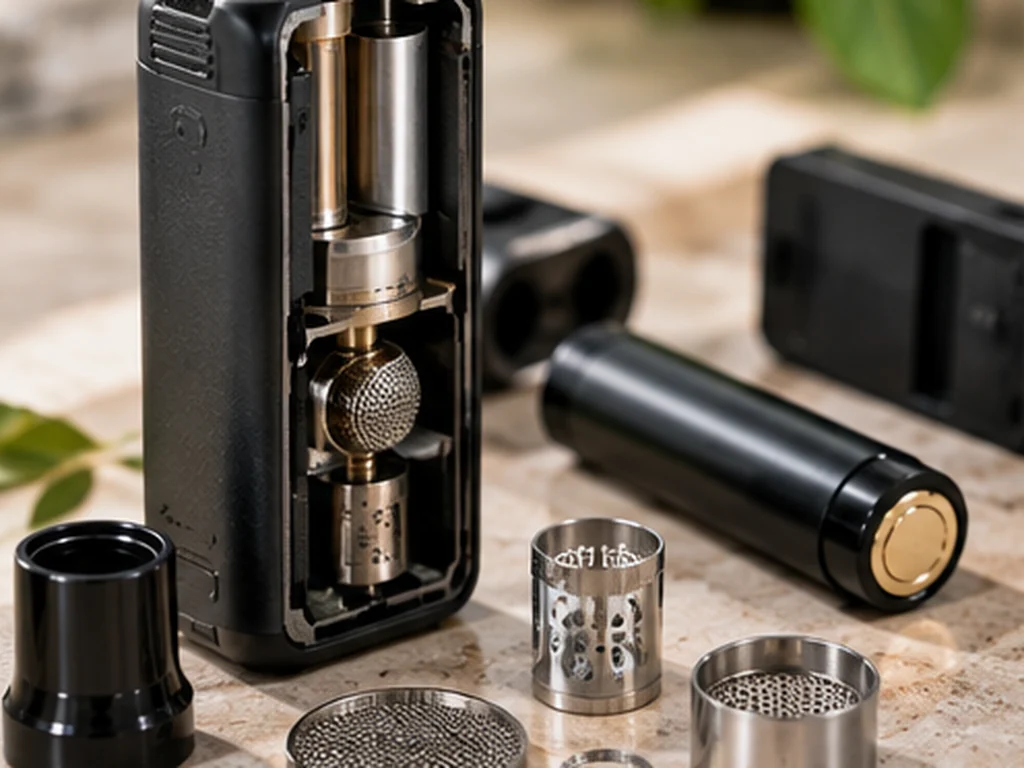
An airflow path is the network of openings, channels and components through which air moves inside a device. Its design influences pressure loss, temperature and which materials may contact the air or aerosol stream.
Mapping the full route
A typical pathway can include an inlet, a heating region, a chamber, seals, a filter or screen and an outlet. Not every design uses every part, and the order can differ. Engineers document the full route because a component outside the main chamber can still influence temperature and air quality. Marketing that highlights one isolated material tells only part of the story unless it identifies all relevant flow-contact surfaces.
Geometry and flow resistance
Narrow channels, abrupt bends, small perforations and obstructed screens all produce pressure losses. Surface roughness and changes in channel area also matter. A design must balance compact packaging against predictable flow and suitable thermal exchange. The difference between a straight tube and a multi-turn route can be significant, but actual performance must be measured at comparable flow rates and with the same test conditions.
Air paths include more than the visible tube
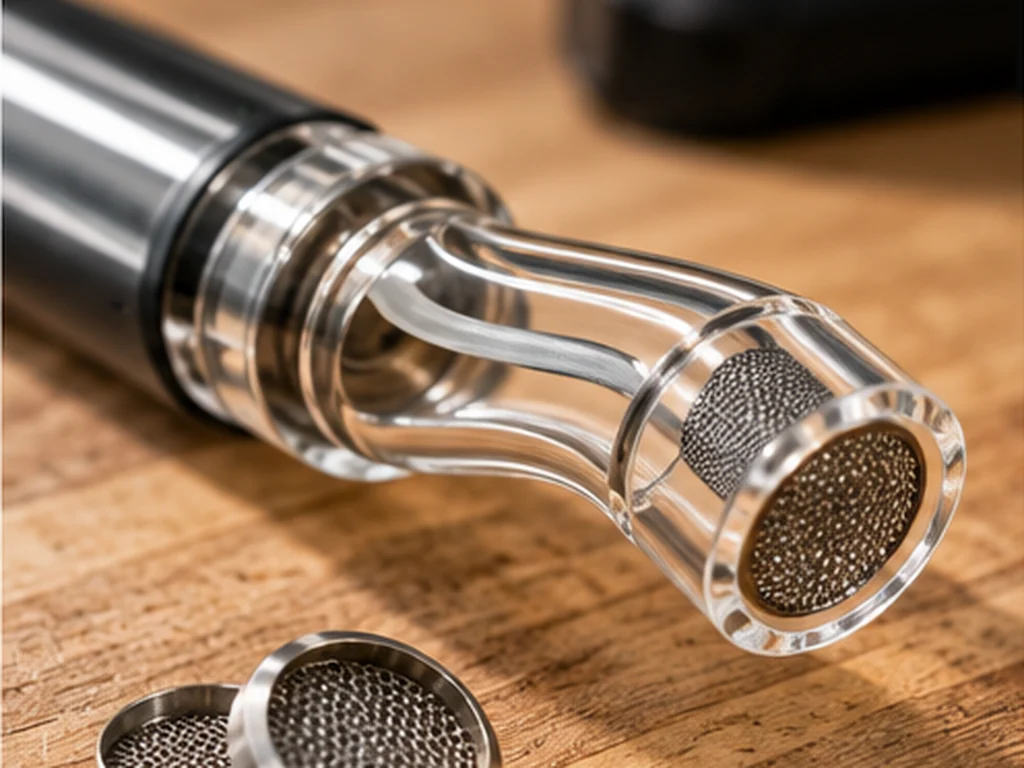
A flow route can include entrance openings, screens, a chamber, cooling channels, elbows, seals and a mouthpiece. Each turn and restriction contributes to pressure loss and changes where heat is exchanged. A visually short passage is not necessarily a low-resistance passage. Narrow holes may provide useful particle retention but also affect flow, particularly when residue changes their effective opening.
Airflow changes temperature
Moving air carries energy into or out of a heated region. If the flow changes, the heater and chamber can experience a different thermal load. A controller may then need time to compensate. Consequently, a device that performs consistently with one laboratory airflow setting might behave differently under other conditions. Technical reports should state the flow conditions used for temperature testing.
Seals and maintenance
Gaskets help maintain the intended route. A worn seal, displaced screen or blocked channel can change resistance and bypass patterns. Users should consult the manufacturer's maintenance guidance rather than experimenting with non-approved replacements, especially for regulated medical devices. The broader device safety and maintenance guide explains why inspection matters.
Comparing claims about isolated air paths
Descriptions such as 'isolated airflow' are meaningful only when the maker defines what is separated from the intended air route. A cross-section may show gaskets and ducts, but construction materials, assembly tolerances and test conditions are important too. Without those facts, a photograph should not be treated as proof of air cleanliness, contamination levels or suitability for inhalation.
Questions readers often ask
Does a longer pathway guarantee cooler aerosol?
No. Temperature depends on material, flow, geometry and exchange with surrounding surfaces.
Why do small screens matter?
They can change pressure loss and flow distribution; they also require appropriate maintenance.
Explore related engineering topics
- Vaporiser Technology & Engineering
- Air Resistance and Draw Pressure: Technical Basics
- Vapour and Aerosol Pathways: Engineering Terms
References and further reading
This guide explains engineering concepts, not the safety, emissions profile, legal classification or performance of a particular product.