
In this article
Electrical fit is more than plug fitWatch for abnormal charging behaviourKnow when to seek replacementsA practical checklistAn everyday situationA detail worth rememberingWhen to stop and seek adviceFrequently asked questionsDoes higher advertised wattage guarantee faster charging?Can I adapt a different voltage supply myself?Related readingSources and further informationRelated articles
Chargers and adaptors deserve the same scrutiny as the device they power.
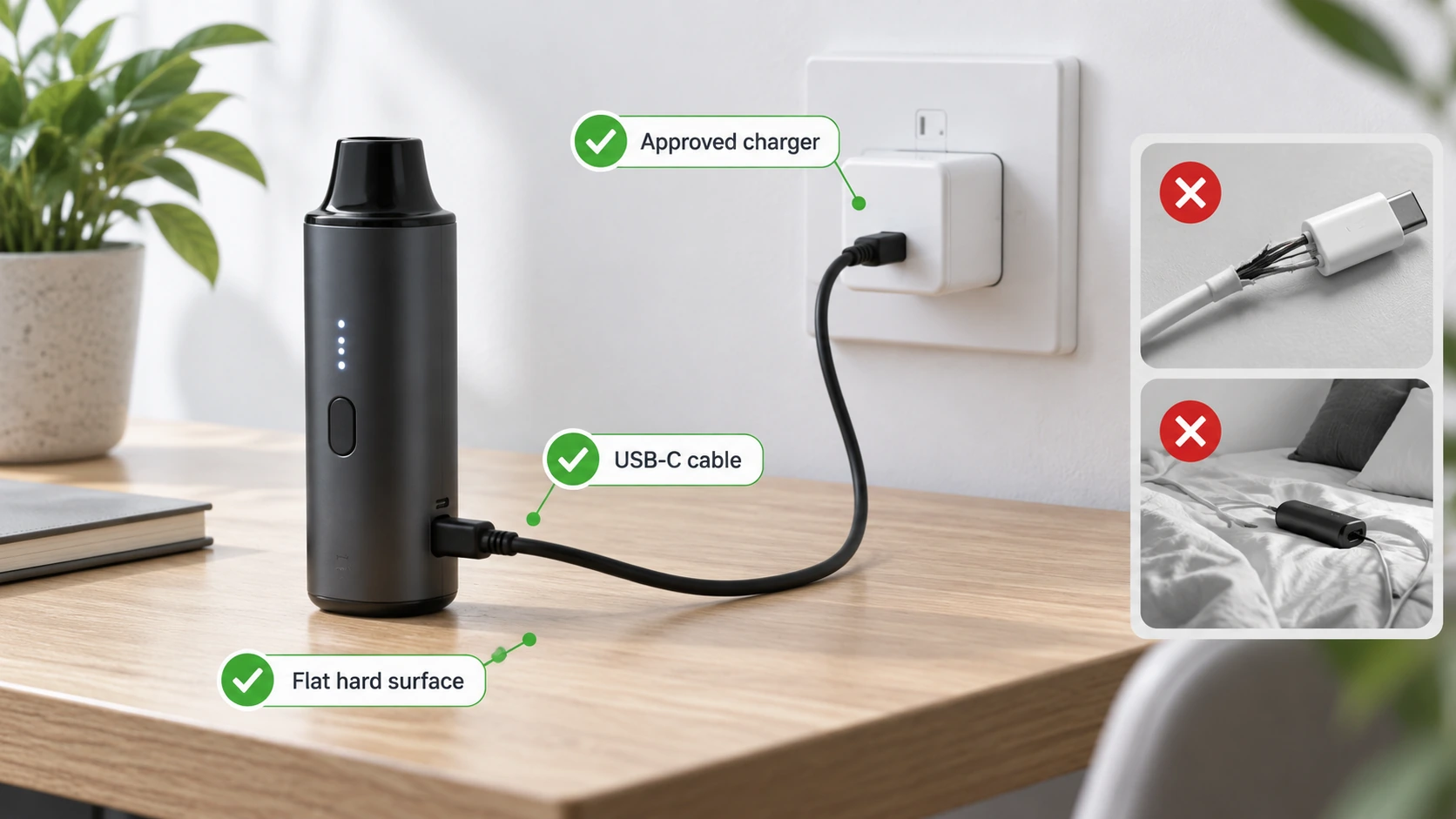
At a glance: Match the charger to written model requirements. Reject damaged, scorched or counterfeit-looking equipment.
Electrical fit is more than plug fit
The shape of an adaptor plug or USB connector does not confirm the electrical output, permitted protocol or device compatibility. Look for the manufacturer’s stated requirements, reliable construction and product identification. Low-quality or counterfeit adaptors may use misleading labels and omit protections. Avoid improvised adaptors, cut-and-spliced cables or damaged sockets, even when they appear to charge normally.
Watch for abnormal charging behaviour
Stop if the adaptor, cable or device becomes unusually hot, smells abnormal, makes sparking sounds or shows visible damage. A cable with exposed conductors, crushed insulation or a loose connector should be taken out of service. Keep charging equipment away from fabric, wet surfaces and items blocking ventilation. The ACCC advises charging on non-flammable surfaces, monitoring charging and using the supplied charger or a reputable product recommended by the manufacturer.
Know when to seek replacements
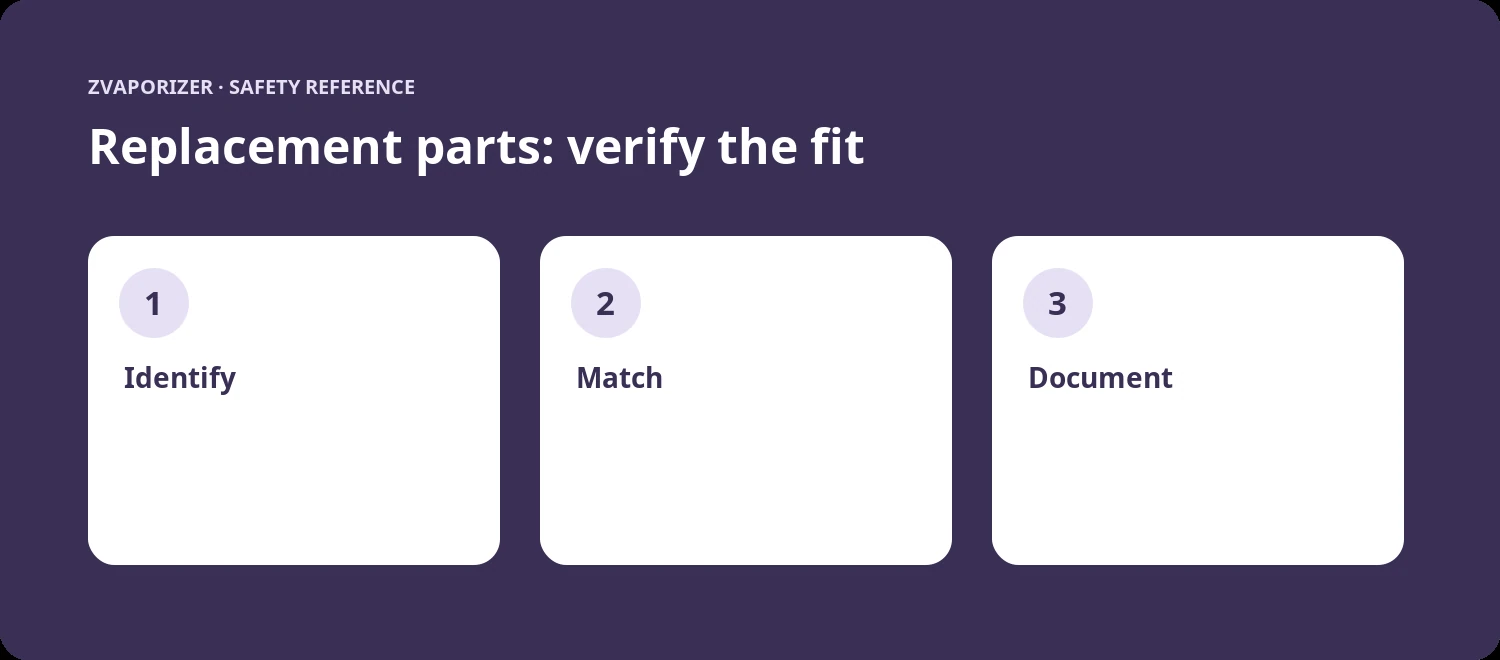
For a lost adaptor, obtain specifications from the official manual or manufacturer support rather than guessing voltage and current requirements. For removable lithium-ion cells, approved charging equipment should be matched to the specific chemistry and pack design. Never leave a battery on charge to “recover” it after abnormal shutdown, swelling or moisture exposure. If repeated charging faults occur, stop and have the system assessed rather than buying more random cables.
A practical checklist
- Match the charger to written model requirements.
- Reject damaged, scorched or counterfeit-looking equipment.
- Keep charging on a hard, dry, non-flammable surface.
- Stop using any charger associated with abnormal heat or odour.
An everyday situation
A charger is advertised as 'fast' and physically connects, but the owner cannot verify support for the device’s specified profile. The sensible choice is to use the recommended charging equipment instead. Fast charging claims are not evidence of suitability for every connected product.
A detail worth remembering
Damaged cords and loose sockets require action even if the battery still charges. A sporadic fault can be an early sign of poor electrical contact.
When to stop and seek advice
| What you notice | Sensible response |
|---|---|
| Normal maintenance question | Check the official manual for the exact device model. |
| Possible deterioration or persistent fault | Stop the activity and contact the supplier or manufacturer. |
| Heat, swelling, venting, smoke or fire | Prioritise safety; for an active hazard evacuate and call **000**. |
Frequently asked questions
Does higher advertised wattage guarantee faster charging?
No. Supported charging protocols and device limits determine what power can be accepted.
Can I adapt a different voltage supply myself?
No. Use only manufacturer-specified electrical requirements and approved equipment.
Related reading
- Vaporiser Device Safety & Maintenance Explained
- Identifying and Managing Worn Device Components
- Replacement Part Compatibility: How to Check
- Lithium-Ion Battery Safety in Portable Devices
Sources and further information
This general safety information does not replace a manufacturer’s instructions or an emergency service’s advice. It does not establish the permitted supply, advertising or use of any particular vaping good in Australia.