
In this article
Start with model identification and warningsIdentify the maintenance boundaryMake the guide useful after the first readA practical checklistAn everyday situationA detail worth rememberingWhen to stop and seek adviceFrequently asked questionsAre manuals for similar models interchangeable?Can a blog override a manufacturer’s cleaning advice?Related readingSources and further informationRelated articles
A few minutes with the safety manual can prevent mistakes about charging, cleaning and replaceable parts.
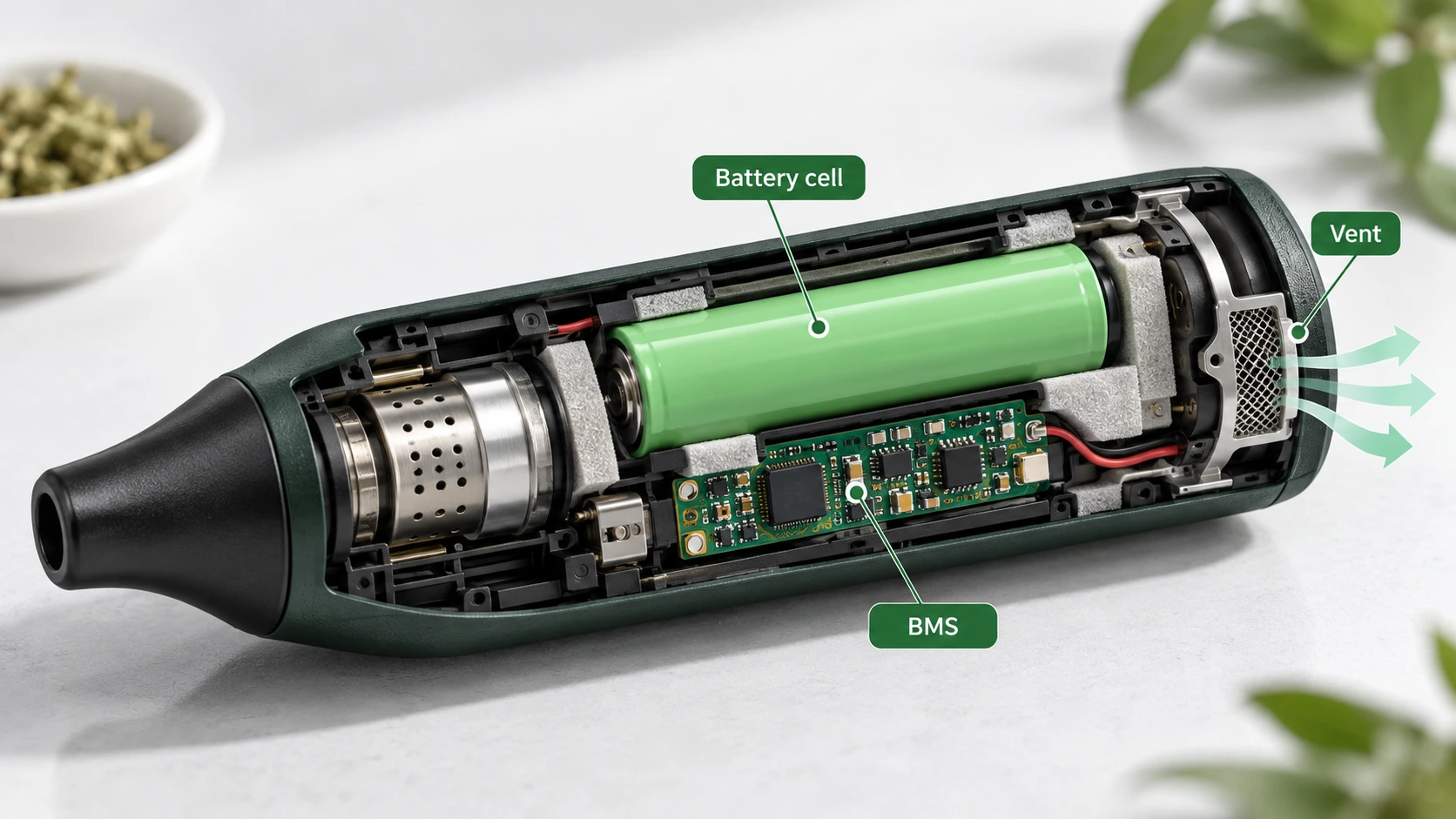
At a glance: Match the manual to the exact device and revision. Locate charging, heat, cleaning and storage warnings.
Start with model identification and warnings
Confirm the model name, revision and serial information before using downloaded instructions. Manufacturers may change battery configuration, charger requirements or serviceable parts between versions. Find the prominent warning symbols and the definitions attached to them. Distinguish instructions that are mandatory for safe operation from general maintenance suggestions. The manual may also specify an intended purpose and situations where the device must not be used.
Identify the maintenance boundary
Look for a list of user-removable components, approved cleaning agents, replacement intervals and restrictions on opening the housing. A part that looks detachable is not always designed for consumer servicing. Pay attention to any warnings about liquid near electrical contacts, exposing the heating element, using compressed air or cleaning while hot. For regulated medical devices, the instructions for use can contain additional constraints tied to the intended purpose.
Make the guide useful after the first read
Save a copy of the correct manual or the manufacturer’s official support page. Record the model and purchase documentation separately so a support team can identify the unit later. If two instructions appear to conflict—for example, a retailer blog suggests soaking a part but the manual prohibits immersion—prioritise the manufacturer’s current instructions. If the manual is missing or incomplete, ask for it instead of making assumptions based on a visually similar model.
A practical checklist
- Match the manual to the exact device and revision.
- Locate charging, heat, cleaning and storage warnings.
- Confirm which parts the user is allowed to remove.
- Save the official instructions and model identifier for later.
An everyday situation
Two models from the same manufacturer have almost identical housings. One manual permits rinsing a detachable section while another warns against submerging a slightly different assembly. An owner who looks up only the brand name could choose the wrong procedure. Exact model identification makes the difference.
A detail worth remembering
Manual diagrams and labelled part numbers are often more reliable than photographs in a third-party article. If instructions are unavailable, pause maintenance and request the official document.
When to stop and seek advice
| What you notice | Sensible response |
|---|---|
| Normal maintenance question | Check the official manual for the exact device model. |
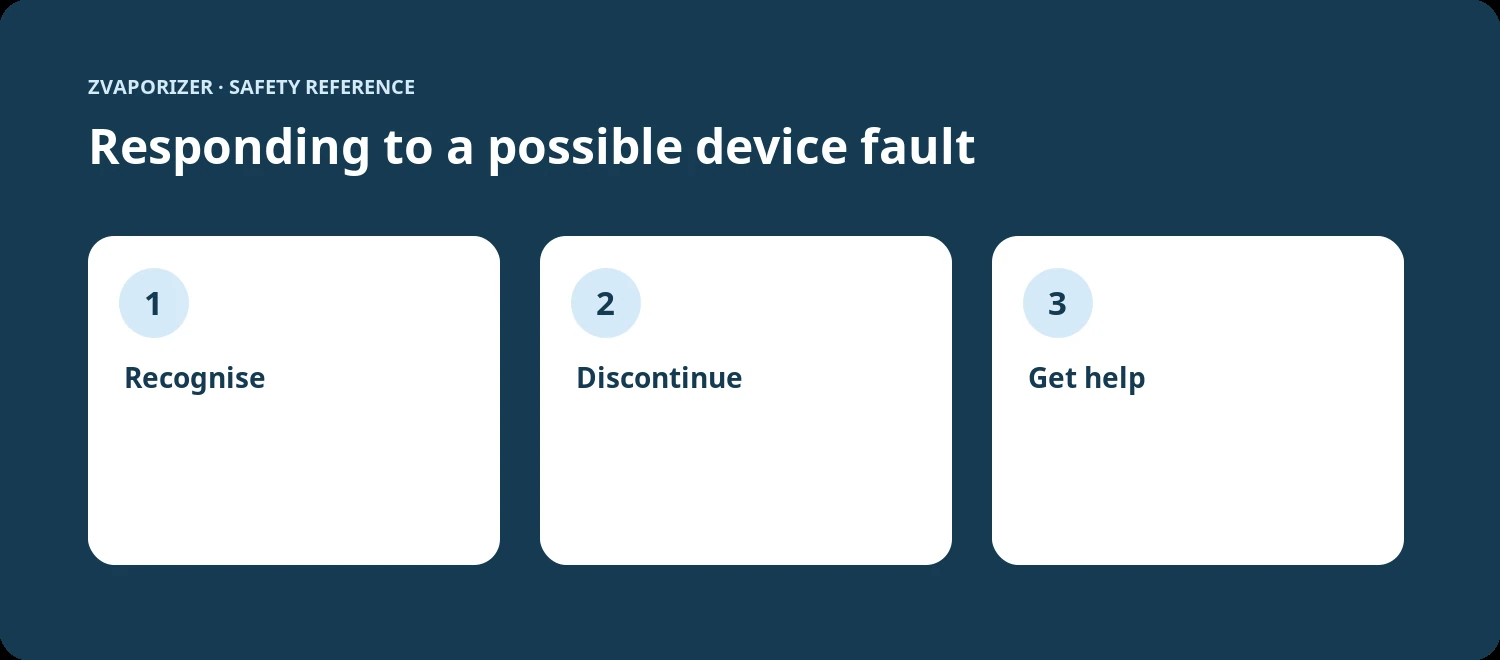
| Possible deterioration or persistent fault | Stop the activity and contact the supplier or manufacturer. |
| Heat, swelling, venting, smoke or fire | Prioritise safety; for an active hazard evacuate and call **000**. |
Frequently asked questions
Are manuals for similar models interchangeable?
No. Small model revisions can change charging requirements, materials and service procedures.
Can a blog override a manufacturer’s cleaning advice?
No. General articles cannot replace instructions for a specific device.
Related reading
- Vaporiser Device Safety & Maintenance Explained
- Understanding Overheating Warnings
- Thermal Cut-offs and Automatic Shut-off Features
- Lithium-Ion Battery Safety in Portable Devices
Sources and further information
- ACCC Product Safety — Lithium-ion batteries guide
- Therapeutic Goods Administration — Determining whether content is advertising
This general safety information does not replace a manufacturer’s instructions or an emergency service’s advice. It does not establish the permitted supply, advertising or use of any particular vaping good in Australia.