
In this article
What each material generally contributesHeat response differs from temperature limitsMaterials are selected as systems, not slogansWhy the complete air path mattersCleaning compatibility and wearThermal cycling and interfacesQuestions readers often askIs glass always the best heating chamber material?Does 'medical grade' mean the whole device is approved?Explore related engineering topicsReferences and further readingRelated articles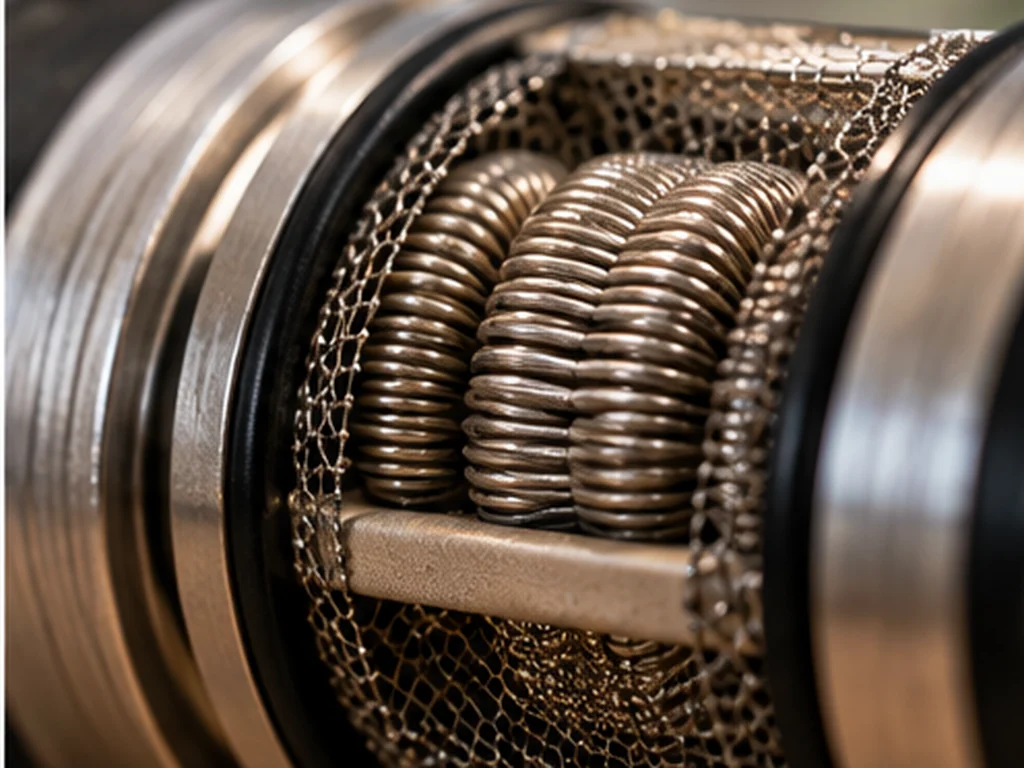
Ceramic, stainless steel and glass appear frequently in descriptions of heating chambers. These names are helpful starting points, but no single material label proves that an entire device is suitable for every temperature, substance or cleaning process.
What each material generally contributes
Stainless steel offers mechanical strength and can be manufactured into precise components. Ceramics vary widely: different compositions have different insulation, heat capacity and fracture properties. Borosilicate glass is valued for its thermal and chemical characteristics in many applications but can still be damaged by impacts or temperature gradients. Actual performance depends on grade, geometry, surface finish and assembly, not the generic material name alone.
Heat response differs from temperature limits
Thermal conductivity describes the rate at which energy moves through a material. Heat capacity describes how much energy is needed to change its temperature. Expansion describes how dimensions change with temperature. A component can be temperature-resistant yet transfer energy relatively slowly. Another may conduct heat readily but expose neighbouring parts to unwanted temperatures. Engineers assess these properties alongside stresses, seals and electronic components.
Materials are selected as systems, not slogans
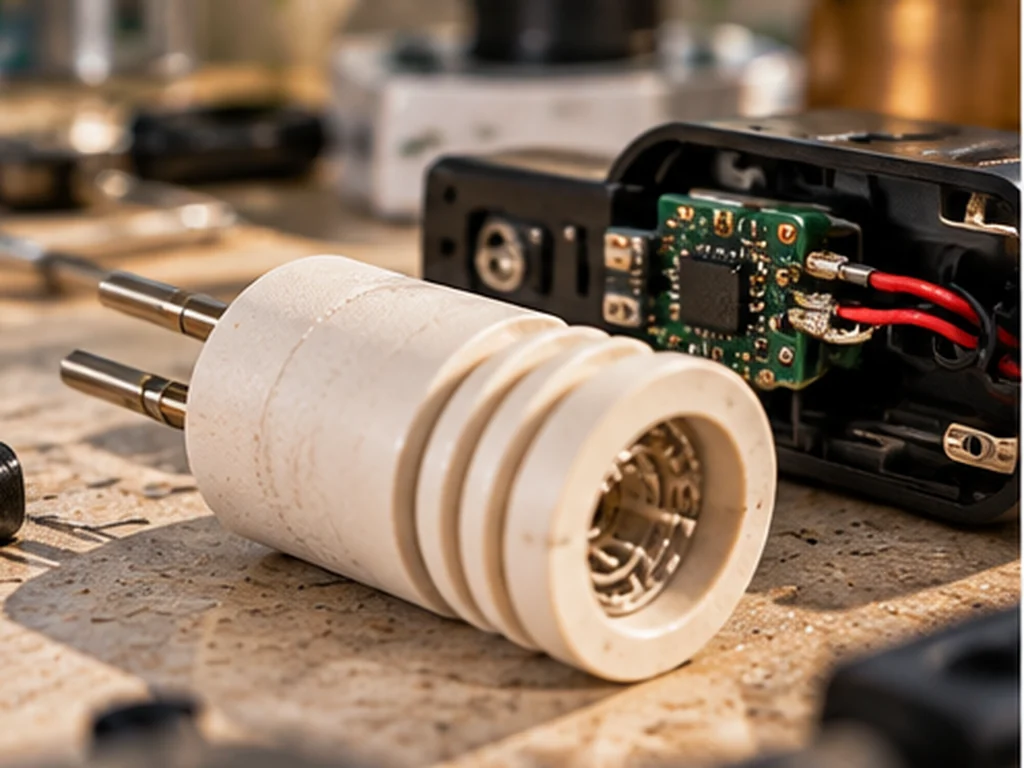
Stainless steel, technical ceramics and glass all appear in heating assemblies, but their performance depends on grade, thickness, surface finish and how they are mounted. Ceramics vary widely in composition and porosity. Glass can resist certain chemicals yet be fragile under impact or rapid temperature changes. Stainless steel grades differ in corrosion resistance and heat conduction. A material name cannot establish food-contact suitability, emissions performance or safe operating limits without specifications and testing.
Why the complete air path matters
The chamber may not be the only component in contact with flowing air. Gaskets, adhesives, screens and passages can lie upstream or downstream of it. A chamber described as 'glass' does not imply an all-glass pathway. Nor does a label such as 'food grade' automatically establish suitability for repeated heating and inhalation exposure. Those claims require application-specific evidence.
Cleaning compatibility and wear
Cleaning methods suitable for one chamber material may damage another material or neighbouring seals. Thermal cycling can also contribute to fatigue or loosening in assemblies. Manufacturer instructions, compatible replacement parts and any applicable device certification are more useful than a single marketing material claim. For regulated medical uses, the relevant intended-use documentation is essential.
Thermal cycling and interfaces
Metal and ceramic parts expand by different amounts as temperatures rise. Designers leave clearances or use compliant seals where appropriate so repeated cycles do not crack or loosen components. Cleaning instructions also depend on the exposed finish and adjoining seals, not simply the chamber material. Readers should prefer manufacturer documentation and identified material standards over general claims that any one lining is always superior.
Questions readers often ask
Is glass always the best heating chamber material?
No single material is universally best; its suitability depends on the finished design and operating environment.
Does 'medical grade' mean the whole device is approved?
No. A material descriptor is not a substitute for evidence or Australian regulatory status.
Explore related engineering topics
- Vaporiser Technology & Engineering
- What Happens Inside a Heating Chamber?
- The Role of Thermal Insulation in Device Design
References and further reading
- NASA Glenn Research Center — Heat Transfer
- UL Standards — UL 8139 scope
- Therapeutic Goods Administration — Vapes: advertising and promotion
This guide explains engineering concepts, not the safety, emissions profile, legal classification or performance of a particular product.