
In this article
From warm surfaces to temperature gradientsWhat the internal geometry doesThe chamber is part of a larger systemWhy construction materials matterMaintenance and intended useWhy load geometry changes heatingQuestions readers often askDoes chamber size alone determine performance?Is a ceramic chamber entirely ceramic?Explore related engineering topicsReferences and further readingRelated articles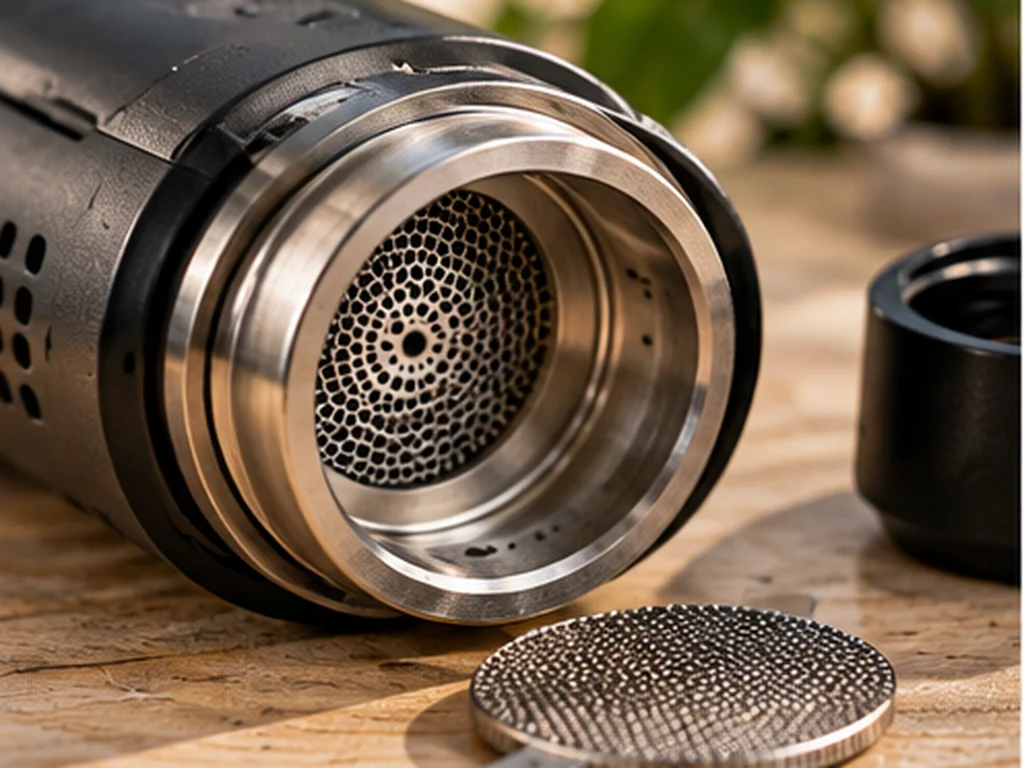
A heating chamber is the region where a device holds a material in relation to a heat source and an airflow pathway. Although it can look like a simple cup or tube, its design combines thermal, mechanical and flow considerations.
From warm surfaces to temperature gradients
The chamber wall receives energy from a heater or hot air and exchanges that energy with its surroundings. Different parts of the chamber need not reach the same temperature together. Corners, screens and areas close to the heater can behave differently from the central volume. How quickly temperature changes depend on material properties, wall thickness and available power. A nominal setpoint therefore cannot be interpreted as a uniform measurement of every surface.
What the internal geometry does
Chamber shape determines how air is distributed and which surfaces receive the most contact. Perforations, screens or channels can introduce resistance, while seals affect whether air follows the intended route. A chamber also has to accommodate assembly tolerances and thermal expansion. Manufacturers make trade-offs between cleanability, durability, thermal mass and space. An apparently larger chamber does not automatically imply better airflow or more stable heat.
The chamber is part of a larger system
A chamber must retain the intended load, conduct or resist heat as designed and withstand repeated thermal cycling. It also interacts with airflow passages, screens, seals and the surrounding casing. Openings that look similar from outside may route air in very different ways. Disassembling a consumer device can expose batteries and hot wiring; manufacturer servicing guidance is a better source of actual construction information than assumptions from a generic photograph.

Why construction materials matter
Metals, ceramics, glass and polymers have different conductivity, heat capacity and mechanical characteristics. They may be suitable for different parts of the same assembly. A protective coating or sealing compound also matters because material selection is about the finished component in its operating environment. Terms such as 'ceramic chamber' may describe only one part, not every surface in the air path.
Maintenance and intended use
The chamber can accumulate residue and may contain replaceable elements. The manufacturer's instructions define which parts can be removed, how they can be cleaned and what replacements are compatible. Do not infer that a visually fitting accessory is approved for a medical device. The chamber architecture describes engineering function; the device's authorised purpose is a separate issue.
Why load geometry changes heating
If the chamber is shallow, material can have a shorter path for heat to spread from the wall. If it is deep, the thermal gradient through the load may persist longer. Surface area and packing density affect contact, voids and pressure drop. The direction and size of those effects depend on the entire design. A chamber's stated capacity therefore says little on its own about uniformity or thermal performance.
Questions readers often ask
Does chamber size alone determine performance?
No. Heater design, flow path, wall material and control strategy also matter.
Is a ceramic chamber entirely ceramic?
Not necessarily. The label may refer to one liner or structural component.
Explore related engineering topics
- Vaporiser Technology & Engineering
- Heating Chamber Materials: Ceramic, Steel and Glass
- How Heating Elements Transfer Energy
References and further reading
- NASA Glenn Research Center — Heat Transfer
- UL Standards — UL 8139 scope
- Therapeutic Goods Administration — Vapes: advertising and promotion
This guide explains engineering concepts, not the safety, emissions profile, legal classification or performance of a particular product.