
In this article
Electrical resistance and heat generationFrom the element to the chamberResistance heating in practical assembliesHeater control and limitsEngineering evidence over labelsWhy the element's location mattersQuestions readers often askDoes more wattage always mean faster heating?Can the heater and chamber be at different temperatures?Explore related engineering topicsReferences and further readingRelated articles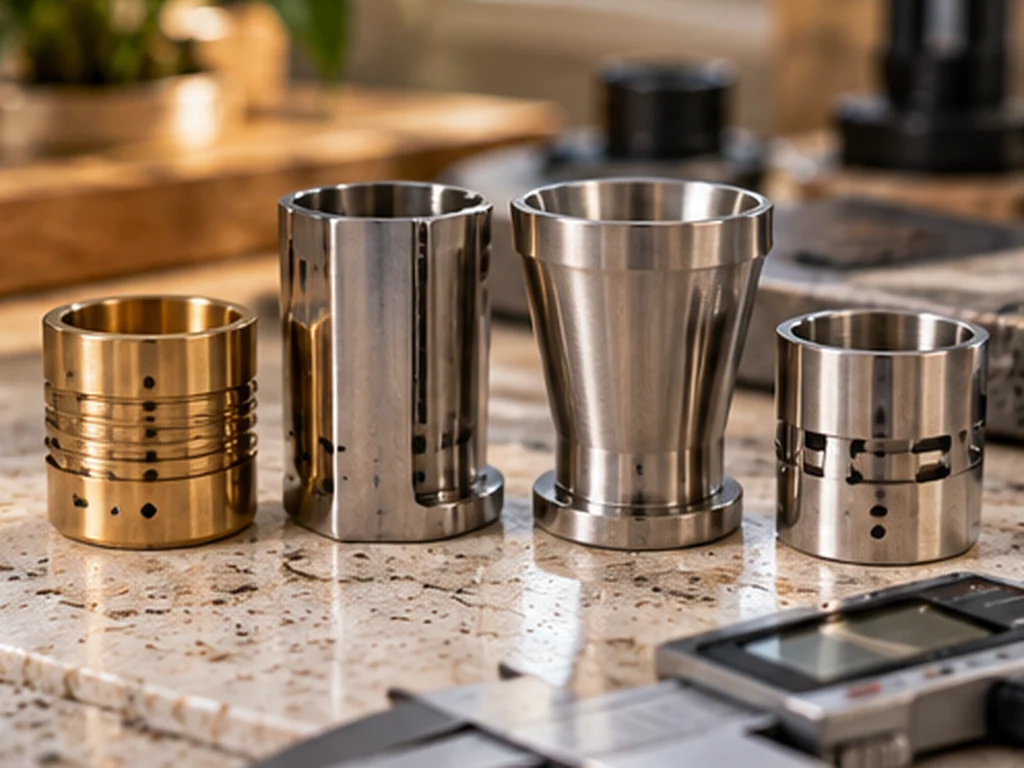
A heating element converts supplied energy into heat, after which that energy reaches the intended region through conduction, convection and radiation. Understanding these stages explains why heater wattage and chamber temperature are not interchangeable.
Electrical resistance and heat generation
Many compact electronic heaters use electrical resistance: energy is dissipated when current flows through a resistive element. The controller can vary the power delivered, while the element's electrical and thermal characteristics influence its response. The resulting temperature depends not only on input power but also on how efficiently heat is removed to the chamber, passing air and external structures. A higher rated wattage is not evidence of superior system performance.
From the element to the chamber
A heater might contact a metal chamber, warm an adjacent air channel or exchange heat with several structural components. Interfaces add thermal resistance, and each part has heat capacity. This creates a delay between applying power and reaching a stable condition. Components nearer the heater can be hotter than parts further away. Insulation may help direct energy, but no compact device eliminates heat leakage entirely.
Resistance heating in practical assemblies
Most compact electric heaters use a resistive element whose electrical energy becomes heat. The element might be a coil, trace or embedded component. Its resistance, supply voltage and thermal coupling determine how quickly electrical input can change the temperature. A powerful element is not automatically an efficient device: power can be lost to the casing and surrounding air, and the controller may deliberately limit output to protect components.
Heater control and limits
Power delivery is typically subject to control firmware and protective circuitry. Under changing conditions, the controller may reduce power, increase power or interrupt operation. The maximum heater rating, normal operating power and external adapter rating are different figures. Users should not substitute an incompatible power source or modify electrical components to increase heating performance.
Engineering evidence over labels
A useful specification explains the power source, temperature measurement location, steady-state operation and protective mechanisms. A heater type or wattage alone says little about actual emissions, material compatibility or regulatory status. Those questions require separate analysis and documentation.
Why the element's location matters
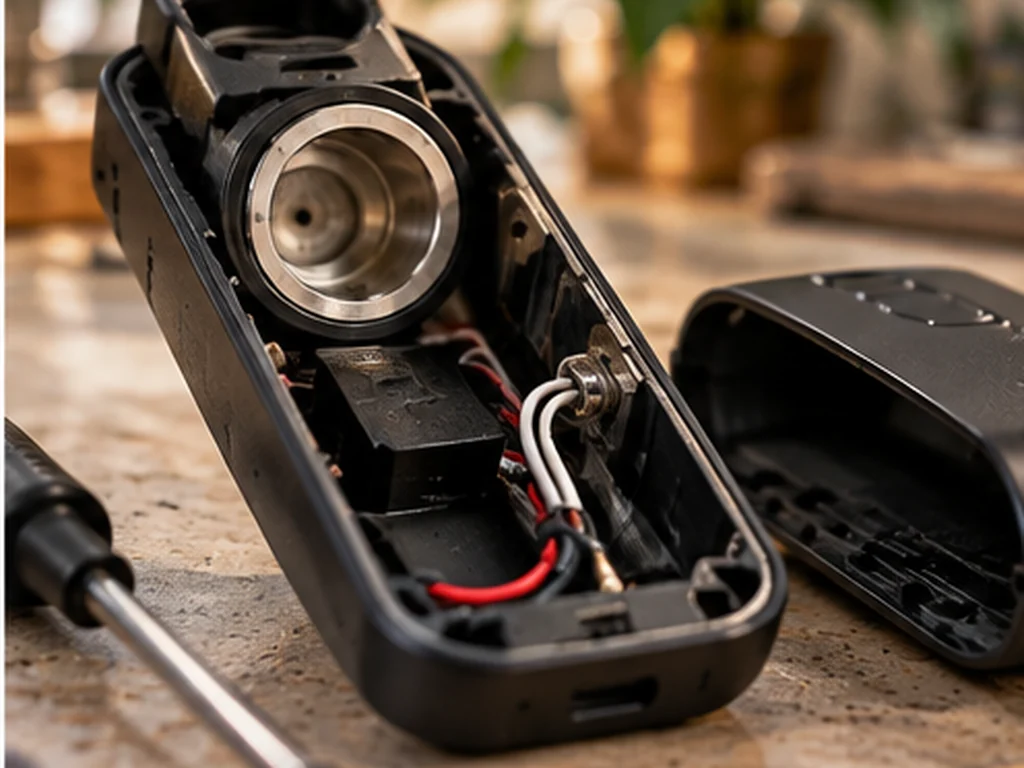
An element bonded beneath a metal cup sends heat through the cup before it reaches material. A heater upstream of the air path may transfer most of its energy to moving air. Insulators and supports determine which surfaces become hot in either design. Maintenance should not involve accessing electrical heating elements without the manufacturer's service procedure; photographs of an exposed element illustrate engineering only.
Questions readers often ask
Does more wattage always mean faster heating?
Not necessarily. Thermal mass, heater coupling and control limits also affect warm-up.
Can the heater and chamber be at different temperatures?
Yes. Temperature differences drive heat transfer between them.
Explore related engineering topics
- Vaporiser Technology & Engineering
- What Happens Inside a Heating Chamber?
- Understanding Heat-up Time and Thermal Stability
References and further reading
- NASA Glenn Research Center — Heat Transfer
- UL Standards — UL 8139 scope
- Texas Instruments — Battery management integrated circuits
This guide explains engineering concepts, not the safety, emissions profile, legal classification or performance of a particular product.