
In this article
Connector versus charging protocolWhy cables are part of the systemUSB-C is the shape, not the charging agreementCharging limits and temperatureHow to read USB claimsWhat changes charging behaviourQuestions readers often askDoes every USB-C device support USB PD?Does a 100 W adapter mean the device charges at 100 W?Explore related engineering topicsReferences and further readingRelated articles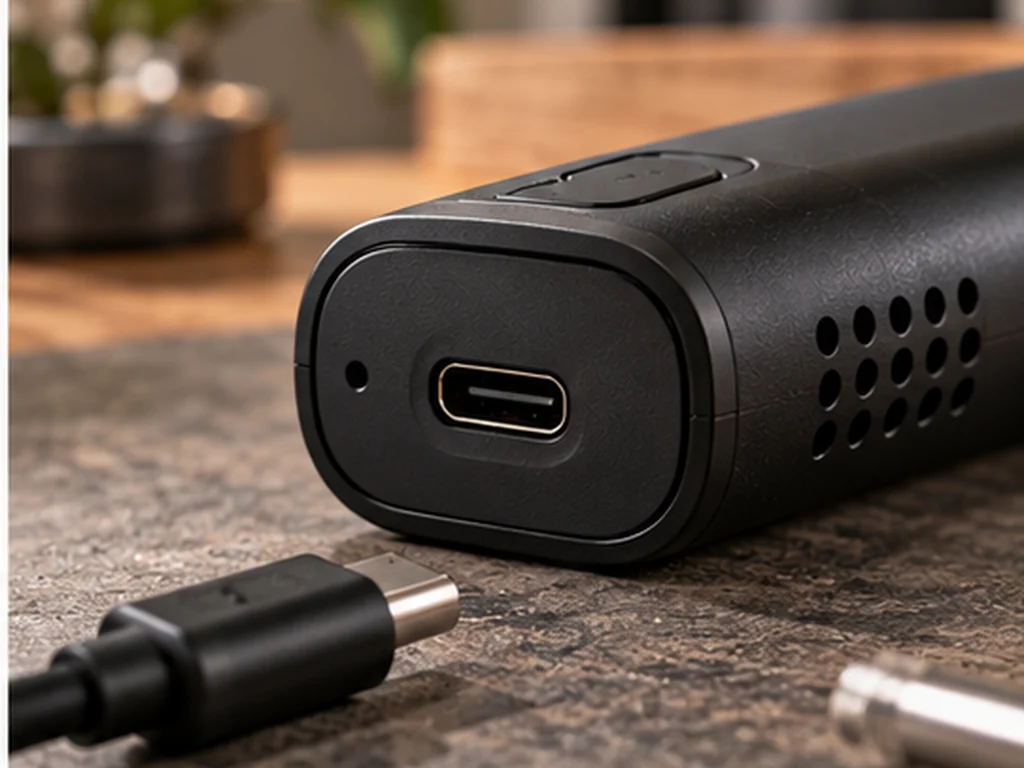
USB-C describes a connector ecosystem; USB Power Delivery (USB PD) is a separate specification used for negotiating certain power arrangements. A USB-C socket on a portable device does not automatically mean it supports every charger, cable or charging mode.
Connector versus charging protocol
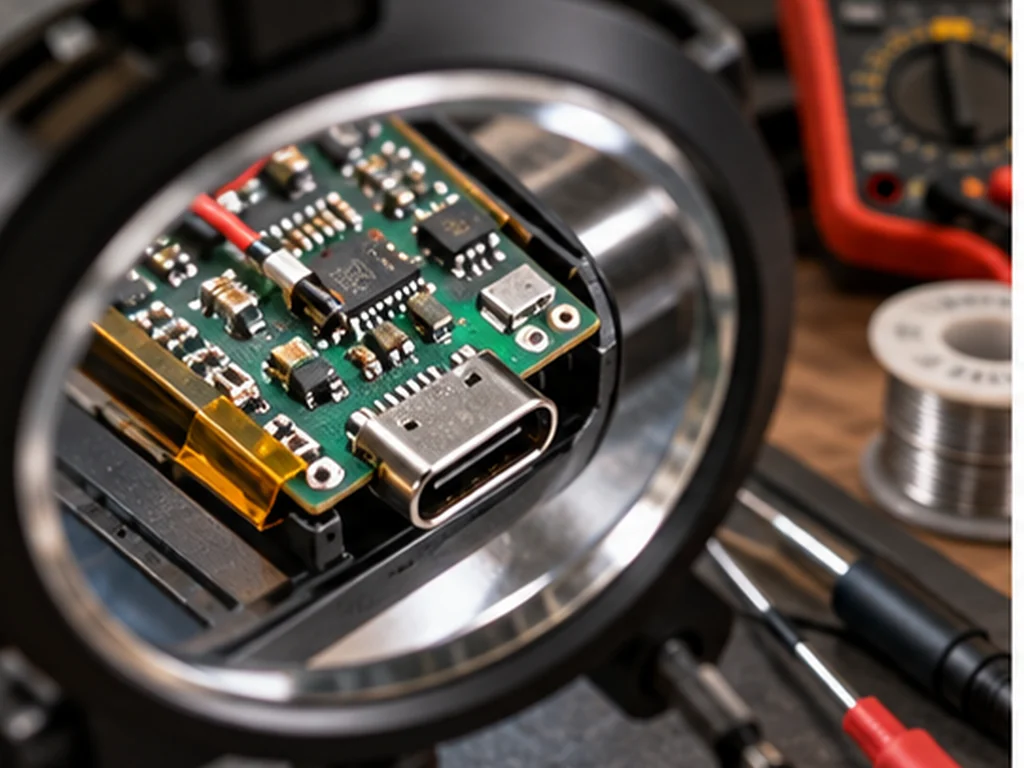
A device can have a USB-C receptacle while supporting only a basic power input. Other devices communicate through USB PD to request an available voltage and current profile. The charging-controller circuitry then manages what the battery actually receives. Power negotiated at the port is not the same as energy passed directly into the battery; charging management and protective functions remain necessary.
Why cables are part of the system
USB-C cables differ in supported power and data capabilities. USB-IF publishes standards and certification information covering connectors and cables. Some high-power configurations depend on suitable cables with defined capabilities. The presence of identical-looking connectors does not prove the whole chain is compatible. Manufacturers specify acceptable adapters, cables and operating conditions for their products.
USB-C is the shape, not the charging agreement
A USB-C socket identifies a connector family. It does not prove the product supports every USB Power Delivery voltage, cable feature or high-power mode. Devices may use basic USB supply or a negotiated power profile. A charger and cable must be suitable for the device's stated requirements. Labelling such as 'USB-C fast charging' should be supported by charging measurements and manufacturer specifications, not the port's appearance.
Charging limits and temperature
Lithium-ion charging is controlled according to cell requirements and device design. Thermal monitoring may slow, suspend or prevent charging if conditions are outside permitted bounds. A high-rated power adapter does not force a compliant product to accept that full rating, but an incompatible or defective charging setup can still create hazards. Never infer safe compatibility from connector shape alone.
How to read USB claims
Look for exact input ratings, whether USB PD is supported, supplied-cable requirements and authorised charger information. 'Fast charging' without test conditions is not a complete technical specification. A certified cable does not by itself certify the device. See the separate guidance on battery safety for wider precautions.
What changes charging behaviour
Charge duration depends on allowable current, temperature, battery condition, control firmware and whether the device is simultaneously drawing power. Some batteries accept higher power when partly charged and lower current near the end. A compliant charger is only one part of the system. A damaged cable or unstable connector can create additional risk, so users should follow the exact charging guidance supplied with their device.
Questions readers often ask
Does every USB-C device support USB PD?
No. The connector and the optional power-negotiation protocol are different things.
Does a 100 W adapter mean the device charges at 100 W?
No. Actual power is limited by compatible negotiation and the device's charging design.
Explore related engineering topics
- Vaporiser Technology & Engineering
- Battery Management Systems in Portable Electronics
- How to Read Technical Specifications of a Vaporiser
- Safety & Maintenance
References and further reading
- USB Implementers Forum — USB Power Delivery
- USB Implementers Forum — Cables and connectors
- Texas Instruments — Battery management integrated circuits
This guide explains engineering concepts, not the safety, emissions profile, legal classification or performance of a particular product.