
In this article
What a BMS can monitorFuel gauges are not the same as protectorsThe BMS is not just a percentage displayWhy lithium batteries need defined boundariesInterpreting technical documentationLimits of protection hardwareQuestions readers often askDoes a BMS prevent every battery fire?Is a battery-percentage icon a safety certification?Explore related engineering topicsReferences and further readingRelated articles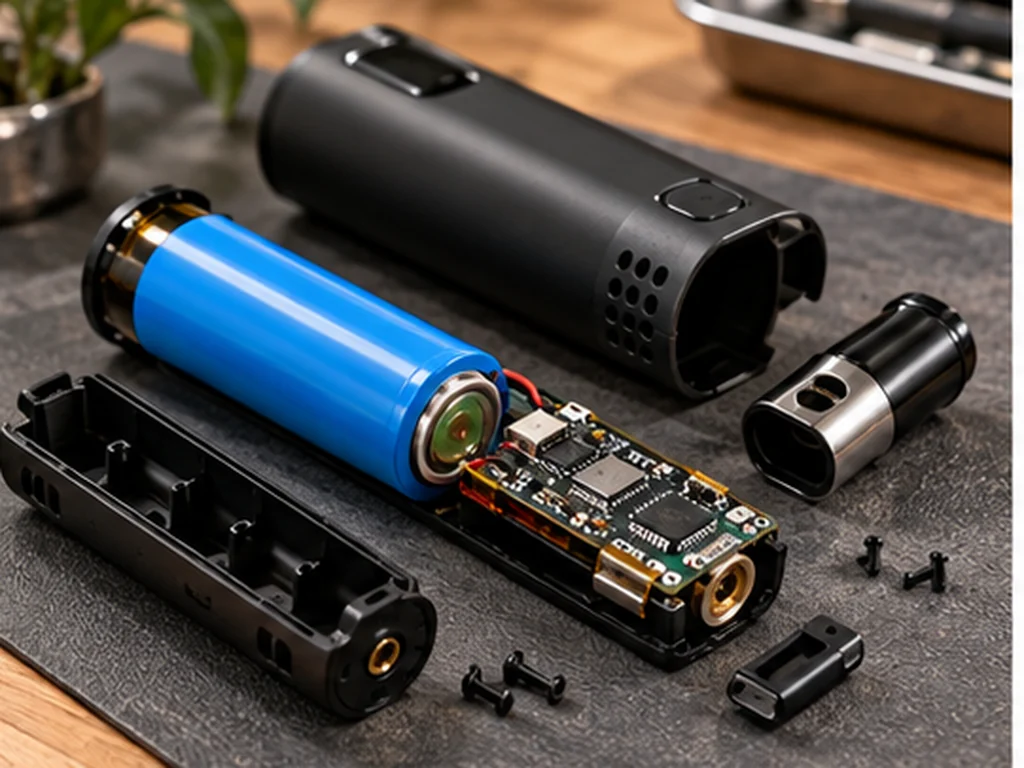
A battery management system (BMS) is the circuitry and software responsible for monitoring and protecting rechargeable cells. It does not simply estimate battery percentage: depending on the design, it may help enforce voltage, current and temperature limits.
What a BMS can monitor
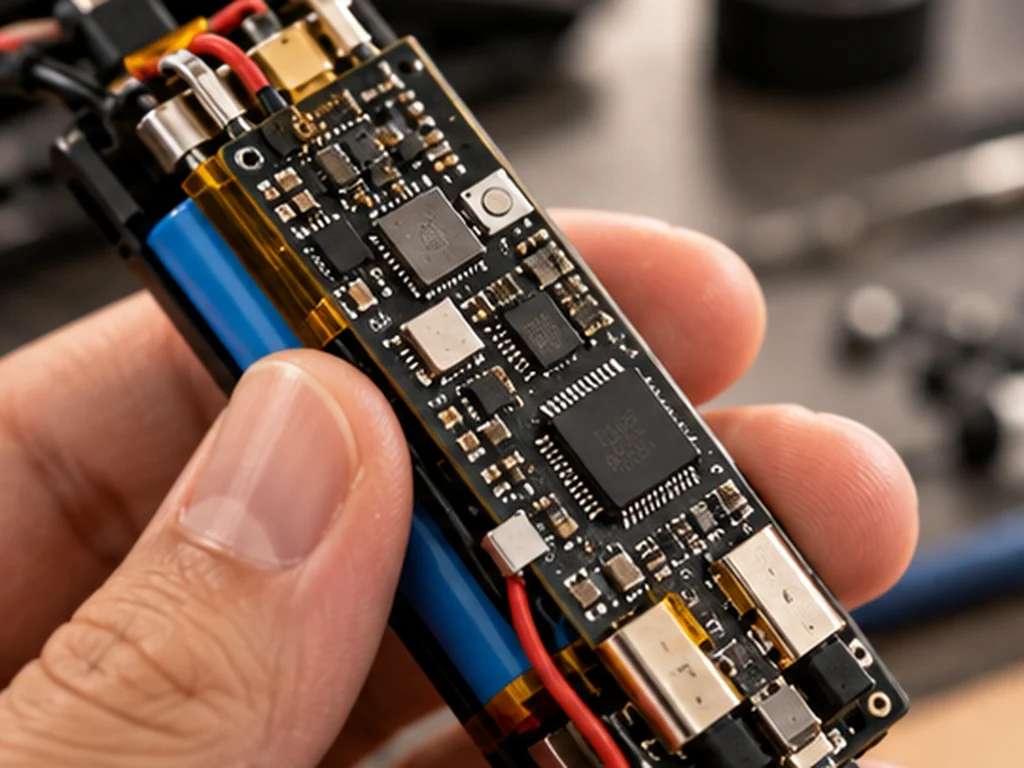
Integrated battery-monitor circuits can track cell voltage, battery current and temperature. Protection logic may respond to overcharge, excessive discharge, short-circuit conditions or temperatures outside an allowed range. Some multi-cell batteries also use cell balancing. A one-cell portable product can have a relatively simple protection arrangement, while a larger pack may require more elaborate monitoring. The exact features vary; the term BMS should not be read as a guarantee of every possible safeguard.
Fuel gauges are not the same as protectors
A state-of-charge estimate aims to express the remaining usable energy. It may combine electrical measurements with models of battery behaviour and age. Protective circuitry instead acts when a limit is reached, for example by reducing or disconnecting current. A device can show an approximate battery percentage without communicating all diagnostic information. Likewise, a protector may operate independently of what appears on the display.
The BMS is not just a percentage display
Battery-management electronics monitor or limit electrical conditions such as overcharge, excessive discharge, overcurrent and temperature. Some designs also estimate state of charge. A displayed percentage is only an estimate derived from a model, not a direct measurement of stored energy. Protection functionality depends on the actual circuit, its configuration and the cells used. A USB charging feature does not mean every product implements the same safeguards.
Why lithium batteries need defined boundaries
Cell chemistry, temperature, charge state and physical condition influence safe operating limits. Heat generated by the nearby heater adds a packaging challenge. Recharging with the wrong equipment or using damaged cells can defeat assumptions of the design. Battery safety guidance recommends manufacturer-approved charging arrangements and avoiding unauthorised battery modifications. Protection systems reduce certain risks but cannot eliminate them.
Interpreting technical documentation
Look for descriptions of cell type, charging input, protection functions and supported replacement procedures. A claim of 'smart battery' is too vague to establish what the system monitors. Products used in Australia must also be evaluated according to any applicable electrical and vaping-goods requirements, separately from the BMS feature list.
Limits of protection hardware
A protection circuit may disconnect a load under defined fault conditions; it cannot prevent physical damage, overheating caused by an external source or every unsafe charging scenario. Cell chemistry, mechanical containment and thermal design remain important. Battery repairs and replacements should follow manufacturer instructions and applicable safety requirements. A teardown photo cannot demonstrate compliance with a battery standard.
Questions readers often ask
Does a BMS prevent every battery fire?
No. It mitigates defined fault conditions but cannot eliminate manufacturing damage, misuse or every failure mode.
Is a battery-percentage icon a safety certification?
No. It indicates a user-facing estimate, not independent certification.
Explore related engineering topics
- Vaporiser Technology & Engineering
- Power Management in Battery-Powered Vaporisers
- USB-C Charging Controllers: What They Do
- Safety & Maintenance
References and further reading
- Texas Instruments — Battery management integrated circuits
- US Consumer Product Safety Commission — Batteries
- UL Standards — UL 8139 scope
This guide explains engineering concepts, not the safety, emissions profile, legal classification or performance of a particular product.