
In this article
Where the energy goesPeak power versus sustained powerPower has to serve several componentsWhy runtime is difficult to predictProtection belongs in the designWhy controls matter during voltage changesQuestions readers often askDoes a larger mAh rating always mean longer runtime?Is peak heater power the same as normal power consumption?Explore related engineering topicsReferences and further readingRelated articles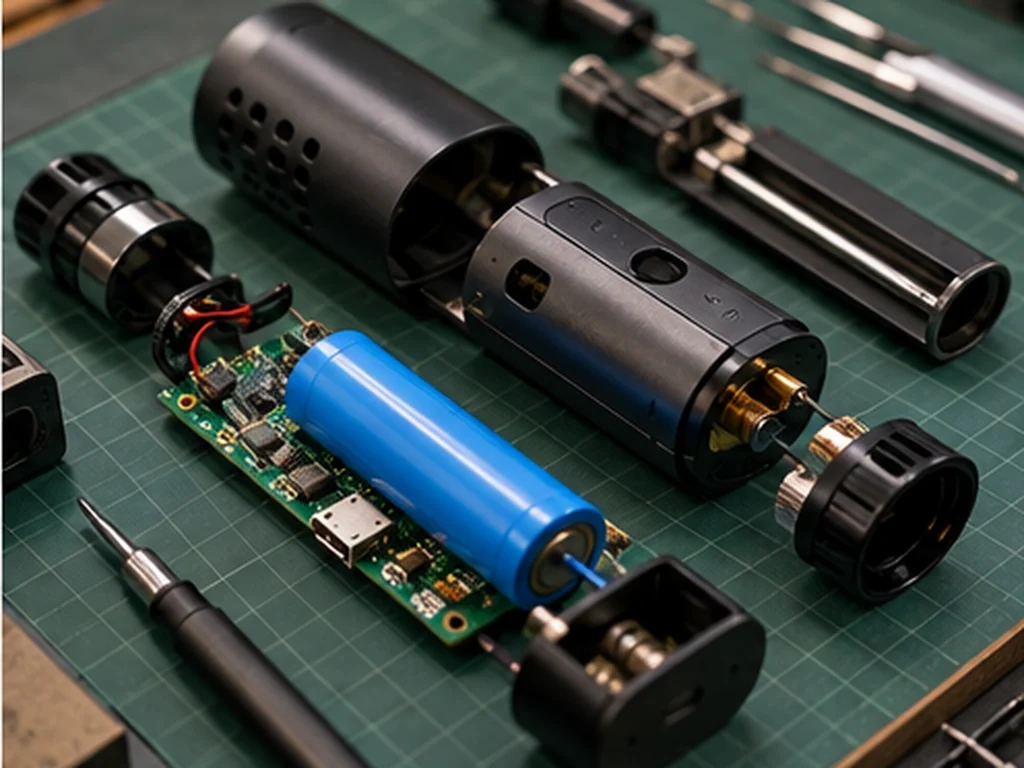
A battery-powered heater must distribute stored electrical energy among its heater, control electronics, display and protection systems. Because batteries have finite capacity and current limits, power management is fundamental to portable device architecture.
Where the energy goes
The heater often accounts for a significant share of energy demand while active, but electronics and conversion losses also consume power. Energy drawn from the battery is not all delivered to the intended chamber; some is lost in wiring, switching circuits and unintended heat paths. A nominal capacity figure cannot tell the full story unless voltage, conversion efficiency and duty cycle are considered. Battery energy is commonly expressed in watt-hours, which combines capacity and nominal voltage.
Peak power versus sustained power
A heater may draw comparatively high power during warm-up and less power during steady operation. The battery, wiring and switching devices must support permitted current under both conditions. Battery voltage changes with state of charge and load. Control electronics may compensate for this or limit power to remain within safe operating boundaries. An impressive peak-wattage figure does not reveal the actual sustained thermal behaviour.
Power has to serve several components
A portable device supplies a heater, sensors, processor, display and safety electronics from a finite battery. A high electrical power rating indicates possible input, not how long the power remains available as the battery voltage declines. Firmware can reduce heater power to manage temperature or charge level. Runtime also depends on battery ageing, standby losses and ambient temperature. Simple wattage comparisons are therefore a weak basis for predicting battery life.
Why runtime is difficult to predict
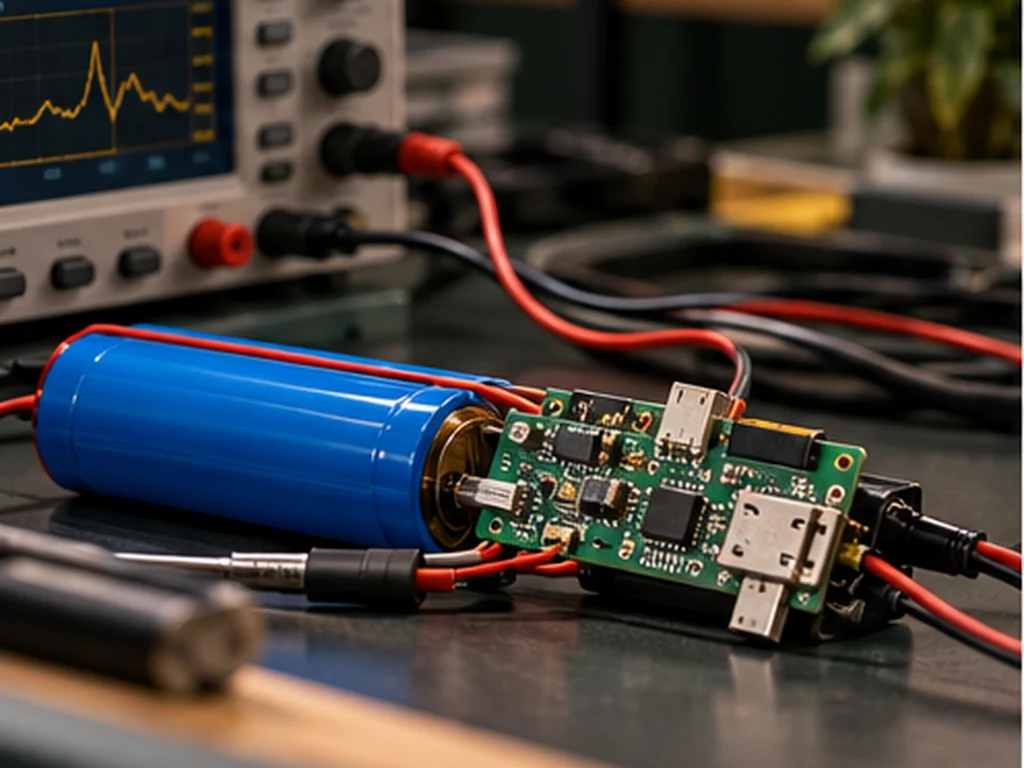
Runtime depends on energy storage, temperature targets, heating duration, ambient conditions, age of the battery and losses. A device tested under one laboratory schedule may perform differently under another. Battery capacity also diminishes over many cycles and with ageing. Readers should treat runtime claims as condition-dependent and consult the manufacturer's test method rather than expecting a universal number.
Protection belongs in the design
Current limits, undervoltage protection and thermal monitoring help keep a battery within defined limits. These systems do not make misuse harmless. Replacing cells, adapting chargers or modifying power-management components can bypass assumptions of the original design. Follow authorised operating and charging instructions.
Why controls matter during voltage changes
Battery voltage varies over a discharge cycle. A regulated supply and protection circuitry can help maintain system operation, but they introduce conversion losses and limits of their own. Measurements should distinguish energy stored in a battery from energy delivered to a heater. Never substitute a higher-current cell or charger unless the manufacturer specifically approves it for the device.
Questions readers often ask
Does a larger mAh rating always mean longer runtime?
No. Voltage, usable energy, heater load, conversion losses and test conditions also matter.
Is peak heater power the same as normal power consumption?
No. Warm-up, steady operation and standby can have different demands.
Explore related engineering topics
- Vaporiser Technology & Engineering
- Battery Management Systems in Portable Electronics
- Mains-Powered vs Battery-Powered Heating Systems
- Safety & Maintenance
References and further reading
- Texas Instruments — Battery management integrated circuits
- UL Standards — UL 8139 scope
- US Consumer Product Safety Commission — Batteries
This guide explains engineering concepts, not the safety, emissions profile, legal classification or performance of a particular product.