
In this article
Power availability and its limitsHow power source affects packagingMains and battery power serve different constraintsWhat changes during warm-up and steady operationElectrical safety and purposeComparison beyond portabilityQuestions readers often askAre desktop devices inherently more precise?Can a battery unit have a high-power heater?Explore related engineering topicsReferences and further readingRelated articles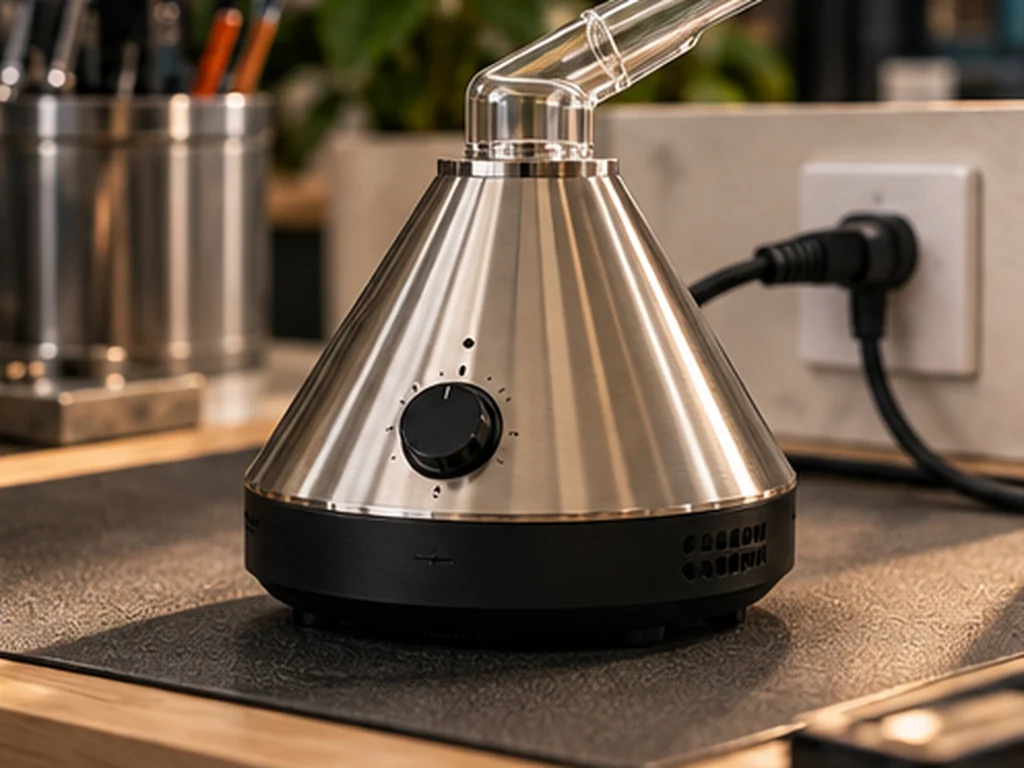
Mains-powered and battery-powered heating systems obtain energy in different ways, which affects size, control and thermal design. Neither power source, by itself, proves superior performance or medical suitability.
Power availability and its limits
A mains-powered device takes energy from an external electrical supply through appropriate power-conversion circuitry. A battery-powered system stores a limited amount of energy internally and is subject to cell current and temperature limits. The former is not energy-unlimited in practice: the power supply and heater still have ratings. The latter is not necessarily low-power: it may deliver substantial energy for short periods within design limits.
How power source affects packaging
Battery cells, charging circuits and protection components take space and create additional thermal considerations. Mains-powered assemblies can allocate that volume differently, although they may require insulation, cords and mains electrical safety measures. Portable packaging places more components near the heat source; larger assemblies may allow greater separation. Size alone is a poor stand-in for measured reliability or temperature accuracy.
Mains and battery power serve different constraints
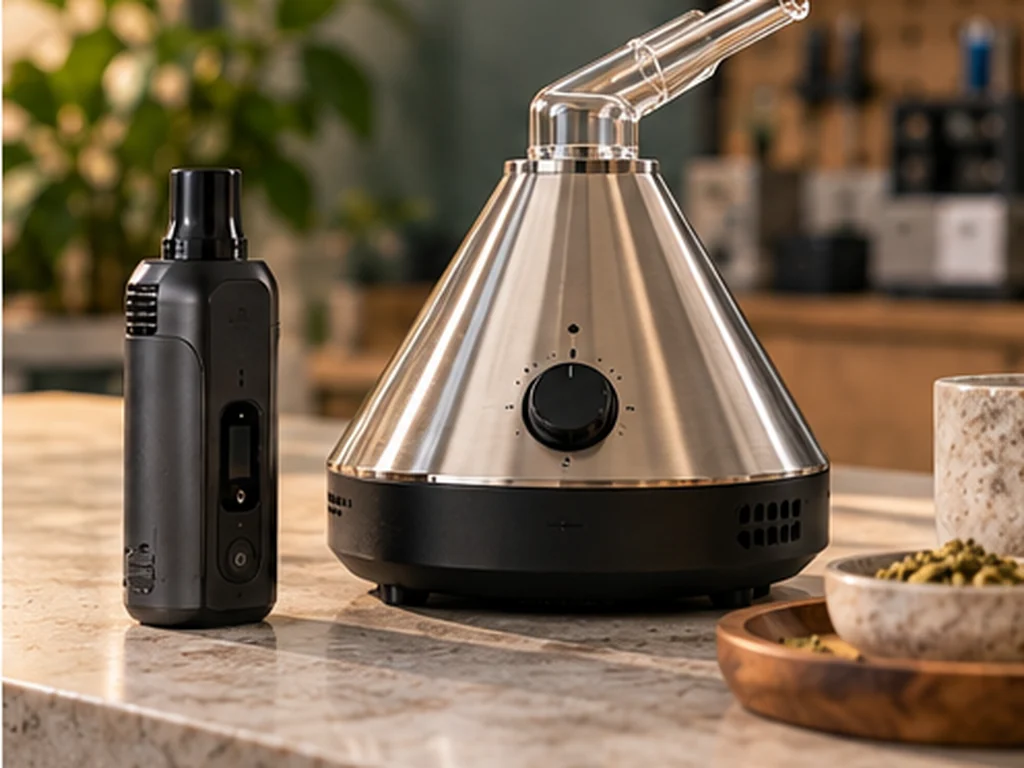
A plugged-in heater can draw from a relatively steady supply but must manage mains electrical safety and heat dissipation. A battery-operated product must package energy storage, charging and protection within a smaller volume. That difference often drives internal layout, weight and thermal isolation. Neither supply type inherently proves better temperature control: the controller and thermal design are separate factors.
What changes during warm-up and steady operation
Both architectures may employ feedback to regulate heating. Battery voltage and available current can vary as charge is depleted, while a mains-powered supply generally provides a regulated output within its rated conditions. Neither avoids thermal inertia, calibration tolerance or differences between sensor and chamber temperatures. Technical comparisons should define ambient conditions and operate within each manufacturer's specifications.
Electrical safety and purpose
Different power arrangements create different electrical hazards and test requirements. Certified adapters, adequate insulation, protection against overheating and service guidance are important. Where equipment is a medical device, its intended purpose and regulatory status cannot be established by selecting a desktop or portable format.
Comparison beyond portability
Look at measured warm-up behaviour, stability, idle consumption, standby control, shutdown protection and instructions for safe placement. A mains-powered product may have a larger heater and housing; a portable product may face tighter limits on dissipation and thermal isolation. Published specifications should be read alongside service and electrical-safety documentation. Do not infer safe use from product category alone.
Questions readers often ask
Are desktop devices inherently more precise?
No. Precision depends on sensing, control and validation rather than the power source alone.
Can a battery unit have a high-power heater?
Yes, within the design limits of its cells, electronics and thermal protection.
Explore related engineering topics
- Vaporiser Technology & Engineering
- Power Management in Battery-Powered Vaporisers
- Understanding Heat-up Time and Thermal Stability
References and further reading
- NASA Glenn Research Center — Heat Transfer
- Texas Instruments — Battery management integrated circuits
- UL Standards — UL 8139 scope
This guide explains engineering concepts, not the safety, emissions profile, legal classification or performance of a particular product.