
In this article
Surface area and volumeThermal mass and component placementSize influences heat flow in competing waysAirflow dimensions also matterA practical reading of specificationsReading drawings and product dimensionsQuestions readers often askAre small devices automatically less stable?Does greater weight guarantee better heating?Explore related engineering topicsReferences and further readingRelated articles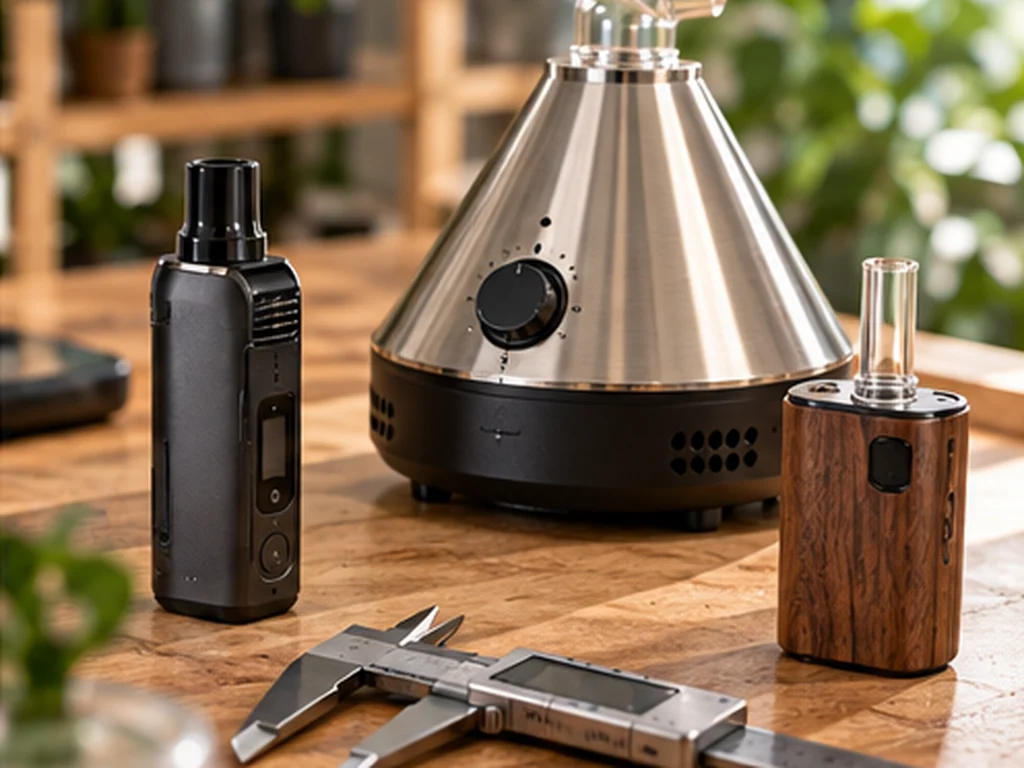
Device size influences how heat travels, how much thermal energy can be stored and how components fit together. Dimensions matter, but they do not yield a simple rule that smaller is hotter or larger is better.
Surface area and volume
As the dimensions of an object change, its volume and external area do not always change at the same rate. That influences how much material stores heat and how much surface is available to lose heat. In real devices, vents, gaps, contact with hands and external materials also change losses. A compact assembly may reach a local target quickly but leave less space for separation between hot components and electronics.
Thermal mass and component placement
Heavier walls can store more thermal energy, depending on material properties, potentially smoothing some short disturbances while slowing other responses. Batteries and controllers placed near a heater require appropriate separation and thermal management. Designers balance portability, user access, structural strength and component limits. There is no single body dimension that identifies a device's steady-state temperature behaviour.
Size influences heat flow in competing ways
A small housing provides less space between a hot chamber, power electronics and the exterior, yet also has a relatively large exposed surface compared with its volume. A larger housing can isolate components or store more heat, depending on its construction. Wall thickness, ventilation openings and insulation may be more decisive than total dimensions. A compact product is not necessarily cooler, hotter, safer or less efficient.
Airflow dimensions also matter
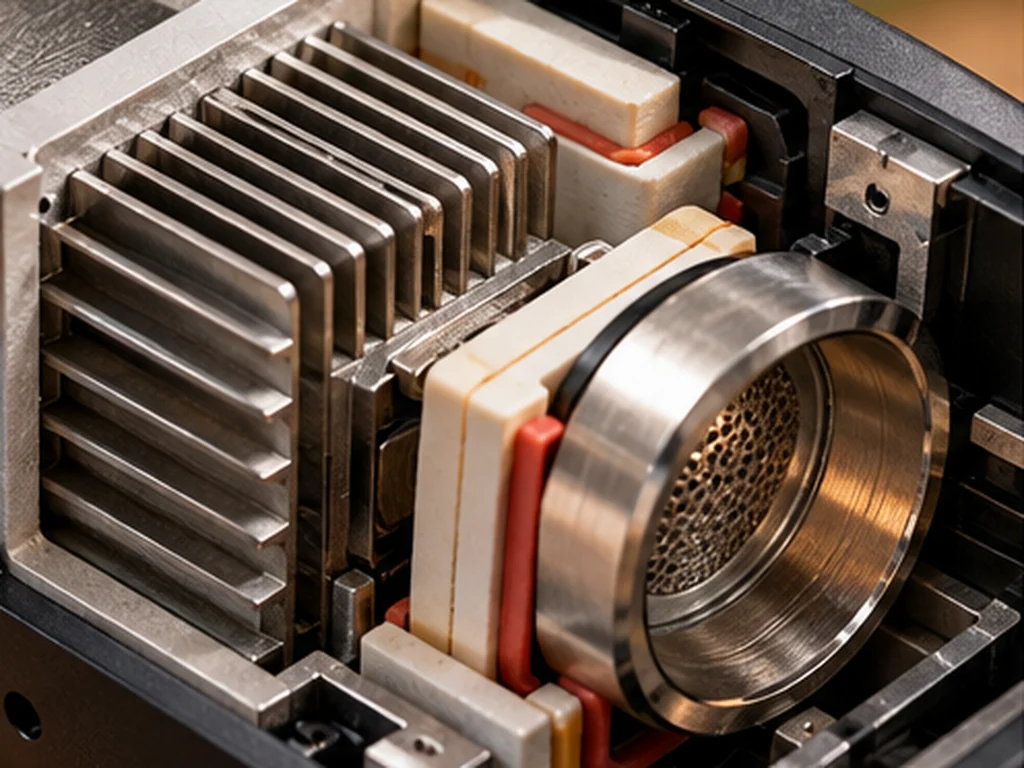
Reducing channel size can increase flow resistance and affect heat exchange. Enlarging a pathway changes available contact surfaces and may alter residence time. Chamber size is only one factor in these coupled flow and thermal effects. A sound technical comparison needs actual geometry or measured performance, not simply external length and width.
A practical reading of specifications
Width, height and weight describe the physical package; they are not performance certifications. Readers should also look for surface-temperature test results, thermal-control methods, battery safeguards and the intended use. A product's legal status in Australia is not decided by its physical format.
Reading drawings and product dimensions
Dimensions tell you whether an enclosure will fit in a space and may reveal the layout's constraints. They do not describe internal thermal clearances or contact materials. Product diagrams should specify which measurements include a removable mouthpiece or other attachments. Claims about case temperature require tests at the relevant contact surfaces, not extrapolation from width or mass.
Questions readers often ask
Are small devices automatically less stable?
No. Stability depends on the integrated thermal design and control system.
Does greater weight guarantee better heating?
No. Where the mass is located and how it couples to the heater are also important.
Explore related engineering topics
- Vaporiser Technology & Engineering
- The Role of Thermal Insulation in Device Design
- Understanding Heat-up Time and Thermal Stability
References and further reading
This guide explains engineering concepts, not the safety, emissions profile, legal classification or performance of a particular product.