
In this article
What happens at the contact surface?Why geometry changes the resultContact, gaps and real-world temperature gradientsTemperature is not a single numberWhat should readers take from a specification?Why the surrounding assembly mattersQuestions readers often askDoes conduction require direct contact?Is conduction temperature always constant?Explore related engineering topicsReferences and further readingRelated articles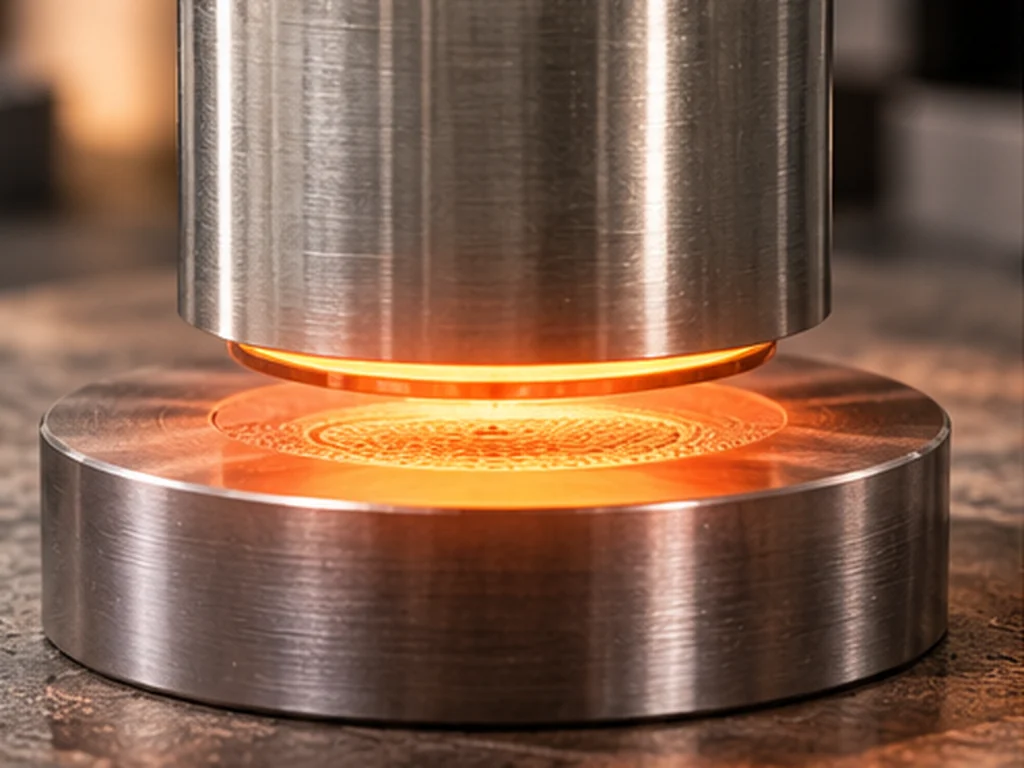
Conduction heating transfers energy into a material through contact with a warmer surface. In an electronic heating device, the chamber wall may act as both a container and a heat-transfer surface. Understanding this mechanism helps explain why a controller's temperature reading cannot describe every point inside a chamber.
What happens at the contact surface?
Where a material touches a warm chamber wall, energy moves from the higher-temperature wall towards the cooler material. The effective transfer depends on the temperature difference, the actual contact area and the materials involved. A smooth-looking chamber is not perfectly flat at microscopic scale. Small gaps, uneven loading and differences in thermal conductivity all affect the process. The material nearest the wall may warm before material nearer the centre. As time passes, heat spreads within the load, but the system does not necessarily become uniform.
Why geometry changes the result
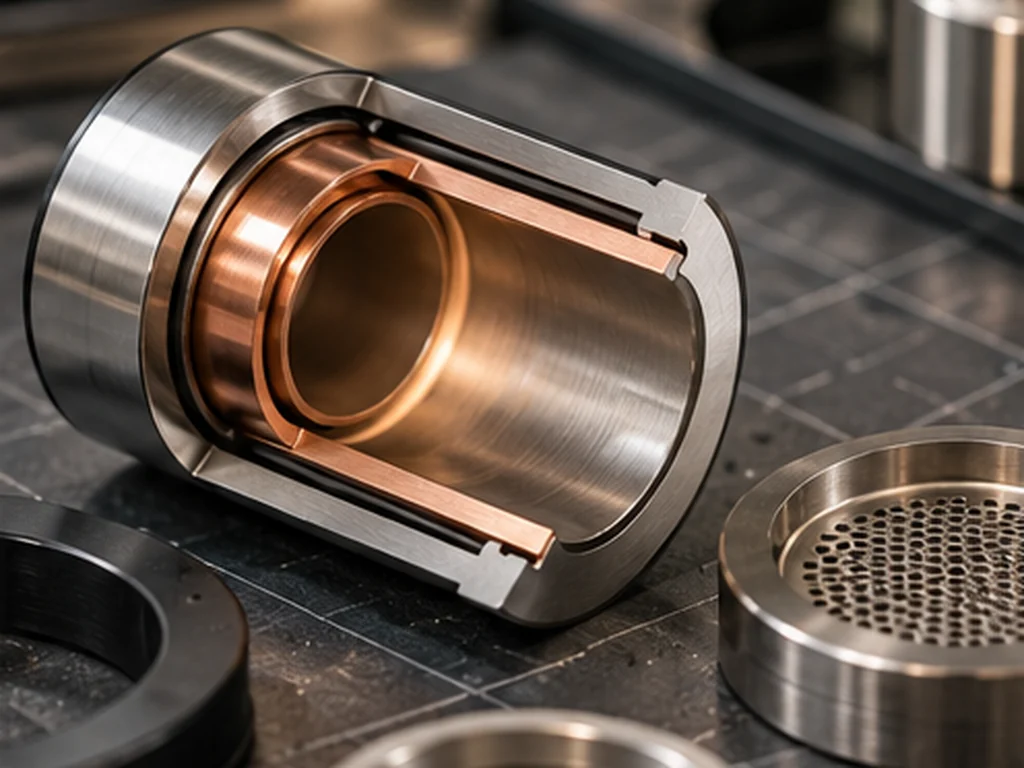
A wider chamber, a deep cup and a narrow cylindrical cavity present different areas and distances over which energy must travel. The mass of a metal wall influences how quickly it responds after power changes. Contact is also altered by screens, liners or other components specified by the manufacturer. Two devices labelled 'conduction' can therefore have different operating characteristics. The term identifies a dominant mechanism; it does not establish a universal heat-up time, energy efficiency or chemical outcome.
Contact, gaps and real-world temperature gradients
A chamber wall is not a perfect heat source. The surface may be hotter at its base than near its rim; an uneven load may touch one face and leave an air gap beside another. Engineers distinguish bulk material temperature from the local temperature at each point of contact. This matters because the displayed number may come from a sensor several millimetres away. A proper comparison would use repeated tests, matched starting conditions and temperature readings from more than one location. Chamber volume alone cannot tell you how evenly it heats.
Temperature is not a single number
A sensor may monitor a heater, the exterior of a chamber or a nearby structural part. A display reading is usually a control-related value rather than a survey of the entire material. When energy is drawn away by incoming air or a cooler replacement load, the sensor and material can respond at different rates. Engineers describe this behaviour in terms of thermal gradients and time constants. Claims of exact chamber uniformity should be supported by measurements at multiple positions and operating conditions.
What should readers take from a specification?
If documentation lists conduction heating, it is describing how energy is transferred, not an independently verified measure of performance. Look for explanations of sensor position, temperature accuracy and the conditions used for testing. Avoid inferring health or safety benefits from the heating label alone. For regulated equipment in Australia, intended purpose and permitted supply remain separate questions from its heat-transfer mechanism.
Why the surrounding assembly matters
Ceramic supports, metal sleeves and the outer housing all store and conduct heat. Adding thermal insulation can reduce heat escaping toward the case, while increasing the time needed to cool the internal assembly. Screens and liners also introduce interfaces where the resistance to heat flow changes. For these reasons, a manufacturer's 'conduction' label is a description of the design approach, not a guarantee that every part of the chamber reaches the same temperature at the same time.
Questions readers often ask
Does conduction require direct contact?
Conductive transfer occurs through physical contact between adjoining materials; heat can then spread through the material itself.
Is conduction temperature always constant?
No. The heater, chamber and load can have different temperatures, particularly during changes in operation.
Explore related engineering topics
- Vaporiser Technology & Engineering
- Convection vs Conduction: Engineering Differences
- What Happens Inside a Heating Chamber?
References and further reading
- NASA Glenn Research Center — Heat Transfer
- Therapeutic Goods Administration — Vapes: advertising and promotion
This guide explains engineering concepts, not the safety, emissions profile, legal classification or performance of a particular product.