
In this article
The underlying differenceA comparison of design variablesWhy the two processes coexistWhat is measurable?Avoiding a misleading conclusionComparing designs fairlyQuestions readers often askWhich system is safer?Can both mechanisms work at once?Explore related engineering topicsReferences and further readingRelated articles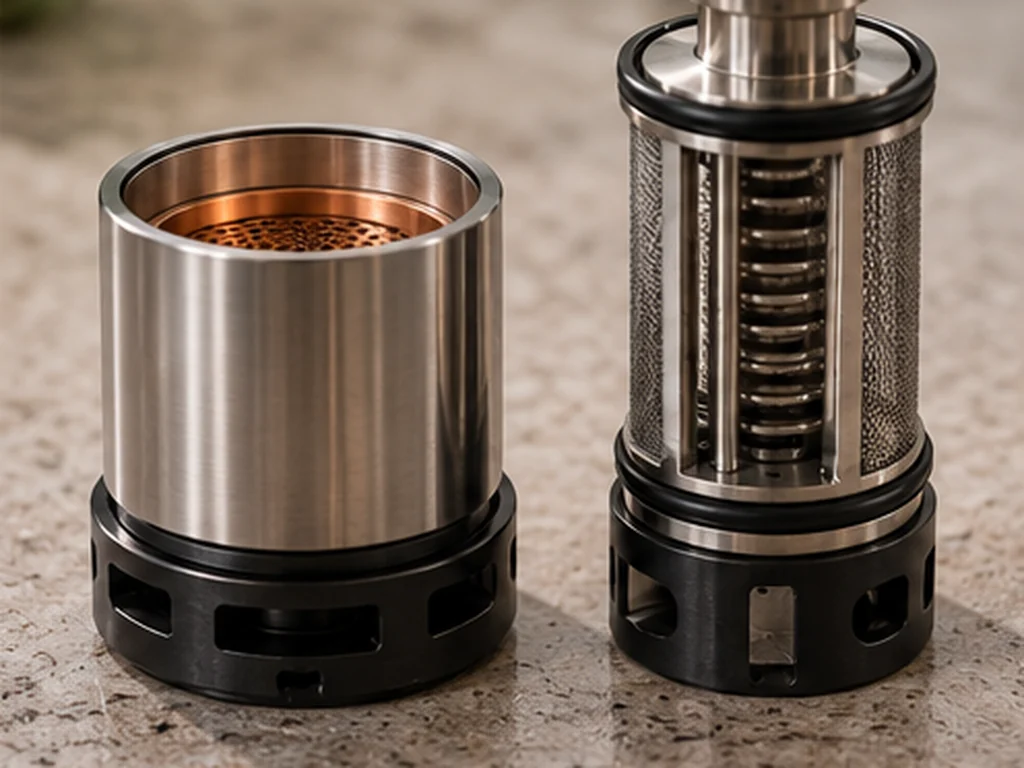
Conduction and convection describe two routes by which heat moves. They are frequently presented as competing product categories, yet many real systems combine both. A useful comparison starts with energy transfer, measurement conditions and device design rather than a simple winner.
The underlying difference
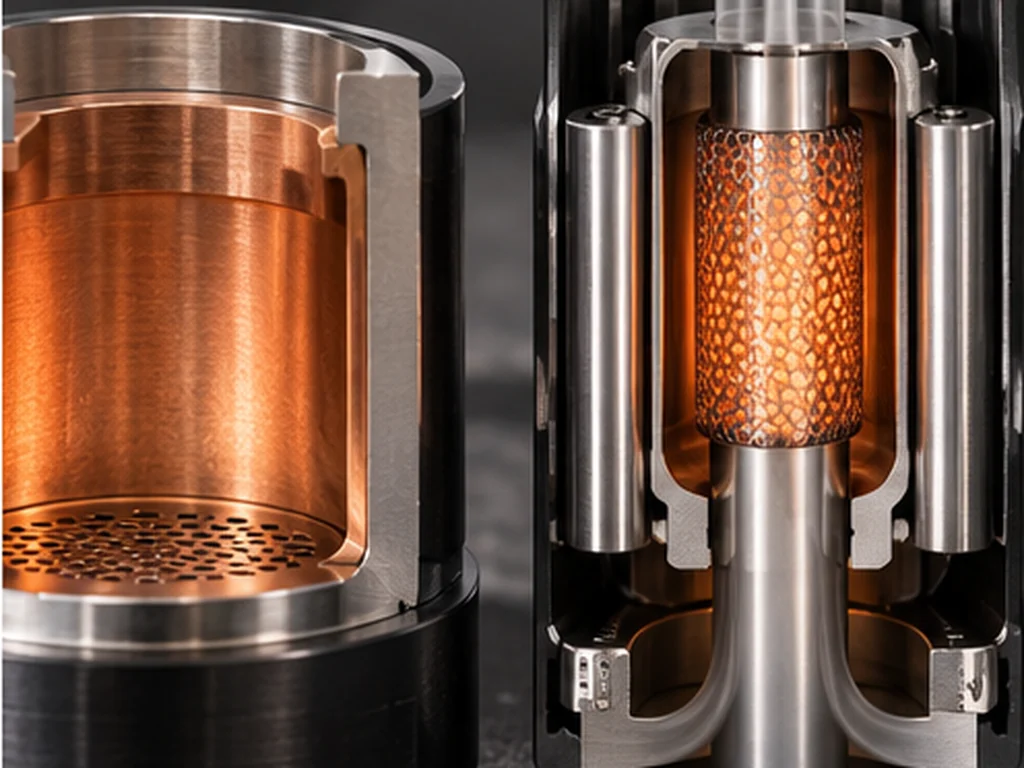
Conduction occurs when energy passes through materials in contact; convection involves energy carried by moving fluid. In a chamber, a heated wall can warm the material it touches while moving air brings energy to exposed surfaces. Radiation can also contribute to heat exchange. The proportion from each route depends on geometry, temperatures, surfaces and flow. This makes the terms useful engineering shorthand, but they cannot describe an entire system by themselves.
A comparison of design variables
Conduction-oriented devices place more emphasis on wall contact, chamber mass and the distance heat must travel into the load. Convection-oriented devices place more emphasis on heater location, airflow distribution and flow-dependent heat losses. Both require temperature regulation, insulation and suitable materials. A well-designed comparison should keep material, ambient conditions and measurement methodology consistent, and report observations without treating a marketing label as laboratory evidence.
Why the two processes coexist
Conduction and convection are idealised ways to describe energy transfer, not mutually exclusive product categories. Heated air still transfers energy to a metal wall; a wall warmed by contact also warms nearby air. Radiation contributes in hot assemblies. The important engineering question is which path dominates under stated conditions, not whether one is entirely absent. Design comparisons become misleading when an advertising term is treated as a laboratory measurement.
What is measurable?
Meaningful comparisons might include heat-up time to a defined test point, temperature variation under controlled airflow, pressure drop, energy consumption and thermal recovery after a disturbance. Measurement position matters: the heater sensor, outer shell and chamber interior are different locations. A single displayed setpoint or anecdotal impression cannot establish which method is more accurate. The intended purpose of a medical device also cannot be inferred from a thermal comparison.
Avoiding a misleading conclusion
Neither method automatically prevents the formation of unwanted constituents in an aerosol. Material composition, operating conditions and the entire flow path remain relevant. For people seeking to understand device engineering, focus on documented control architecture, test conditions and the manufacturer’s specific claims. For Australian supply and advertising questions, consult the separate regulatory information rather than treating this technical distinction as an endorsement.
Comparing designs fairly
Begin with the same test load, comparable starting temperature, matched airflow and comparable measurement locations. Record both the time course and steady readings. Without those controls, a device that appears faster may merely have a sensor nearer to the heater. A useful technical report also explains the uncertainty of each measurement and identifies exactly what a displayed temperature represents.
Questions readers often ask
Which system is safer?
The heating category alone does not establish safety; electrical safety, materials, emissions, intended purpose and evidence all matter.
Can both mechanisms work at once?
Yes. Most real heated systems transfer energy by more than one route.
Explore related engineering topics
- Vaporiser Technology & Engineering
- Conduction Heating in Vaporising Devices Explained
- Convection Heating in Vaporising Devices Explained
- Vaporiser Basics
References and further reading
- NASA Glenn Research Center — Heat Transfer
- IUPAC Gold Book — Aerosol
- Therapeutic Goods Administration — Vapes: advertising and promotion
This guide explains engineering concepts, not the safety, emissions profile, legal classification or performance of a particular product.