
In this article
The path of moving heatAirflow affects heat exchangeAir temperature is not chamber temperatureWhy the temperature may change dynamicallyReading 'convection' claims criticallyWhy flow restrictions change the processQuestions readers often askDoes a convection device also use conduction?Is high airflow always better?Explore related engineering topicsReferences and further readingRelated articles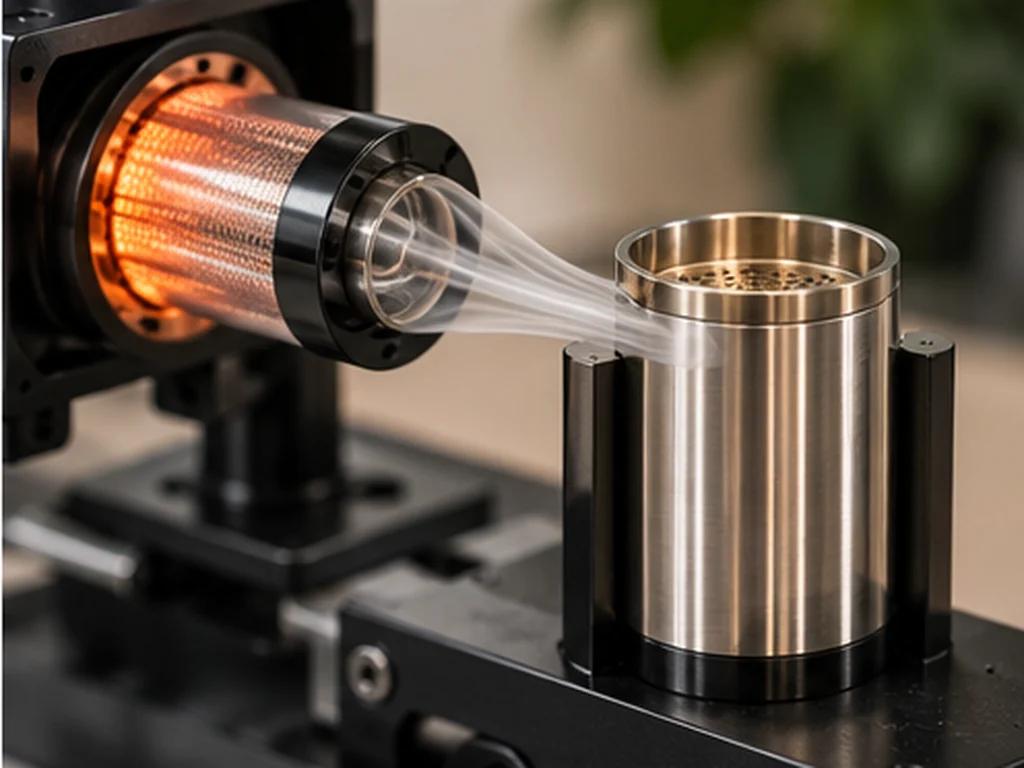
Convection heating uses moving air or another fluid to carry thermal energy to a material. In compact electronic devices this typically involves a heater upstream of a chamber, but the precise airflow route and heating strategy vary considerably by design.
The path of moving heat
A heater warms incoming air; the air then passes over or through a material and transfers some of its energy. The rate of transfer depends on the temperature of the air, the exposed surface area and the flow conditions. Air cools as it gives up energy and can also lose heat to chamber walls before reaching the material. For this reason, a device cannot be judged simply by the heater's nominal temperature.
Airflow affects heat exchange
Flow rate changes both the amount of warm air available and the time that air remains in contact with surfaces. A fast flow can bring more air through a chamber but may change the temperature of the heater assembly; a low flow can increase residence time while creating other thermal gradients. Filters, seals and bends also influence the flow. Engineers must assess heater power, flow and chamber geometry together rather than treating airflow as an unrelated feature.
Air temperature is not chamber temperature
In a convection-focused system, incoming air can be heated upstream of the material. That moving air then exchanges energy with surrounding walls and the load, losing or gaining heat along its journey. Its actual temperature at the material depends on inlet conditions, airflow rate and the heater's ability to replenish lost energy. A sensor attached to the heater cannot automatically report the air temperature at the outlet. The difference becomes especially important when comparing devices measured with different test methods.
Why the temperature may change dynamically
A controller can hold a sensor near its target while the air stream varies as the flow changes. Thermal inertia means that a heater cannot respond instantaneously to every disturbance. Some designs use additional sensing or control logic to compensate, but no label guarantees uniform heating under all conditions. In scientific testing, measurements should describe where air temperature was recorded and whether the device was tested with a representative load.
Reading 'convection' claims critically
Convection-oriented designs can also transfer some heat through contact with warm surfaces. 'Pure convection' is a commercial descriptor unless the manufacturer supplies a precise technical definition and evidence. The sensible question is not whether the word sounds advanced, but whether the device documentation explains the operating conditions, control method and limitations. No inference about inhalation safety follows from convection alone.
Why flow restrictions change the process
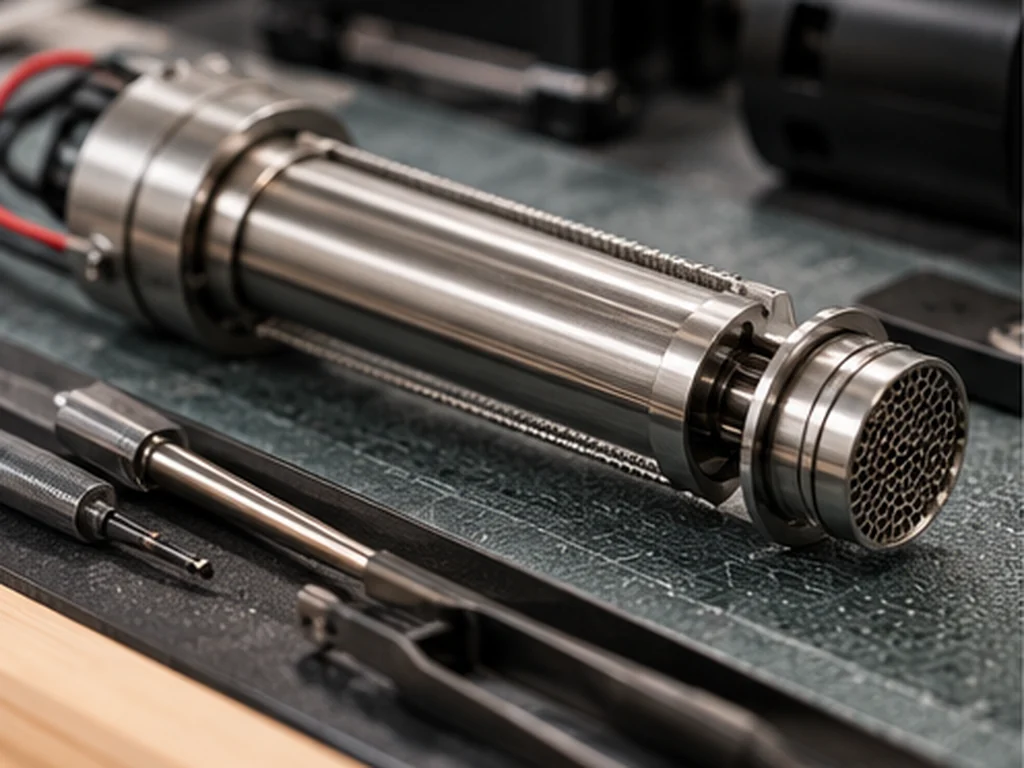
A mouthpiece, screen, bend or narrow passage introduces pressure loss. Greater resistance can alter the flow pattern for the same applied suction; changing flow changes residence time and heat exchange. An apparently simple glass or metal passage can therefore influence thermal behaviour. Engineering descriptions should separate observations about the air path from any claims about emissions, user experience or health outcomes, which require different evidence.
Questions readers often ask
Does a convection device also use conduction?
Often yes, because heated parts may contact chamber components or material; the dominant mechanism can still be convective.
Is high airflow always better?
No. Pressure drop, heater capability and thermal behaviour need to be considered together.
Explore related engineering topics
- Vaporiser Technology & Engineering
- Convection vs Conduction: Engineering Differences
- Airflow Path Design in Portable Devices
References and further reading
This guide explains engineering concepts, not the safety, emissions profile, legal classification or performance of a particular product.