
In this article
From sensor data to decisionsWhat an update can changeFirmware is a control layerSafety functions should not rely on one layerInterpreting 'precision control' marketingWhy software changes demand testingQuestions readers often askCan firmware repair a faulty temperature sensor?Why record firmware version during tests?Explore related engineering topicsReferences and further readingRelated articles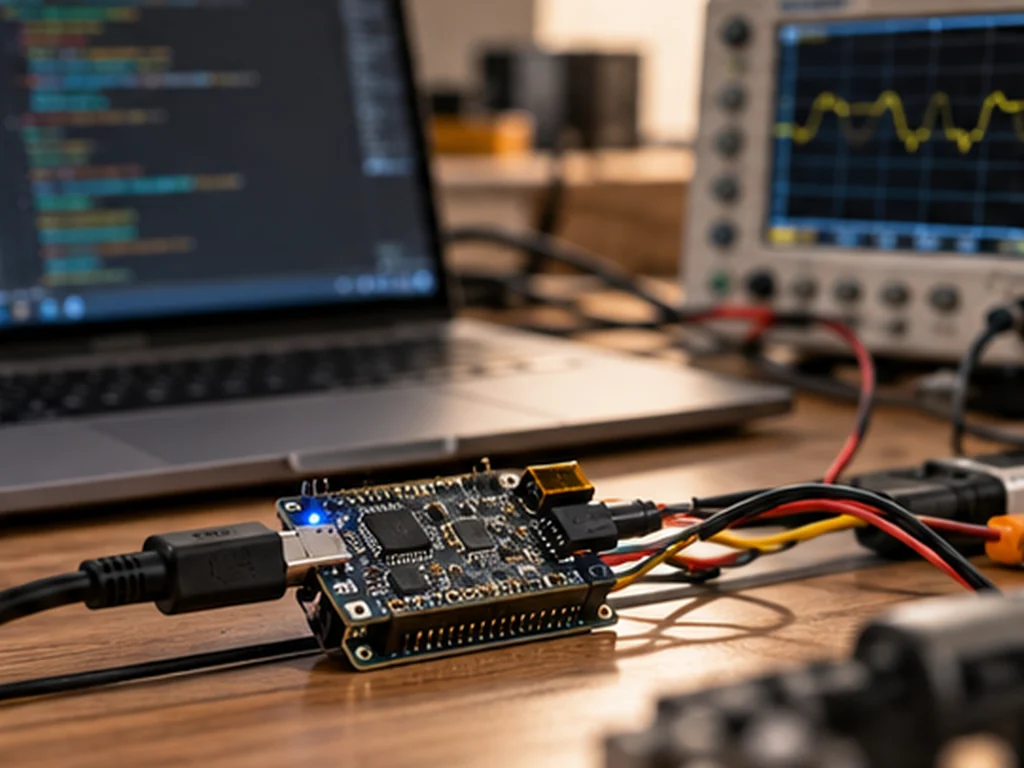
Firmware is the software running on a device's embedded controller. In a temperature-controlled heating system, it may interpret sensors, adjust electrical power, display status and respond to faults. This makes firmware an important part of performance, but not a substitute for adequate hardware protection.
From sensor data to decisions
The controller periodically reads electrical signals associated with temperature and other conditions. It compares those measurements with control targets and may adjust heater drive accordingly. The exact algorithm can range from relatively simple switching to more complex feedback control. Its update rate, filtering and response to disturbed airflow can affect how temperature changes through time. The controller's internal calculation still depends on the physical sensor's location and accuracy.
What an update can change
An authorised firmware update might adjust user-interface behaviour, control parameters, fault diagnostics or compatibility handling. Such changes may alter measured performance or correct defects. However, update notes rarely provide a complete laboratory characterisation of the device. A firmware version is therefore a relevant part of a test record: two identical-looking units may behave differently if their authorised software differs.
Firmware is a control layer
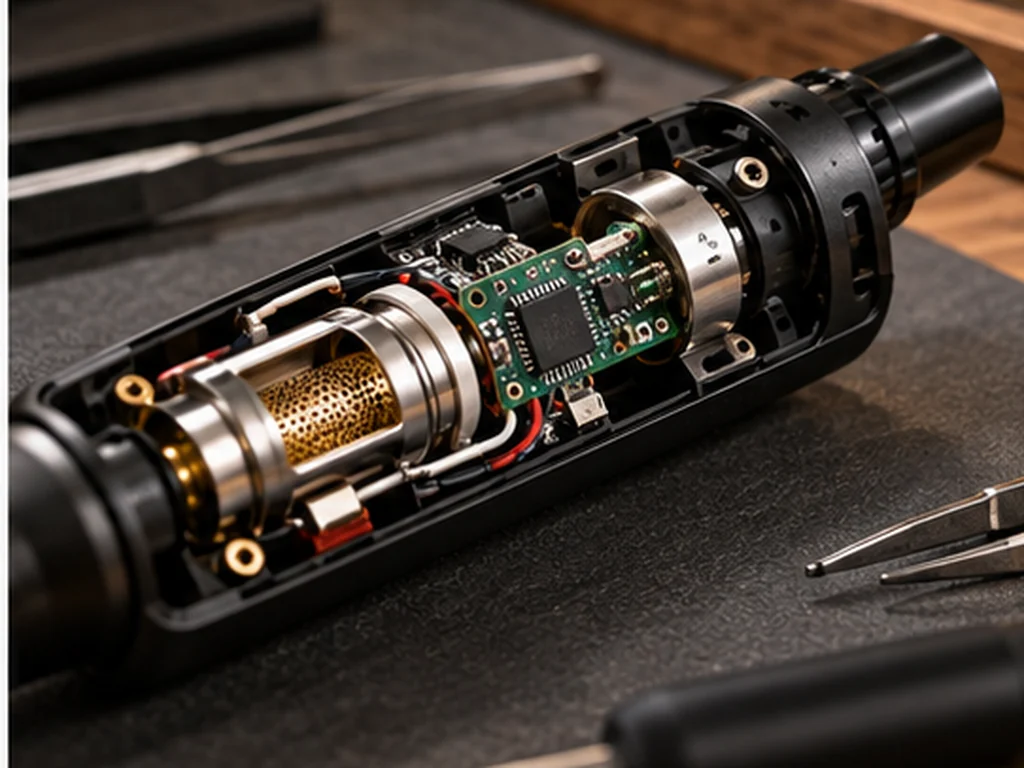
Firmware reads sensors, sets the power command, manages user inputs and decides what happens if readings fall outside expected ranges. It may implement proportional, integral or other control methods, but the precise code in a commercial device is rarely public. Two products with similar heaters can respond differently because firmware tuning and timing differ. A control-loop diagram is therefore only an explanatory model unless the manufacturer supplies the actual logic.
Safety functions should not rely on one layer
Protective designs can combine firmware detection with independent electrical protections, thermal cut-offs and hardware limits. Firmware may detect unusual readings, but software can fail, lose power or receive inaccurate sensor data. Engineers assess failure modes and design multiple safeguards when appropriate. Users should not bypass temperature limits, install unofficial firmware or alter protective logic.
Interpreting 'precision control' marketing
Precision depends on the measurement system, actuator, control scheme, operating conditions and verification tests. A software feature list is not evidence of uniform chamber temperature. Where a device is regulated for medical use, authorised software and any approved changes are part of the relevant device configuration.
Why software changes demand testing
An update can alter a temperature estimator or how quickly the heater responds. Verifying a change involves checking expected operation and fault handling under representative conditions, including low battery and blocked airflow. Software should not be used to bypass thermal safeguards or modify operating parameters beyond documented limits. Published performance claims should identify the hardware and firmware versions tested.
Questions readers often ask
Can firmware repair a faulty temperature sensor?
Software may detect some faults but cannot reliably restore a physically damaged sensor.
Why record firmware version during tests?
Because control behaviour and diagnostics can change between authorised releases.
Explore related engineering topics
- Vaporiser Technology & Engineering
- How Vaporiser Temperature Control Works
- Thermal Cut-off and Overtemperature Protection
References and further reading
- Analog Devices — Temperature sensing engineering resources
- Texas Instruments — Battery management integrated circuits
- UL Standards — UL 8139 scope
This guide explains engineering concepts, not the safety, emissions profile, legal classification or performance of a particular product.