
In this article
Operating control versus protective actionExamples of different protection approachesProtection layers address different failuresWhy a shut-off feature is not a guaranteeWhat users should do with warning signsTesting fault responsesQuestions readers often askIs automatic shut-off the same as thermal protection?Can a temperature cut-off guarantee safe inhalation?Explore related engineering topicsReferences and further readingRelated articles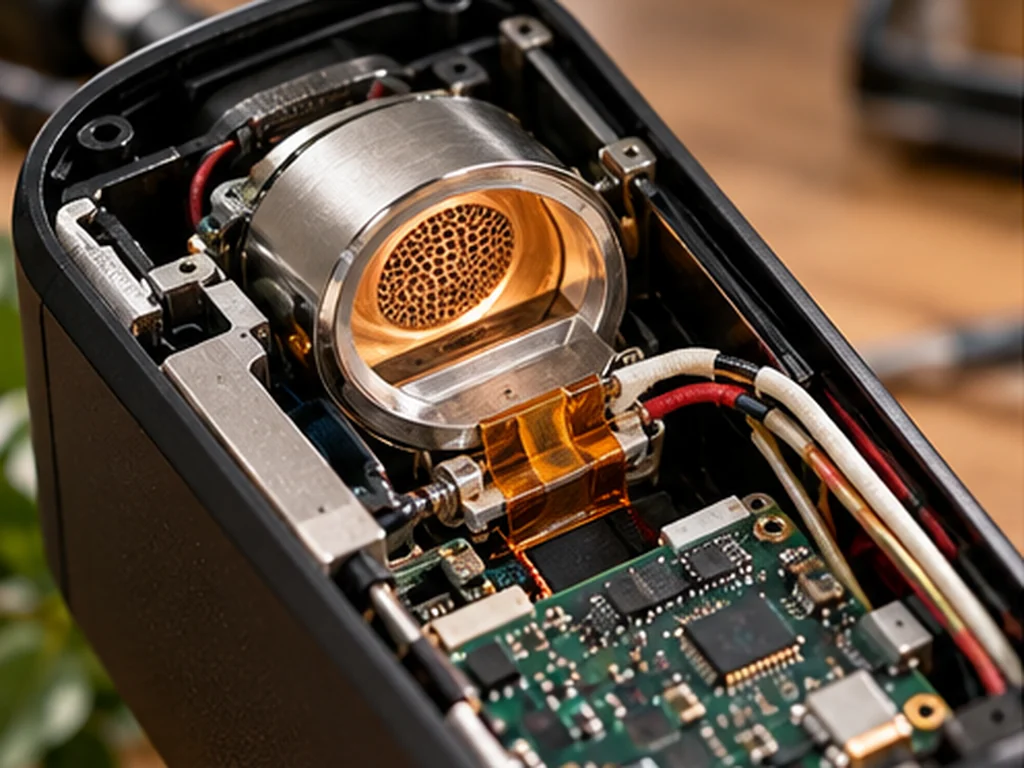
Overtemperature protection is designed to respond when a heating device exceeds defined thermal limits or shows an abnormal condition. It is distinct from ordinary temperature regulation: control aims to maintain an operating target, while protection aims to reduce the consequences of faults.
Operating control versus protective action
A controller normally regulates heat around a target. A protective function may intervene at a separate threshold, restrict power or shut off the heater. The threshold can relate to a heater, enclosure, battery or other component. The location matters because different regions can experience different temperatures. A limit measured near a battery does not necessarily represent the exact condition of the chamber.
Examples of different protection approaches
Electronic sensors and controllers can detect out-of-range readings. Thermal fuses, cut-outs or other protective components may provide additional pathways for interrupting power. The appropriate design depends on the potential hazards and applicable standards. Safety systems must consider failed sensors, blocked airflow, damaged connections and unusual supply conditions, not just a normal heating cycle.
Protection layers address different failures
A thermal cut-off may be a non-resettable fuse, a resettable sensor-driven shutdown or another safety mechanism. These layers respond to particular conditions. For example, a sensor attached near the heater may respond before a distant battery warms, while a fuse triggers only at its own location. Protection should therefore be evaluated as an entire design, including component failure and wiring paths, not inferred from one visible sensor.
Why a shut-off feature is not a guarantee
A timed auto-off feature may be intended for convenience or energy management rather than overtemperature fault protection. A device can also have safety circuitry without an obvious user-facing indicator. Conversely, marketing the presence of a 'smart safety system' does not document its reliability or independent validation. Design assessments consider how the system behaves when individual components fail.
What users should do with warning signs
If a device becomes abnormally hot, emits unusual odours, shows battery swelling or presents an electrical fault, stop using it and follow the manufacturer's safety instructions. Do not reset, modify or bypass protective parts as a workaround. A professional service assessment may be needed. Claims of electrical protection should be read separately from claims about aerosol composition.
Testing fault responses
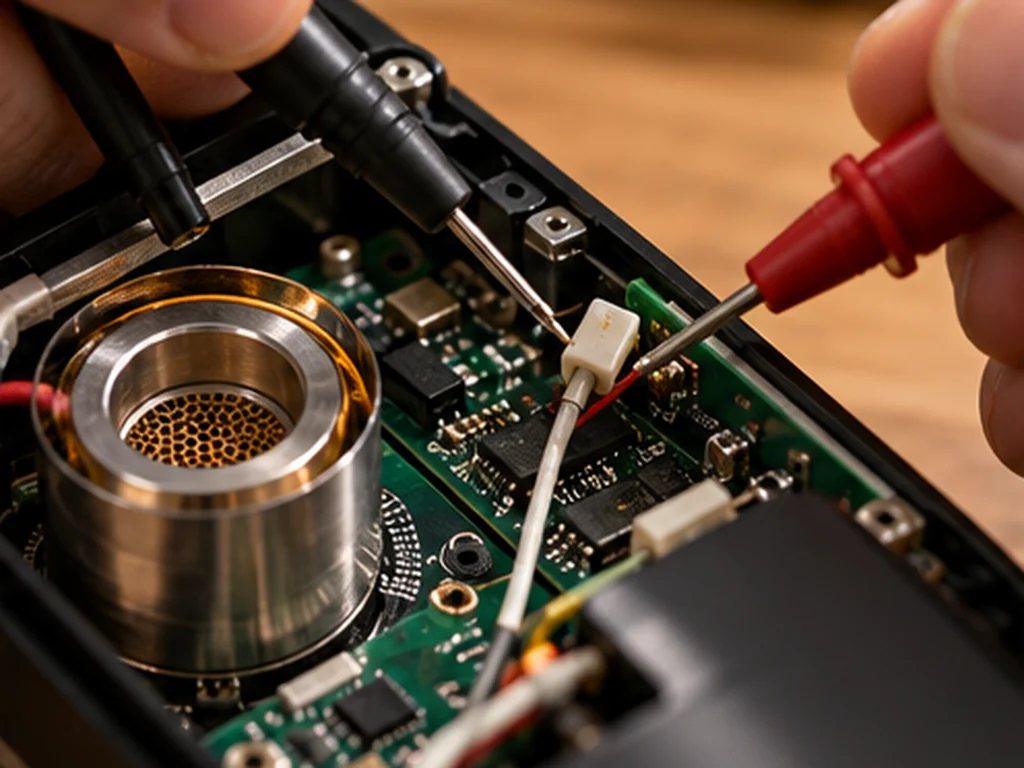
Engineers check normal temperature control separately from abnormal conditions such as restricted airflow, stuck switching components or sensor failure. Tests must be performed safely by qualified personnel using appropriate fixtures. An ordinary user should not attempt to defeat interlocks or reproduce overheating faults. If a product behaves unusually or emits an unexpected smell, stop using it and follow the manufacturer's advice.
Questions readers often ask
Is automatic shut-off the same as thermal protection?
Not necessarily. It can be a timer rather than a fault-triggered temperature safety function.
Can a temperature cut-off guarantee safe inhalation?
No. It targets a thermal or electrical hazard, not the chemical safety of emissions.
Explore related engineering topics
- Vaporiser Technology & Engineering
- Battery Management Systems in Portable Electronics
- How Firmware Controls Heating Performance
- Safety & Maintenance
References and further reading
- UL Standards — UL 8139 scope
- Texas Instruments — Battery management integrated circuits
- US Consumer Product Safety Commission — Batteries
This guide explains engineering concepts, not the safety, emissions profile, legal classification or performance of a particular product.