
In this article
What makes a system hybrid?Why proportions can varyHybrid is a broad labelHow engineers assess hybrid behaviourWhat the term does not implyUseful construction detailsQuestions readers often askIs hybrid the same as more powerful?Are hybrid devices necessarily more consistent?Explore related engineering topicsReferences and further readingRelated articles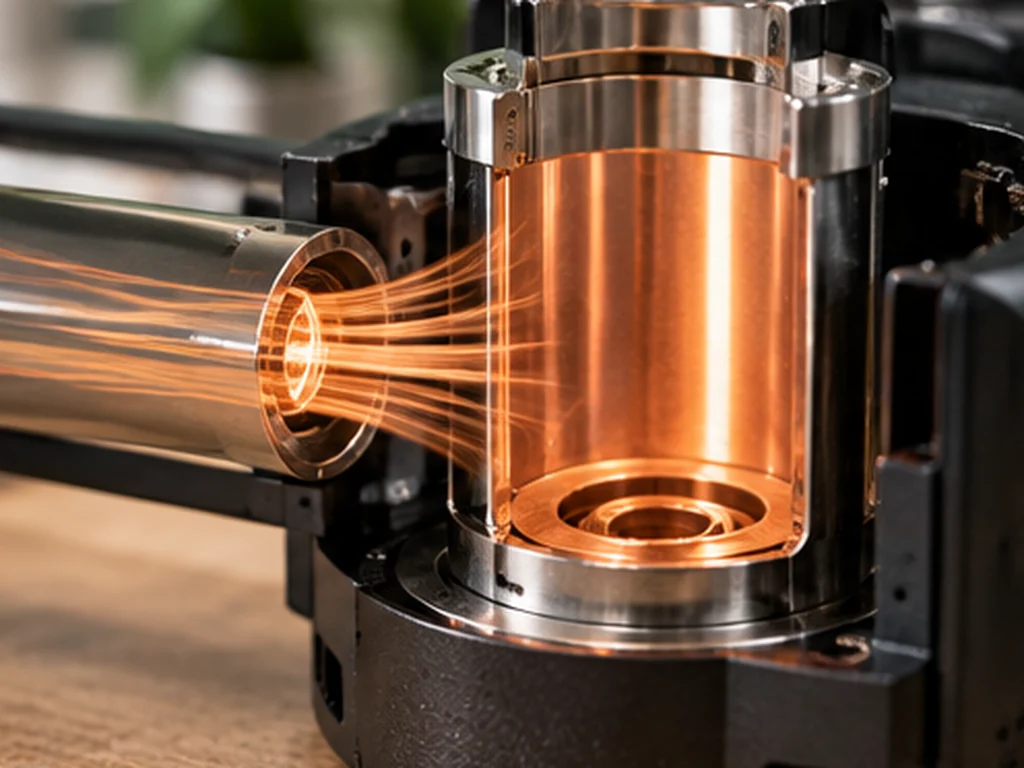
Hybrid heating is an engineering description for systems in which more than one heat-transfer mechanism makes a meaningful contribution. For vaporising equipment, the phrase often refers to warm chamber surfaces acting together with heated airflow.
What makes a system hybrid?
Air passing over a heater can transfer energy by convection while nearby walls become warm and transfer energy by conduction. Even equipment advertised as one category typically exhibits other forms of heat movement. In a hybrid-oriented design, the manufacturer deliberately makes use of multiple pathways. The label does not specify a standard ratio of conduction to convection, and that ratio can change through a heating cycle or as airflow changes.
Why proportions can vary
Contact area, chamber materials, insulating layers and airflow all influence the route taken by heat. A warmed chamber might contribute more after operating for a while than immediately after power-up. As the load changes temperature, the direction and magnitude of local heat transfer may change too. Consequently, claims such as 'mostly convection' are best understood as design descriptions unless test data and a defined measurement method are provided.
Hybrid is a broad label
Hybrid heating normally means an engineered combination of direct contact and moving heated air. The proportions can change during warm-up and operation. A heavy metal chamber may dominate while the device warms, whereas air temperature and flow may matter more after the heater is stabilised. There is no standard percentage of convection that turns a device into 'hybrid'. A specification should explain the physical arrangement and control strategy rather than relying on the word alone.
How engineers assess hybrid behaviour
A rigorous assessment can use thermocouples at multiple locations, controlled airflow, power measurements and thermal modelling. The goal is to separate wall-mediated transfer from energy carried by moving air. Results depend on the test conditions and assumptions. A photo of a heater or a brand's product page cannot by itself verify a particular percentage. When reviewing product literature, ask how a claimed operating characteristic was measured.
What the term does not imply
Hybrid is not a medical classification, an emissions standard or a promise of superior performance. The equipment still requires suitable materials, controls and electrical protection. Australian regulatory obligations depend on the goods and their intended use, not whether the manufacturer calls a heating arrangement hybrid.
Useful construction details
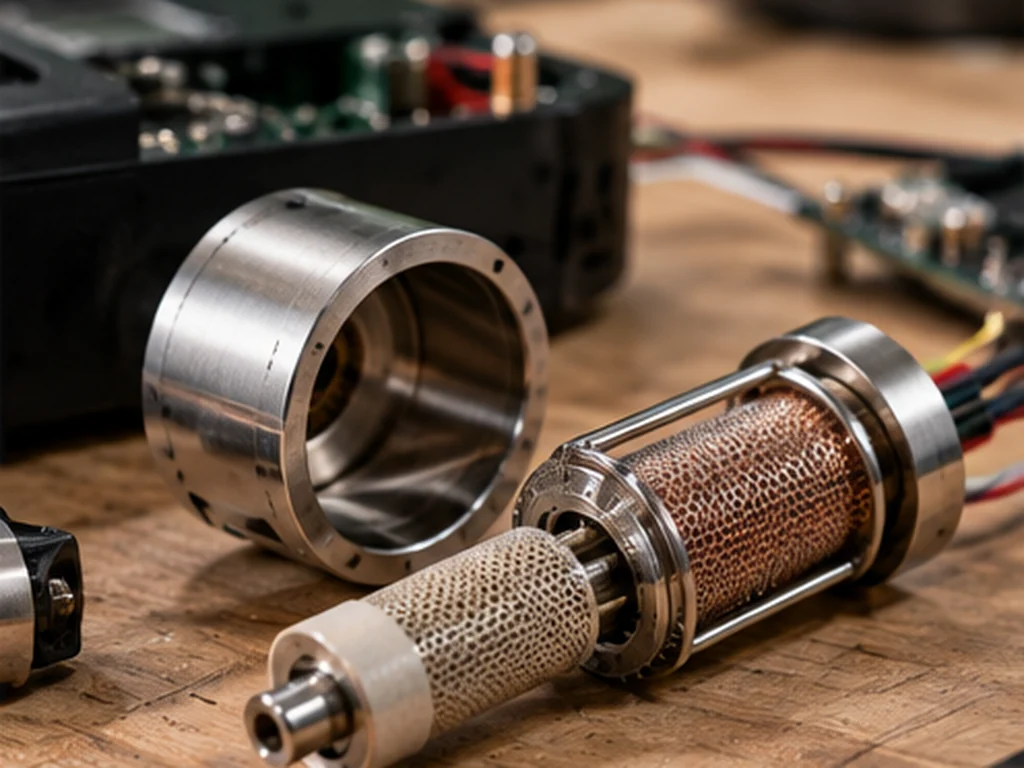
Inspect where the element sits, whether air is heated before entering the chamber, where the thermistor sits and how the chamber is supported. A diagram of those relationships often explains more than a broad category label. If a maker reports performance, look for recorded airflow, thermal load, power conditions and method. A visual cross-section is still illustrative unless it comes from the actual manufacturer.
Questions readers often ask
Is hybrid the same as more powerful?
No. Hybrid describes modes of heat transfer, not the maximum power of a heater.
Are hybrid devices necessarily more consistent?
No. Consistency must be measured in defined conditions rather than inferred from a label.
Explore related engineering topics
- Vaporiser Technology & Engineering
- Convection vs Conduction: Engineering Differences
- How Heating Elements Transfer Energy
References and further reading
- NASA Glenn Research Center — Heat Transfer
- Therapeutic Goods Administration — Vapes: advertising and promotion
This guide explains engineering concepts, not the safety, emissions profile, legal classification or performance of a particular product.